
Lawn
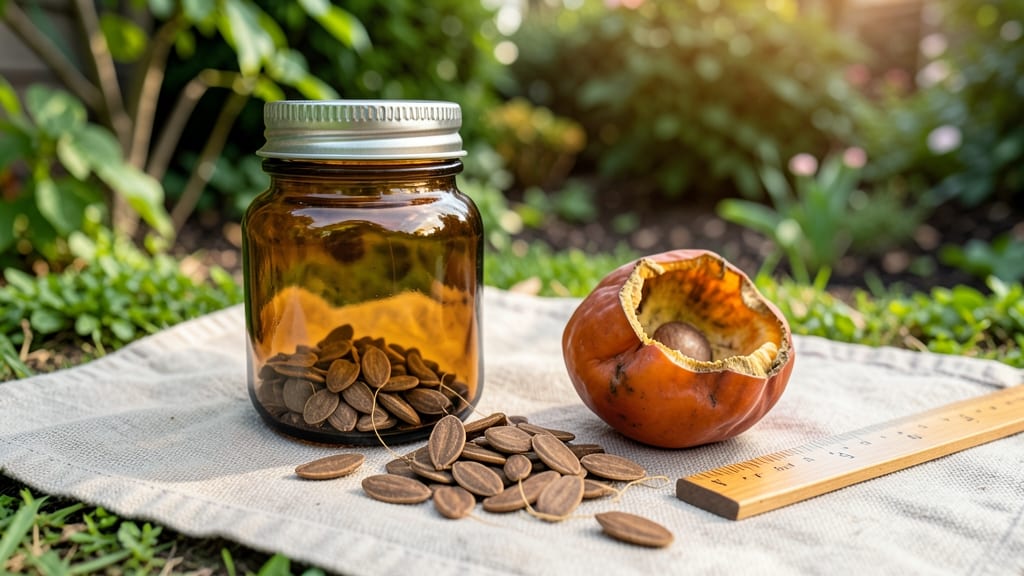
Cold-stratifying persimmon seeds unlocks next year’s trees before spring arrives. ✨ I’ve watched those hard little seeds transform from dormant to eager little sprouts—all because of a winter trick that mimics nature’s timing.
The key? A simple cold treatment that breaks their stubborn rest period so they’ll germinate reliably when planted.
Here’s the deal: persimmons need 60-90 days of cold, moist conditions to germinate properly. Without it, you’re left with seeds that either rot in the soil or take forever to sprout. I use a ziplock bag with damp sphagnum moss and store it in the fridge—no fancy equipment needed.
Most gardeners skip this step and end up disappointed when nothing happens in spring.
By March, those seeds will be ready to plant. You’ll see tiny roots peeking out, and when you pop them into the ground, they’ll establish faster than store-bought seedlings. The payoff? Trees that fruit in 3-5 years instead of struggling to break dormancy year after year.
Works for gardeners in USDA zones 5-8—just adjust timing based on your last frost date. Northern gardeners can even plant stratified seeds directly outdoors in early spring. Let’s get those seeds ready for their big debut!
📚 In This Guide
- What you need
- Instructions
- Tips and common mistakes
- Wrapping up and next steps
What you need
- ● Persimmon seeds: 10–20 fresh, firm seeds (harvested from ripe, fully colored persimmons). Pro tip: 💡 Store seeds in a cool, dry place for 1–2 weeks before stratification to mimic natural drying.
- ● Stratification medium: Option 1: 1–2 cups of moistened peat moss or coco coir (maintain dampness, not soggy).
- ● Option 2: 1–2 cups of sand and perlite mix (50/50 ratio) for better drainage.
- ● Storage container: A small, airtight plastic bag or glass jar with a lid (8–12 oz capacity).
- ● Refrigerator or cold frame: Space for 3–4 months of cold storage (34–40°F / 1–4°C).
- ● Small hand trowel or spoon for gently placing seeds in the medium.
- ● Spray bottle to mist the stratification mix (keeps it evenly moist).
- ● Labeling tape and marker to tag your container with the seed type and date.
- ○ Thermometer (optional) to monitor fridge temperature if unsure.
- ● Patience! Stratification takes 90–120 days—plan ahead for spring planting.
- ● A sunny outdoor spot or greenhouse ready for transplanting after stratification.
- ● Basic knowledge of seedling care (light, water, and warmth post-stratification).
Step-by-step instructions for cold-stratifying persimmon seeds
Here's how to maximize germination rates by mimicking nature's winter dormancy cycle.
🌱 Step 1: Extract and Clean the Seeds
Collect ripe persimmon seeds from fully colored, soft fruit—unripe seeds won't stratify properly. Scoop them out and rinse off any remaining pulp under cool water. I like to spread them on a paper towel to air-dry for 24 hours at room temperature. This prevents mold while preserving viability.
Check for any seeds with cracks or soft spots—these won't survive stratification. Healthy seeds feel firm and plump. Store the dried seeds in a paper envelope (not plastic) in a cool, dry place until you're ready to stratify. The key here is patience: persimmon seeds need 3-4 months of cold treatment, so plan ahead.
❄️ Step 2: Prepare the Cold Stratification Mix
Fill a container with drainage holes (like a seedling tray) with a moistened mix of 70% perlite and 30% coarse sand. This combination drains well while retaining enough moisture to simulate winter soil conditions. I use a spray bottle to dampen the mix until it feels like a wrung-out sponge—not soggy, just consistently moist.
Place the container in a refrigerator (not freezer) where temperatures stay between 35-45°F. This mimics the natural winter chill persimmon seeds experience in their native habitats. I mark the container with the date to track the 12-week minimum required for breaking dormancy.
🌱 Step 3: Plant and Monitor During Stratification
Space the seeds 1 inch apart in the mix, pressing them in just deep enough to cover completely. The goal is to keep them buried but not compacted—persimmon seeds need airflow around them. Cover the container with a breathable cloth (like cheesecloth) to maintain humidity without trapping condensation.
Check the mix every 2 weeks—it should never dry out completely, but don't let it sit in standing water. If the surface feels dry to the touch, mist lightly with water. You won't see any growth yet, but the seeds are actively preparing internally. This is where persistence pays off: some seeds may take up to 6 months to fully stratify.
☀️ Step 4: Transition to Warm Germination
After the 12-week minimum, remove the container from cold storage and place it in a warm, bright spot (around 70°F). I use a seedling heat mat set to 75°F for the first week to encourage consistent germination. Keep the mix moist but not waterlogged—persimmon seeds are sensitive to overwatering at this stage.
Germination can take 2-6 weeks after removing from cold. You'll know it's working when you see the first green cotyledons pushing through the soil. At this point, transplant each seedling into its own 3-inch pot with fresh potting mix. The seedlings are delicate, so handle them by the leaves, not the stems.
🌿 Step 5: Harden Off for Outdoor Planting
Once seedlings have 3-4 true leaves (not just the initial cotyledons), begin hardening them off. Place them outdoors in partial shade for 1-2 hours the first day, gradually increasing to full sun exposure over 10-14 days. This slow acclimation prevents transplant shock and helps the young plants develop stronger cell walls.
Persimmon seedlings grow slowly at first, so don't rush them. Plant outdoors after the last frost date in a location with full sun and well-draining soil. The first year is about establishing roots—you won't see flowers or fruit for 3-5 years, but proper stratification now ensures you'll have a productive tree later. That's the beauty of patience in gardening.
Tips & tricks for perfect persimmon seed stratification
Here's what nobody tells you about getting those persimmon seeds ready for spring planting.
Seed Selection Matters: The 24-hour drying period is your first quality control step—don't rush it! Spread seeds on a paper towel in a single layer to prevent moisture trapping. I've learned the hard way that damp seeds develop mold during the 3-4 month cold treatment. Also, prioritize seeds from fully ripe fruit—they're the only ones with the energy reserves needed for successful stratification.
Temperature Precision: Those refrigerator temps between 35-45°F are critical—don't let them creep higher. I place my seedling tray on the middle shelf of my fridge, not the crisper drawer (which can get too cold). If your fridge runs hot, consider a dedicated seed stratification fridge or use a cool basement. The goal is to mimic nature's gradual winter chill without freezing.
Moisture Balance: The "wrung-out sponge" texture in your mix should stay consistent throughout the 12-week period. I use a spray bottle to check moisture weekly—if the top inch feels dry, mist lightly. Overwatering is worse than underwatering; persimmon seeds rot in soggy conditions. The breathable cloth covering prevents evaporation while allowing airflow, which is essential for preventing fungal growth.
Patience Pays Off: The up-to-6-month stratification window is non-negotiable for some seeds. I mark my calendar with the start date and set reminders every 4 weeks to check moisture. Remember, you're not just storing seeds—you're breaking dormancy through a carefully controlled cold period that nature would normally provide over winter.
Pro Tips for Persimmon Seed Winter
- Here's what nobody tells you about getting those persimmon seeds ready for spring planting.
- Seed Selection Matters: The 24-hour drying period is your first quality control step—don't rush it!
- Temperature Precision: Those refrigerator temps between 35-45°F are critical—don't let them creep higher.
Frequently asked questions
Got questions about storing persimmon seeds over winter?
You’re not alone! Here are answers to the most common queries—from timing to troubleshooting—to help you maximize seed viability for next year’s fruit trees.
When is the best time to harvest persimmon seeds for winter storage?
Harvest seeds from fully ripe, soft persimmon fruits (like Fuyu or Hachiya varieties) in late fall—typically October to December, depending on your climate. Wait until the fruit is completely soft (not firm) to ensure seeds are mature and ready for stratification. Avoid seeds from unripe or overripe fruit, as they may not germinate well.
How long should I cold-stratify persimmon seeds before planting?
Cold-stratify persimmon seeds for 60–90 days in a moist medium (like peat moss or a damp paper towel) at 35–45°F (2–7°C). This mimics winter conditions and breaks dormancy. Place them in a sealed bag or container in your fridge’s crisper drawer. Pro tip: Label your seeds with the harvest date to track stratification time!
What if my persimmon seeds mold or rot during storage?
Mold or rot usually means too much moisture or poor airflow. If you spot fuzzy growth, remove affected seeds immediately. To prevent this, ensure your storage medium is damp (not soggy) and use a breathable container (like a mesh bag). If seeds smell off or look slimy, discard them—they won’t germinate.
Can I store persimmon seeds in the freezer instead of the fridge?
Yes, but with caution! Freezing can work for short-term storage (up to 3 months), but long-term viability is better in a fridge. If using a freezer, wrap seeds in a damp paper towel, seal in a zip-top bag, and thaw in the fridge before planting. Avoid freeze-thaw cycles, as they can damage the seed coat. For best results, stick with fridge stratification.
How do I know if my stored seeds are still viable after winter?
Test viability by placing a few seeds in warm water for 24 hours. If they sink (not float), they’re likely still good. For a quick germination check, plant 3–5 seeds in moist potting mix and keep them warm (70–75°F). If 50% or more sprout within 2–3 weeks, your batch is viable. If not, try fresh seeds or adjust your stratification method.
Wrapping up and next steps
Mastering the art of persimmon seed winter storage ensures your garden will burst with vibrant blooms next spring! 🌱 By following cold stratification—whether through refrigerator chilling or outdoor burial—you’re giving those tiny seeds the best shot at life.
Don’t let winter waste their potential; plant with confidence and watch your efforts pay off in lush, healthy growth.
Ready to take the next step? Start small—try storing just a few seeds this season, then expand as you gain confidence. Happy gardening! 🌿