
Lawn
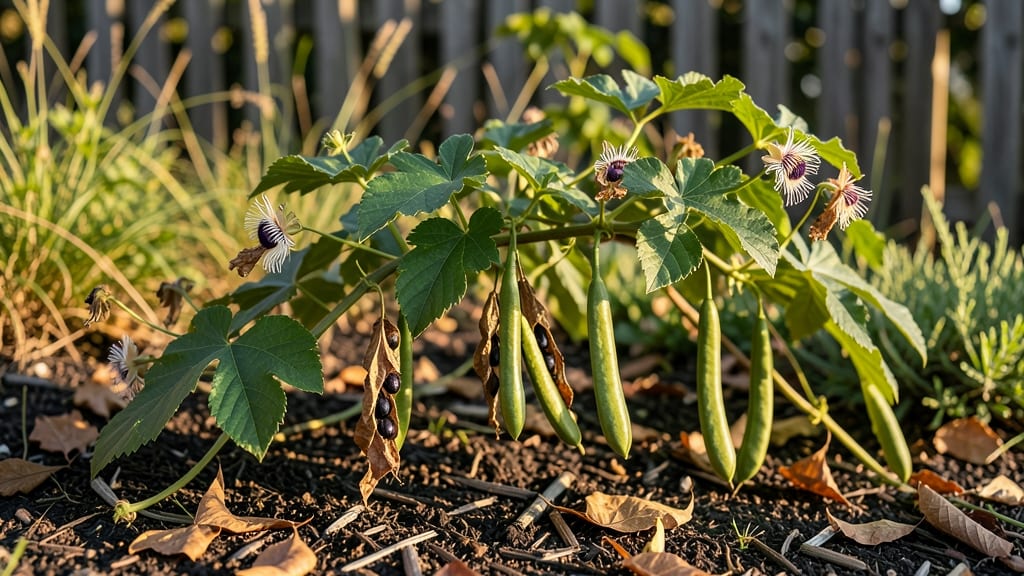
Harvesting passion flower seed pods turns a summer chore into next year’s garden treasure. 🌿 The secret to reliable germination starts with knowing exactly when to collect those papery pods—before they split open and scatter seeds everywhere.
I’ve learned that patience here pays off: waiting for the pods to turn completely brown ensures the seeds inside are fully mature and ready to sprout.
Once you’ve got them, cleaning the seeds is simpler than you’d think. Just crack open the dried pods (a pair of scissors works great) and scoop out the black, wrinkled seeds—no fancy tools needed.
Store them in a cool, dry place until planting, and you’ll avoid the frustration of dealing with seeds that won’t germinate because they weren’t ready. The key is timing: harvest too early, and the seeds won’t break dormancy; wait too long, and you risk losing them to wildlife.
Germination itself is where the magic happens. Plant the seeds just below the soil surface in well-draining mix, keep it moist but not soggy, and within 2-4 weeks, you’ll see those first tiny shoots pushing through.
The biggest challenge? Dormancy—some seeds need a cold snap to wake up, so a quick fridge stint (stratification) can boost success rates. With the right care, you’ll have lush passionflower vines thriving in no time.
This method works for both gardeners with sprawling yards and those growing in containers. The payoff? Homegrown passionflowers that bloom with vibrant colors and attract hummingbirds all season. Here’s how to make it foolproof—no green thumb required.
📚 In This Guide
- What you need
- Instructions
- Tips and common mistakes
- Wrapping up and next steps
What you need
- ● Mature passion flower seed pods: 5–10 fully ripe pods (turning brown and slightly papery). Pro tip: Harvest them when they open naturally or gently twist them off the vine!
- ● Pruning shears or sharp scissors: 1 pair (sterilized with rubbing alcohol to prevent disease).
- ● Paper towels or newspaper: 2–3 sheets (for drying seeds).
- ● Small paper bags or envelopes: 3–5 (for seed storage).
- ● Labeling markers or tags: 1 (to track seed varieties).
- ● Plastic zip-top bags or airtight containers: 1–2 (for long-term seed storage).
- ● Potting soil or seed-starting mix: 1 small bag (sterile, well-draining).
- ● Seed trays or small pots: 3–6 (2–3 inches deep).
- ● Spray bottle with water: 1 (for gentle misting).
- ○ Optional: Humidity dome or plastic wrap (to retain moisture during germination).
- ● Timing: Harvest pods in late summer to early fall when they’re fully mature but still slightly firm.
- ● Location: A well-ventilated, dry area (like a garage or shed) for seed drying.
- ● Temperature: Store seeds in a cool, dark place (60–70°F) for best viability.
- ○ Optional: Grow lights (if starting seeds indoors before the last frost).
How to harvest passion flower seed pods for successful germination
Here’s my foolproof method for collecting, drying, and storing passion flower seeds—guaranteed to beat the rush before pods shatter.
🌿 Step 1: Identify and Harvest Mature Seed Pods
Passion flower seed pods turn from vibrant green to a papery brown when ready—this usually happens 4-6 weeks after flowering. Gently twist the pod from the vine while wearing gloves (the spines can be sharp!). I harvest in the morning when the pods are firm and dry to the touch, ensuring maximum seed viability.
Look for pods that feel lightweight but not hollow—if they rattle when shaken, they’re past their prime. Avoid harvesting pods that still have green patches or feel soft, as the seeds inside won’t be fully developed. A pair of pruning shears works too, but I prefer twisting to avoid damaging the vine.
⏰ Step 2: Dry the Pods Properly for Easy Seed Extraction
Spread the harvested pods in a single layer on a paper towel-lined tray in a warm, dry, shaded spot (think 70-75°F). Avoid direct sunlight—it can cause the pods to overheat and crack prematurely. I place mine on a screened porch or under a shelf where airflow circulates but rain won’t reach them.
Drying takes 7-10 days, depending on humidity. You’ll know they’re ready when the pods split open easily with a gentle squeeze and the seeds inside look plump and dark brown. If mold appears or the pods smell musty, dry them in a dehumidifier or move them to a warmer spot until fully dry.
🪴 Step 3: Extract and Clean the Seeds
Once dry, hold the pod over a clean white bowl (the seeds will be easy to spot against the light color) and gently crush it with your fingers. The seeds will pop out—some may still be attached to fibrous pulp. I use a fine-mesh strainer to rinse the seeds under lukewarm water while swirling gently to remove any remaining debris.
Lay the cleaned seeds on a paper towel to air-dry for 24 hours. This step is critical—wet seeds stored in airtight containers will mold. Once completely dry, they’ll feel slightly waxy to the touch and have a smooth, polished look. Store them in a paper envelope in a cool, dark place for up to 6 months—they’ll stay viable for germination.
🌱 Step 4: Test Germination Before Planting
Before sowing, I test a few seeds to confirm viability. Place 5-10 seeds between two damp paper towels in a ziplock bag (leave it slightly open for airflow). Seal and store in a warm spot (75-80°F). Check daily—germination usually occurs in 14-21 days. If none sprout after 30 days, the remaining seeds may need to undergo stratification (a cold treatment to mimic winter).
Once you see tiny white roots emerging, your seeds are ready to plant. I sow mine in well-draining potting mix at a depth of ¼ inch, keeping the soil consistently moist (not soggy) until sprouts appear. Passion flower seeds are temperamental, so patience pays off—don’t overwater or they’ll rot before germinating.
Tips & tricks for perfect passion flower seed pod harvesting
These simple tricks will help you avoid common pitfalls and maximize your seed yield every time.
Harvesting Timing: The 4-6 week window after flowering is critical for viable seeds. I mark my calendar right after the first flowers appear to track progress. Morning harvests are ideal because the pods are firmest then—this prevents crushing during removal. If you miss the window, pods may shatter before you can collect seeds, so stay vigilant during peak flowering season.
Drying Conditions: That 70-75°F range isn't just arbitrary—it's the Goldilocks zone for drying. Too cold slows the process, while too hot causes cracking. I've learned this the hard way after watching pods split prematurely in direct sunlight. A screened porch works perfectly, but if humidity is high, supplement with a small fan on low setting to maintain airflow without disturbing the pods.
Seed Viability Check: The germination test with 5-10 seeds is your insurance policy. I always test a small batch first because passion flower seeds can be finicky. If none sprout after 30 days, try stratification—place seeds in a sealed bag with damp sand in the fridge for 4-6 weeks before testing again. This mimics winter conditions and often triggers germination in stubborn seeds.
Storage Wisdom: That 6-month storage window assumes completely dry seeds in a cool, dark place. I use small paper envelopes because they're breathable—plastic bags trap moisture and cause mold. Label each envelope with the harvest date so you can track freshness. Seeds stored this way maintain viability even after 6 months, though germination rates may drop slightly after 4 months.
Pro Tips for Passion Flower Seed Pods
- These simple tricks will help you avoid common pitfalls and maximize your seed yield every time.
- Harvesting Timing: The 4-6 week window after flowering is critical for viable seeds.
- Drying Conditions: That 70-75°F range isn't just arbitrary—it's the Goldilocks zone for drying.
Frequently asked questions
Got questions about harvesting and growing passion flower seed pods?
You’re not alone! Here are some of the most common queries—plus straightforward answers to help you succeed.
How do I know when passion flower seed pods are ready to harvest?
Harvest pods when they turn wooden-brown and feel dry to the touch (usually 3–4 months after flowering). Avoid harvesting if pods are still green or soft—they won’t contain viable seeds. A gentle tap should release seeds inside!
How long does it take for passion flower seeds to germinate?
Germination can take anywhere from 10 days to 3 months, depending on temperature and moisture. Keep seeds in a warm, humid environment (70–80°F) and mist them daily. Patience is key—some seeds may surprise you with faster sprouting!
What if my passion flower seeds won’t sprout? Troubleshooting tips?
Try these fixes if seeds stay dormant:
- Soak seeds in warm water for 24 hours before planting.
- Check for rot—overwatering can kill seeds. Use well-draining soil.
- Ensure light exposure—place trays near a sunny window or under grow lights.
- Try stratification (refrigerate seeds for 2–4 weeks) if your climate is dry.
Can I grow passion flowers from store-bought pods, or do I need organic seeds?
Yes! Store-bought pods work fine—just ensure they’re fully mature and dry. Organic seeds aren’t required, but they may offer hardier plants if you’re concerned about pesticides. Rinse pods thoroughly to remove any residue before extracting seeds.
Are passion flower seed pods toxic to pets or children?
While passion flower plants are non-toxic, the pods and seeds contain mild alkaloids that may cause stomach upset if ingested in large quantities. Keep pods out of reach of curious pets or kids, and supervise outdoor play near plants.
Wrapping up and next steps
Harvesting passion flower seed pods doesn’t have to be a stressful task—with the right timing, tools, and care, you can ensure reliable germination for lush, thriving vines. Whether you’re a seasoned gardener or just starting out, these pods hold the potential for beautiful blooms and natural stress relief. 🌿
Ready to take the next step? Start by planting your harvested seeds in well-draining soil and keeping them moist until sprouts appear. Share your passion flower journey with fellow gardeners or explore creative ways to incorporate these vines into your landscape—your green thumb will thank you!