
Propagation
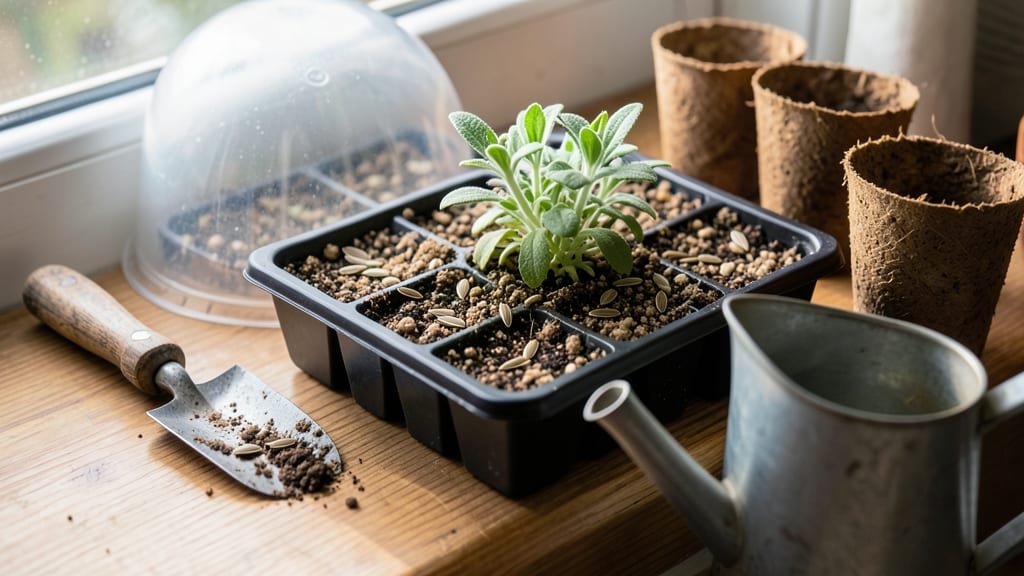
Oregano seed germination starts with the right moisture balance—too dry and they sleep, too wet and they rot. 🌱 I’ve learned the hard way that patience and consistency are key, especially when dealing with oregano’s famously slow start.
The secret lies in keeping the soil damp (not soggy) and warm, which tricks those tiny seeds into breaking dormancy without drowning. You’ll need a shallow tray, well-draining potting mix, and a humidity dome or plastic wrap to lock in moisture.
Plant seeds just below the surface—about ¼ inch deep—and water gently from the bottom to avoid disturbing them. Oregano seeds typically take 14-30 days to sprout, so don’t panic if nothing happens in the first two weeks. Once those first green shoots appear, you’ll know you’re on the right track.
Thin seedlings to 2 inches apart to give them room to grow strong, and keep the soil consistently moist but never waterlogged. Within 6-8 weeks, you’ll have sturdy seedlings ready for transplanting—though oregano handles transplant shock surprisingly well.
This method works year-round, but spring and fall give the best results. If you’re in a cooler climate, start seeds indoors 8-10 weeks before your last frost for a head start. The payoff? Homegrown oregano that’s far more flavorful than store-bought—and way cheaper.
📚 In This Guide
- What you need
- Instructions
- Tips and common mistakes
- Wrapping up and next steps
What you need
- ● Oregano seeds: High-quality, organic oregano seeds (e.g., Origanum vulgare). Aim for 10–20 seeds for a small batch.
- ● Germination tray or container: A shallow tray (6–8 inches wide) with drainage holes or a seed-starting kit.
- ● Seed-starting mix: Lightweight, sterile potting soil (avoid garden soil—it’s too dense). A 2–3 inch depth of mix is ideal.
- ● Spray bottle: A fine-mist sprayer (like a Growneer or Miracle-Gro) to keep soil moist without oversaturating.
- ● Plastic wrap or humidity dome: A clear lid or plastic wrap to create a mini greenhouse effect.
- ○ Heat mat (optional but helpful): A seedling heat mat (70–75°F range) to speed up germination.
- ● Grow lights or sunny windowsill: A south-facing window or a LED grow light (12–16 hours/day) for consistent light.
- ● Small hand trowel or spoon: For gently pressing seeds into soil.
- ● Toothpicks or chopsticks: To label your tray if growing multiple varieties.
- ○ Fan (optional): A small oscillating fan for mild airflow to prevent damping-off disease.
- ○ pH testing kit (optional): To check soil pH (ideal range: 6.0–7.0 for oregano).
Step-by-step instructions for germinating oregano seeds
Here's how I ensure strong, healthy oregano starts—key is keeping moisture just right.
🌱 Step 1: Prepare the Growing Medium
Use a sterile, well-draining seed-starting mix (never garden soil—it's too dense and may harbor pathogens). I like to mix my own with 50% peat moss, 30% perlite, and 20% vermiculite for perfect aeration. Fill your seed trays or small pots to within ½ inch of the rim—oregano seeds need room to stretch their roots without hitting the bottom.
Water the mix until it's evenly moist but not soggy. You'll know it's right when a handful squeezes together but doesn't drip water. Let it sit for 10 minutes to settle before planting. The goal is a consistently damp environment without waterlogging, which oregano seeds despise.
🌱 Step 2: Plant the Seeds Correctly
Sprinkle 3-4 seeds per cell (if using trays) or 2 seeds per small pot—this gives you backup plants if some fail to germinate. Press them just below the soil surface (⅛ inch deep) since oregano seeds need light to trigger germination. I use my finger to gently tap them into place rather than pressing too hard, which could damage them.
Cover the tray or pots with a clear plastic dome or plastic wrap to create a mini greenhouse. This traps moisture and warmth, which oregano seeds crave to sprout. Place the setup in a warm spot (70-75°F)—a seedling heat mat works wonders if your home runs cooler. Keep it out of direct sunlight until germination begins.
💧 Step 3: Maintain Ideal Moisture and Light
Check the soil daily—it should feel like a damp sponge, not a wet rag. Mist the surface lightly if the top layer feels dry to the touch. Overwatering now is the fastest way to kill your seeds, so I use a spray bottle to add just enough moisture. You'll see condensation on the plastic cover—this is normal and indicates proper humidity.
After 7-14 days, when you spot the first green shoots (usually within 10-14 days), remove the plastic immediately. Oregano seedlings need bright, indirect light to prevent leggy growth. Place them under a grow light (12-14 hours daily) or in a south-facing window. Watch for true leaves (the second set after the initial cotyledons)—this signals it's time to thin.
✂️ Step 4: Thin and Strengthen Seedlings
Once seedlings develop 2-3 sets of true leaves, thin to the strongest plant per cell or pot. Use small scissors to snip unwanted stems at soil level—pulling risks disturbing roots. Oregano seedlings can get crowded quickly, and thinning ensures your plants have space to develop strong root systems.
Hardening off begins 2 weeks before transplanting. Move seedlings outside for 1-2 hours daily, gradually increasing time in shade. You'll know they're ready when they handle full sun without wilting. Transplant to the garden or larger pots when nighttime temperatures stay above 50°F—oregano hates cold snaps.
🌿 Step 5: Care for Young Plants
Keep soil consistently moist but not waterlogged—oregano's Mediterranean roots prefer dry spells between waterings. Fertilize lightly with a balanced organic fertilizer (10-10-10) diluted to half strength once they're established. You'll notice new growth within 2-3 weeks if they're happy.
Watch for pests like spider mites (common in dry conditions) and treat with neem oil if needed. Strong oregano starts develop woody stems and aromatic leaves within 8-10 weeks. That's your reward for patience—homegrown oregano that tastes nothing like the dried stuff from the store.
Tips & tricks for perfect oregano seed germination
Here's what nobody tells you about getting those stubborn oregano seeds to sprout—these tricks make all the difference.
The Moisture Balance: That 10-minute settling time after watering is non-negotiable. It lets excess water drain while maintaining that perfect damp-sponge consistency. I've ruined batches by rushing this step—patience here prevents waterlogging, which oregano seeds hate. Use a spray bottle for daily checks instead of pouring; it gives you precise control over that critical moisture level.
Light Trigger Hack: Oregano seeds need light to germinate, but bright, indirect light after sprouting prevents leggy seedlings. I place my trays under a grow light on a timer for 12-14 hours daily—this mimics natural daylight cycles perfectly. If using natural light, rotate trays daily so all seedlings get equal exposure. The moment you see true leaves (second set), move to full light immediately.
Temperature Troubleshooting: That 70-75°F range is ideal, but most homes struggle to maintain it consistently. If your kitchen runs cooler, add a seedling heat mat underneath the trays. For warmer climates, move setups to shaded spots during peak afternoon heat. I've seen germination rates drop by 40% when temps dip below 65°F—don't let that happen to you.
Thinning Technique: When thinning to 2-3 sets of true leaves, use clean scissors to snip at soil level rather than pulling. This prevents root disturbance that could shock your remaining seedlings. I always keep one extra strong seedling per cell as backup—some plants surprise you by lagging behind. The goal is to leave plants with 2 inches between stems for proper air circulation.
Pro Tips for Oregano Seed Germination
- Here's what nobody tells you about getting those stubborn oregano seeds to sprout—these tricks make all the difference.
- The Moisture Balance: That 10-minute settling time after watering is non-negotiable.
- Light Trigger Hack: Oregano seeds need light to germinate, but bright, indirect light after sprouting prevents leggy seedlings.
Frequently asked questions
Got questions about growing oregano from seed?
You’re not alone! Here are answers to the most common queries—so you can troubleshoot, optimize, and succeed with your Origanum vulgare sprouts.
How long does oregano seed germination take?
Oregano seeds are slow germinators—expect 14 to 30 days in ideal conditions (warmth, moisture, and light). Patience is key! Pre-soaking seeds for 24 hours in warm water can speed up germination by 3–5 days.
Why aren’t my oregano seeds sprouting?
Common culprits include cold temperatures (below 60°F/15°C), dry soil, or old seeds (viability drops after 1–2 years). Try these fixes:
- Move trays to a warm, sunny spot (or use a heat mat).
- Keep soil consistently moist (not soggy).
- Test seed freshness—float test: Sink = viable; float = toss.
Can I germinate oregano seeds indoors without sunlight?
Yes! Use a grow light (12–16 hours/day) or a sunny windowsill. Oregano needs light for germination, but avoid direct midday sun until sprouts emerge. A seedling heat mat (70–75°F/21–24°C) can also boost success.
What’s the best soil mix for oregano seed germination?
Use a light, well-draining mix like:
- 50% seed-starting potting soil + 50% perlite/sand.
- Avoid garden soil—it’s too dense and may harbor fungi.
Sterilize the mix by baking it at 200°F (93°C) for 30 minutes to kill pathogens.
Should I use a greenhouse or plastic wrap for germination?
Both work! A mini greenhouse (or clear plastic wrap) creates humidity, but ventilate daily to prevent mold. Remove cover once sprouts appear (after ~10–14 days). For faster results, try a humidity dome with a fan for gentle airflow.
Can I transplant oregano seedlings too soon?
Wait until seedlings have 2–3 true leaves (not just cotyledons) and are at least 2–3 inches tall. Harden them off for 5–7 days before outdoor planting—gradually expose them to wind/light. Transplanting too early stresses roots and stunts growth.
Wrapping up and next steps
Mastering oregano seed germination is all about patience, precision, and the right conditions—just like nurturing any new life! 🌱 By controlling moisture, temperature, and light, you’ve set the stage for robust, flavorful oregano plants that’ll thrive in your garden or kitchen.
Whether you’re a seasoned gardener or just starting, every seed you sprout is a step toward a fresher, greener harvest.
Ready to take the next step? Start small—try a few seeds in a controlled environment, then expand as you gain confidence. Soon, you’ll be sharing your homegrown oregano with friends (or your favorite recipes!). Happy growing! 🌿