
Propagation
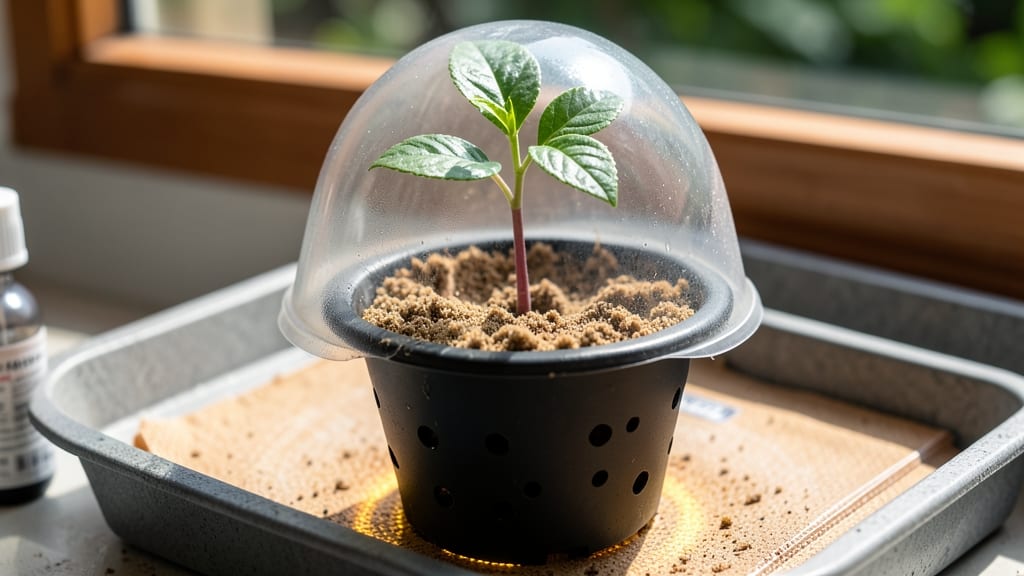
Orange seed germination unlocks a 60-day window to watch tiny roots break through soil like nature’s own magic. 🌱 I learned the hard way—skipping this step meant waiting months, if ever, for sprouts. The secret lies in mimicking winter’s chill, which triggers seeds to wake up and grow strong. You’ll need a damp paper towel, a sealed plastic bag, and your fridge’s crisper drawer. No fancy equipment—just patience. After 4-6 weeks of cold treatment, seeds should sprout within 10-14 days when moved to warmth. The key is keeping them moist but not soggy; too much water breeds mold, which I’ve battled more times than I’d like to admit. Once they germinate, those first green leaves signal success. Seedlings grow slowly at first but gain vigor quickly. By day 60, you’ll have sturdy little plants ready for pots—disease-resistant and eager to thrive. This method works for navel, Valencia, or even Meyer lemon seeds. Just remember: consistency is everything. Let’s get those seeds sprouting!
📚 In This Guide
- What you need
- Instructions
- Tips and common mistakes
- Wrapping up and next steps
What you need
- ● Orange seeds: 3–5 fresh, plump seeds (harvested from organic or seed-bearing oranges—avoid navels or hybrid varieties).
- ● Paper towels or coffee filters: 2–3 sheets (for moisture retention during stratification).
- ● Plastic zip-top bag: 1 quart-sized (to create a humid environment).
- ● Spray bottle (with water): For gentle misting (avoid soaking).
- ● Small container: A clean, shallow dish (e.g., plastic takeout container) for stratification.
- ● Refrigerator: With a crisper drawer (for cold-stratification, ~40–45°F / 4–7°C).
- ● Potting mix: 1 bag of well-draining, seed-starting mix (or 50% peat/50% perlite).
- ● Small pots or seed trays: 2–3 (3–4" diameter) with drainage holes.
- ○ Heat mat (optional): For faster germination (70–75°F / 21–24°C).
- ● Clear plastic wrap or dome: To retain humidity during germination.
- ● Seedling labels: To track varieties (if testing multiple seeds).
- ● Grow lights: LED or fluorescent (12–16 hours/day for seedlings).
- ● Humidity dome: For a greenhouse-like effect (speeds up sprouting).
- ● Fertilizer: Balanced liquid fertilizer (diluted to ½ strength) for post-germination care.
- ● Thermometer/hygrometer: To monitor temperature and humidity levels.
How to germinate orange seeds using cold stratification
Cold stratification tricks orange seeds into breaking dormancy—here’s how to do it right.
🌱 Step 1: Extract and Clean the Seeds
Remove the seeds from fresh or dried oranges by slicing open the fruit and scooping out the pulp. Rinse them under cool water to remove any remaining fruit residue, then spread them on a paper towel to dry for 24 hours. This prevents mold when we store them later.
I like to inspect each seed for cracks or soft spots—discard any that look damaged. Healthy seeds feel firm and smooth. Store them in a sealed container until you’re ready to stratify, which keeps them viable for up to 3 months.
💧 Step 2: Moisten and Stratify in a Cold Environment
Place the dried seeds in a small plastic bag with a damp paper towel—just enough moisture to keep the towel damp but not soaked. Seal the bag and label it with the date. This mimics natural winter conditions, breaking the seed’s dormancy.
Put the bag in the refrigerator’s crisper drawer, where temperatures stay between 35-40°F. Check it weekly to ensure the towel stays moist; if it dries out, spritz it lightly with water. After 6-8 weeks, the seeds will begin to plump up and soften slightly—a clear sign stratification is working.
⏰ Step 3: Plant Stratified Seeds in Warmth
After 60 days, remove the seeds from the fridge and sow them ½ inch deep in a pot filled with moist, well-draining potting mix. I use a small seedling tray with individual cells to prevent overcrowding. Gently press the soil around each seed to ensure good contact.
Cover the pot with plastic wrap or a humidity dome to retain warmth and moisture, then place it in a warm spot—around 70°F—like on top of the fridge. Germination should start in 10-20 days. Keep the soil consistently moist but never soggy; overwatering at this stage can cause rot.
☀️ Step 4: Provide Light and Care for Sprouts
Once the first true leaves appear (not the initial seed leaves), remove the plastic cover and move the seedlings to a sunny windowsill or under a grow light. They’ll need 6-8 hours of bright light daily to grow strong. Rotate the pot occasionally so they don’t lean toward the light.
Water gently from the bottom by placing the pot in a shallow tray of water for 10 minutes, then let it drain completely. This prevents damping-off, a fungal disease that attacks young seedlings. Thin to the strongest 2-3 seedlings per pot if multiple sprout, giving each at least 2 inches of space.
🌿 Step 5: Transplant and Encourage Growth
When seedlings reach 4-6 inches tall and have 4-5 true leaves, transplant them into individual 4-inch pots with fresh potting mix. Handle the seedlings carefully to avoid damaging the delicate roots. After transplanting, place them in a shady spot for 2-3 days to reduce stress.
Gradually reintroduce them to full sun over the next week. Orange trees thrive in full sun to partial shade, so a south-facing window or outdoor spot with afternoon shade works best. Fertilize lightly with a balanced liquid fertilizer every 4-6 weeks to support steady growth.
Tips & tricks for perfect orange seed germination
Real talk: Cold stratification isn't just about waiting—it's about creating the perfect conditions for those tiny seeds to wake up from their winter nap. Here's what nobody tells you about making this process foolproof.
Seed Selection Matters: Not all orange seeds are created equal. Choose seeds from fresh, organic oranges when possible—they've had less chemical exposure and often germinate more reliably. I've found that seeds from thick-skinned varieties like Valencia oranges tend to perform better than those from thin-skinned varieties. The key is to pick plump, undamaged seeds that feel heavy for their size—these are your best bets for successful germination.
Temperature Consistency is Critical: The 35-40°F range in your fridge's crisper drawer is perfect, but every refrigerator is different. If your crisper runs warmer, move the bag to a different shelf or even the freezer compartment (just don't let it freeze!). I've had success using a seedling heat mat set to low (around 40°F) inside a cool closet if my fridge isn't consistent. The goal is to keep it steady—fluctuations can confuse the seeds and delay germination.
Visual Cues for Success: In Step 2, when checking your seeds after 6-8 weeks, look for these signs of successful stratification: the seeds should feel slightly softer when squeezed gently, and you might notice tiny white roots emerging from the sides. If the seeds are still hard as rocks, they need more time—don't rush this process. Also, if you see any fuzzy mold developing, that's a sign the moisture level is too high. The damp paper towel should feel like a wrung-out sponge, not a dripping wet washcloth.
Lighting Strategy for Seedlings: Once you move your sprouted seeds to light in Step 4, don't underestimate the power of good lighting. A simple LED grow light just 6 inches above your seedlings works wonders and is more reliable than a sunny windowsill. I place mine on a timer for 12 hours of light daily—this mimics natural day length and prevents leggy growth. If using natural light, rotate your pots daily so all sides get equal exposure, preventing those sad, lopsided seedlings we've all had.
Pro Tips for Orange Seed Germination
- Real talk: Cold stratification isn't just about waiting—it's about creating the perfect conditions for those tiny seeds to wake up from their winter nap.
- Seed Selection Matters: Not all orange seeds are created equal.
- Temperature Consistency is Critical: The 35-40°F range in your fridge's crisper drawer is perfect, but every refrigerator is different.
Frequently asked questions
Got questions about germinating orange seeds? You’re not alone! Here are answers to the most common queries to help you grow citrus from seed with confidence.
How long does it take for an orange seed to germinate?
With cold stratification (chilling seeds for 30–60 days), germination typically starts in 1–3 weeks after planting. Some seeds may take up to 60 days to sprout, depending on variety and conditions. Patience is key—keep the soil moist and warm (70–80°F) to speed things up!
Why do orange seeds need cold stratification?
Citrus seeds often have a hard seed coat that blocks moisture and oxygen. Cold stratification softens the coat and mimics winter conditions, breaking dormancy. Skipping this step can delay or prevent germination. Think of it as a natural "wake-up call" for your seeds!
Can I germinate orange seeds without cold stratification?
Yes, but success rates drop. Soak seeds in warm water for 24–48 hours first, then plant in moist soil. Keep the pot in a warm, sunny spot (75–85°F) and mist daily. Expect slower results—stratification still yields the best, fastest sprouts.
What if my orange seed won’t germinate?
Don’t panic! Try these fixes:
- Check moisture: Soil should stay damp (not soggy). Use a spray bottle if needed.
- Test seed viability: Cut open a seed—if the inside is brown/mushy, it’s dead. Try fresh seeds.
- Adjust warmth: Move the pot to a warmer spot (like near a sunny window or under a grow light).
- Re-stratify: If seeds were chilled too briefly, repeat the cold treatment for another 30 days.
Will my orange seedling grow into a fruit-bearing tree?
Most likely, no—but it’s not impossible! Seed-grown orange trees are not true to type and may produce inferior fruit (or none at all). For fruit, graft a citrus variety onto your seedling later. However, the tree itself makes a great ornamental or rootstock!
Pro Tip:
Label your seeds! Orange seedlings can look like other citrus (like lemon or grapefruit). Use a toothpick with the date and variety to track growth—future you will thank you!
Wrapping up and next steps
Germinating orange seeds with cold stratification is a rewarding journey that unlocks the potential of your citrus dreams in just 60 days! 🌱 Whether you’re a patient gardener or a curious beginner, this method proves that patience and precision pay off—turning tiny seeds into thriving saplings.
Now that you’ve mastered the steps, why not expand your citrus collection? Try experimenting with different varieties or even sharing your newfound knowledge with fellow plant enthusiasts. Happy growing!