
Propagation
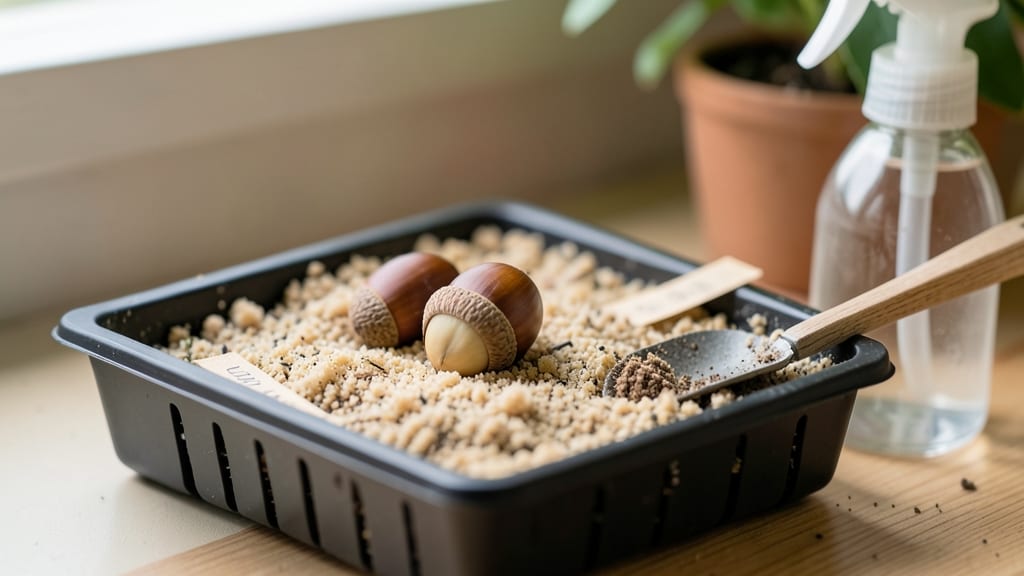
Oak tree seed germination with the warm-moist method cuts months off the waiting game. 🌱 I’ve struggled with acorns sitting dormant for years—until I discovered this technique that mimics natural forest conditions to trigger faster sprouting. The secret lies in recreating the perfect balance of moisture and warmth that breaks dormancy.
You’ll need fresh acorns (collected in fall), a breathable container, moist sand or peat moss, and patience—though the process moves surprisingly fast once started.
Oak seeds demand consistency: keep the mix damp but not soggy, and maintain temperatures between 68-77°F. Most acorns respond within 4-8 weeks, though some stubborn varieties may take longer.
The payoff arrives when those first pale green cotyledons push through the soil—proof you’ve cracked the code. These seedlings will need years to mature, but starting them from seed gives you roots (literally) in the soil and a tree that’ll outlive you.
The warm-moist method isn’t just faster; it’s more reliable than cold stratification alone.
This approach works best for red, white, and bur oak species. For black oak acorns, add an extra month of cold stratification first. The key to success? Monitoring moisture levels without overwatering—oaks hate soggy roots from the get-go. Let’s get those acorns sprouting.
📚 In This Guide
- What you need
- Instructions
- Tips and common mistakes
- Wrapping up and next steps
What you need
- ● Oak acorns: Fresh, plump acorns (preferably from white oak or red oak—avoid those with holes or cracks). Aim for at least 10-20 seeds to account for variability in germination rates.
- ● Potting mix: A well-draining, sterile seed-starting mix (e.g., 50% perlite or vermiculite + 50% peat moss or coco coir). Avoid garden soil—it may harbor pests or diseases.
- ● Containers: Small pots (3-4 inches deep) or a seed tray with drainage holes. Use one container per acorn or a shared tray with individual cells.
- ● Water: Room-temperature, filtered, or distilled water (chlorine-free). A spray bottle helps for gentle hydration.
- ● Plastic wrap or humidity dome: To maintain moisture and warmth during germination (e.g., a clear plastic bag or a propagator lid).
- ● Heat source: A seedling heat mat (70–85°F) or a warm spot (like on top of a fridge). Consistency is key!
- ○ Scissors or knife: For gently nicking the acorn’s hard shell (optional but highly recommended for faster germination).
- ● Label markers & tags: To track planting dates and varieties.
- ● Fungicide: A mild solution (e.g., 1 part hydrogen peroxide to 10 parts water) to prevent mold if using outdoor-collected acorns.
- ○ Grow lights: Optional for post-germination care if natural light is limited (12–16 hours/day).
- ● Notebook: To log moisture levels, temperature, and sprouting progress!
Step-by-Step instructions for oak tree seed germination
Here's how to break through oak seeds' stubborn dormancy and coax strong seedlings in just weeks.
🌱 Step 1: Stratify Seeds for Dormancy Break
Oak seeds need 90-120 days of cold, moist stratification to mimic natural winter conditions. Place seeds in a paper towel or damp sand inside a sealed plastic bag. Store them in your refrigerator's crisper drawer where temperatures stay between 34-40°F.
Check the seeds every 2-3 weeks—they should feel moist but not soggy. If the paper towel dries out, mist it lightly with water and reseal. This cold treatment tricks the seed into thinking winter has passed, signaling it's time to sprout. I like to label the bag with the start date so I don't forget when to check for germination.
💧 Step 2: Prepare Germination Trays
While seeds stratify, fill 4-inch diameter pots with a mix of 50% peat moss and 50% perlite. This lightweight blend prevents root rot while allowing air circulation. Moisten the mix until it feels like a damp sponge—squeeze it gently and it should hold its shape without dripping.
Place the trays in a warm, shaded location (around 70-75°F) where they'll stay until germination begins. I use a seedling heat mat set to 75°F under the trays to ensure consistent warmth. The moment you see the first tiny rootlet emerge, it's time to plant.
⏰ Step 3: Plant Stratified Seeds
Remove seeds from cold storage and plant them ½ inch deep in the prepared trays. Space them 2 inches apart to allow room for root development. Gently pat the soil around each seed to ensure good contact—this prevents air pockets that could delay germination.
Cover the trays with clear plastic wrap to maintain humidity, but prop it up slightly so air can circulate. Place the trays under grow lights set to 12-14 hours of light daily. Oak seedlings are sensitive to temperature swings, so keep them in a spot where the environment stays stable. You should see first sprouts in 4-8 weeks.
☀️ Step 4: Transition to Outdoor Conditions
Once seedlings reach 4-6 inches tall with 3-4 true leaves, it's time to harden them off. Move the trays outdoors to a shaded, sheltered spot for 2-3 hours the first day, gradually increasing exposure over 10-14 days. Watch for signs of stress like wilting or yellowing leaves—these indicate the seedlings need more time.
After hardening, transplant them into individual 1-gallon containers filled with a mix of 60% garden soil and 40% compost. Oak seedlings grow slowly at first, so don't rush—patience is key. Keep the soil consistently moist but never waterlogged, as oak roots are prone to rot if overwatered.
🌿 Step 5: Maintain Young Seedlings
Place the containers in partial shade for their first growing season, protecting them from harsh afternoon sun. Oak seedlings need moderate watering—about 1 inch per week—but allow the top inch of soil to dry between waterings to prevent fungal issues.
Fertilize lightly with a balanced 10-10-10 formula diluted to half strength every 6-8 weeks during the growing season. Avoid heavy-handed feeding—oaks grow best in lean conditions. In their second year, you can gradually introduce more sunlight as the seedlings strengthen.
Tips & tricks for perfect oak tree seed germination
Here's what nobody tells you about breaking oak seeds' stubborn dormancy—these tricks will help you achieve reliable germination without the usual frustration.
Cold Stratification Precision: The 90-120 days of cold stratification is non-negotiable for oak seeds, but here's the secret: maintain a consistent 34-40°F temperature in your refrigerator's crisper drawer. I've found that placing a small thermometer inside the bag gives you real-time monitoring—some fridges have hot spots that can disrupt this delicate process. Also, resist the urge to check too often; every time you open the bag, you risk exposing the seeds to warmer air, which can break dormancy prematurely.
Soil Mix Science: The 50% peat moss and 50% perlite blend in Step 2 isn't just arbitrary—it's about creating the perfect balance. Peat moss retains moisture while perlite prevents compaction and allows oxygen flow. Pro tip: Before planting, run a finger through the mix—it should feel like a wrung-out sponge. If it crumbles, add a light mist of water; if it sticks together, mix in more perlite. This texture ensures your oak seedlings won't suffocate from poor drainage.
Lighting Strategy: Those 12-14 hours of grow light daily are crucial, but placement matters just as much as duration. Position lights just 6-8 inches above the trays—closer than that can scorch tender seedlings, while farther away won't provide sufficient intensity. I recommend using full-spectrum LED grow lights, which mimic natural sunlight more effectively than standard bulbs. And here's a bonus: Set a timer for the lights to automatically turn on and off, eliminating any guesswork in your daily routine.
Hardening Off Gradually: The 2-3 hour outdoor exposure in Step 4 is where many seedlings meet their demise through shock. Instead of jumping straight to full sun, I've had success with this gradual approach: Start with just 1 hour on day one, then add 30 minutes each subsequent day. Watch for subtle signs of stress like curled leaves or slightly droopy stems—these are your cues to slow down. Remember, oak seedlings are tough but not invincible; they need time to acclimate to their new environment.
Pro Tips for Oak Tree Seed Germination
- Here's what nobody tells you about breaking oak seeds' stubborn dormancy—these tricks will help you achieve reliable ...
- Cold Stratification Precision: The 90-120 days of cold stratification is non-negotiable for oak seeds, but here's the...
- Soil Mix Science: The 50% peat moss and 50% perlite blend in Step 2 isn't just arbitrary—it's about creating the perf...
Frequently asked questions
How long does it take for oak tree seeds to germinate?
Germination can take anywhere from 3 weeks to 6 months, depending on the oak species and conditions. White oaks often sprout faster (4–8 weeks), while red oaks may take longer. Patience is key—keep seeds consistently moist and warm (70–80°F) to encourage faster results.
Do I need to scarify oak seeds before planting?
Yes! Oak seeds have hard seed coats that slow down germination. Soak seeds in warm water for 24–48 hours or gently nick the shell with sandpaper. For stubborn seeds, try the warm-moist method (like in our guide) to break dormancy faster.
What’s the best temperature for oak seed germination?
Oak seeds thrive in warm, stable conditions—aim for 70–80°F (21–27°C). Use a seedling heat mat or place them near a sunny window. Avoid cold drafts or fluctuating temps, which can stall germination. A small greenhouse tray works great for maintaining warmth.
Can I germinate oak seeds indoors without special equipment?
You only need a clear plastic bag, damp paper towels, and a warm spot. Place seeds between damp towels, seal in the bag, and store near a heater or sunny window. Check weekly for sprouts—no fancy tools required!
Why aren’t my oak seeds sprouting after 2 months?
Don’t worry—oaks are slow starters! Double-check these fixes:
- Moisture: Keep seeds consistently damp (not soggy).
- Temperature: Ensure warmth (70–80°F).
- Scarification: Try soaking longer or filing the seed coat.
- Patience: Some seeds need stratification (cold treatment)—try refrigerating them for 30–60 days before replanting.
Wrapping up and next steps
Germinating oak tree seeds with the warm-moist method is a rewarding journey that unlocks the potential of these majestic trees—even if they’re notoriously slow to sprout! 🌱 With patience, the right tools, and a little care, you can break through dormancy and watch new life emerge.
Whether you're a gardener or an eco-warrior, every seed you nurture today could grow into a future forest.
Ready to take the next step? Start small:
- Gather a few acorns this fall and store them properly.
- Experiment with your first batch using the warm-moist method.
- Track your progress and share your oak tree’s growth story with fellow plant enthusiasts!