
Lawn
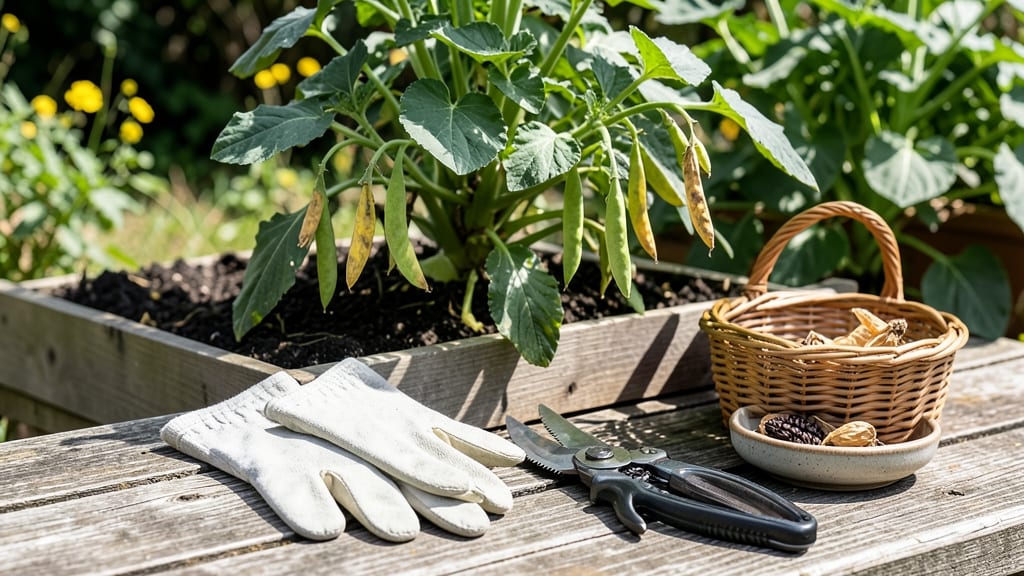
Harvesting mustard seed pods without twisting them is the secret to saving viable seeds all year. 🌱 I learned this the hard way after my first dry, brittle pods shattered when I tried to twist them off—now I’ve perfected a gentle, foolproof method that preserves every seed.
Start with healthy plants in well-draining soil, and watch for the pods to turn from green to light brown. When they’re dry but still firm, use a small knife to carefully slice them from the stem instead of twisting. This keeps the seeds intact and ready for storage.
You’ll end up with plump, fertile seeds that stay viable for 2-3 years when stored in a cool, dry place. These aren’t just for replanting—they’re perfect for homemade mustard, spice blends, or trading with fellow gardeners. The best part?
This method works for any mustard variety, whether you’re growing in containers or full sun. Once you try it, you’ll never go back to the old way.
📚 In This Guide
- What you need
- Instructions
- Tips and common mistakes
- Wrapping up and next steps
What you need
- ● Mustard plants (preferably Brassica juncea or similar varieties) with mature seed pods—ensure they’re fully developed but not dried out or brittle. Aim for 5-10 healthy plants for a decent harvest.
- ● Harvesting gloves (nitrile or cotton) to protect your hands from prickly pods and sap.
- ● Sharp pruning shears or scissors (sterilized with rubbing alcohol) for clean cuts.
- ● Paper bags or breathable mesh bags (5-10, depending on yield) to store pods while drying. Avoid plastic—it traps moisture!
- ● Newspaper or cardboard for a drying surface (if pods need extra care).
- ● Small paintbrush or soft-bristle brush to gently coax stubborn pods open without twisting.
- ○ Tweezers (optional but handy) for delicate seed extraction.
- ● Rubbing alcohol wipes to clean tools between uses and prevent mold.
- ● A seed drying rack or screen for even airflow during the drying process.
- ● Food dehydrator (set to 95°F or lower) for faster, controlled drying.
- ● Labeling tags and a permanent marker to track seed varieties and harvest dates.
- ● Small funnel for easy seed storage into airtight containers.
Step-by-step guide to harvesting mustard seed pods without twisting
Here's how I collect seeds without damaging pods—keeping them viable for next year's planting.
🌱 Step 1: Identify and Wait for Full Maturity
Mustard seed pods turn from green to a deep, papery brown when fully mature. I wait until 90% of pods on the plant have browned completely—this ensures maximum seed viability. You'll notice the pods become brittle and dry to the touch, almost like crinkled paper.
Harvesting too early means immature seeds that won't germinate. If you see any green pods still clinging, leave them on the plant another 3-5 days. The key is patience—rushing leads to wasted seeds. I like to harvest on a dry morning when dew has evaporated, as moisture makes pods stickier and harder to handle.
✂️ Step 2: Cut Pods Directly from the Plant
Use clean, sharp pruning shears to snip pods directly from the stem rather than pulling them. This prevents damage to the plant and keeps the pods intact. I cut 1-2 inches below the pod cluster—this gives me a clean break and avoids tearing delicate stems.
Place the cut pods in a paper bag immediately. The bag's breathable material allows air circulation while preventing seeds from scattering. Don't overfill the bag—leave room for pods to dry further. If you have multiple plants, label each bag with the variety name to avoid confusion later.
🪴 Step 3: Dry Pods Completely Before Handling
Spread the pods out on a clean, dry surface in a single layer. I use a baking sheet lined with parchment paper to catch any stray seeds. Place the tray in a warm, dry spot with good airflow—70-75°F works perfectly. It takes about 5-7 days for pods to dry completely, depending on humidity levels.
You'll know they're ready when pods rattle when shaken—this means seeds are fully dry and loose inside. If any pods remain slightly damp, leave them a few more days. Never use a hairdryer or oven—direct heat can scorch seeds and reduce germination rates. I check daily and gently shake the tray to redistribute pods if any stick together.
💧 Step 4: Crack Pods Without Twisting or Breaking
Once completely dry, place a single pod on a clean cutting board. Use a small hammer or the flat side of a spoon to gently tap the pod until it splits open. You'll hear a soft popping sound when it's ready. Avoid twisting—this often crushes seeds inside or damages the pod structure.
Empty the seeds into a paper envelope or small glass jar. I like to use envelopes because they're lightweight and easy to store. Label each container with the variety name and harvest date. Store in a cool, dark place—50-60°F is ideal. Seeds stay viable for 2-3 years when stored properly.
⏰ Step 5: Store Seeds for Long-Term Viability
Place the labeled containers in an airtight container with a silica gel packet to absorb any remaining moisture. I use a small plastic bin with a tight-fitting lid. Check the seeds annually—if they feel damp or smell musty, spread them out to dry again before resealing.
This method keeps seeds fresh and ready for next year's planting. When you're ready to sow, simply open the container and plant the seeds directly into prepared soil. You'll know they're still good if they germinate within 7-10 days—that's your sign they've been stored properly.
Tips & tricks for perfect mustard seed pod harvesting
These simple strategies will help you collect viable seeds without damaging delicate pods—saving you time and frustration.
Maturity Check: Look for pods that are completely brown and brittle—this is your signal they're ready. I test by gently squeezing a few pods; if they crumble easily, they're perfect. Harvesting too early means seeds won't germinate properly, while waiting too long risks losing pods to wind or pests. The 90% rule ensures you get the most seeds possible without compromising quality.
Harvesting Technique: Always use sharp pruning shears and cut cleanly 1-2 inches below the pod cluster. This prevents tearing stems and keeps pods intact. I've found that harvesting on dry mornings reduces stickiness—just a little patience prevents messy handling later. Place pods immediately in breathable paper bags to prevent seed scattering while allowing airflow.
Drying Strategy: Spread pods in a single layer on parchment-lined trays at 70-75°F for 5-7 days. The gentle warmth and airflow create ideal drying conditions without risking heat damage. I check daily by shaking pods—when they rattle, they're ready. Never rush drying; even slightly damp pods can develop mold during storage.
Storage Wisdom: Keep seeds in a cool, dark place at 50-60°F with silica gel packets to absorb moisture. I store them in labeled envelopes that fit neatly in my seed collection bin. Checking annually ensures viability—if seeds smell musty or feel damp, spread them out to dry again before resealing.
Pro Tips for Mustard Seed Pods
- These simple strategies will help you collect viable seeds without damaging delicate pods—saving you time and frustra...
- Maturity Check: Look for pods that are completely brown and brittle—this is your signal they're ready. I test by gent...
- Harvesting Technique: Always use sharp pruning shears and cut cleanly 1-2 inches below the pod cluster. This prevents...
Frequently asked questions
Got questions about harvesting mustard seed pods? We’ve got answers! Whether you’re a first-timer or a seasoned gardener, these FAQs will help you navigate the process like a pro.
Why do mustard seed pods sometimes twist or shatter when I try to harvest them?
Mustard seed pods twist and shatter due to their natural dehiscence—a survival mechanism to scatter seeds. To prevent this, harvest pods when they’re fully yellow and dry but still firm (not brittle). Use a twist-resistant technique (like the one in our guide) to avoid damage. If pods already shattered, check the soil—scattered seeds may still germinate!
How do I know when mustard seed pods are ready for harvest?
Timing is key! Harvest pods when they turn bright yellow or brown and feel crisp but not hollow when gently squeezed. Avoid harvesting when pods are still green or wet—they won’t dry properly, and seeds may mold. Morning harvests work best, as dew can make pods stickier and more prone to twisting.
Can I harvest mustard seed pods if they’re still on the plant, or do I need to pick them?
You must pick them! Mustard pods don’t release seeds until they’re fully dry and detached. Use clean, sharp scissors or pruners to snip pods at the stem, leaving a small portion attached to avoid damaging the plant. If pods are still green, leave them to mature—harvesting too early ruins seed viability.
What’s the best way to store harvested mustard seed pods for long-term use?
Store pods in a cool, dry place (like a paper bag in a pantry) to prevent moisture buildup. For year-round viability, dry pods thoroughly (2–3 weeks in a well-ventilated area) before storage. Once dry, you can:
- Crush pods to release seeds into a jar.
- Hang pods in a mesh bag for natural seed dispersal.
- Freeze pods in an airtight container for up to 1 year.
What if I don’t have mustard plants? Are there alternatives for twist-resistant seed pods?
If mustard isn’t an option, try these low-twist seed pod plants:
- Flax: Pods dry flat and release seeds easily.
- Sunflower: Harvest heads when back of petals turns yellow.
- Poppy: Collect pods before they split open.
- Dill: Shake dried umbels to release seeds.
Wrapping up and next steps
Harvesting mustard seed pods with care ensures a bountiful, twist-resistant yield—whether you're saving seeds for next season or crafting homemade mustard. By using the right tools, timing your harvest perfectly, and storing pods properly, you’ll enjoy high-quality seeds year-round. 🌱
Ready to take the next step? Start small—try harvesting just a few pods this season to refine your technique. Then, scale up and share your success with fellow gardeners! Your green thumb will thank you.