
Lawn
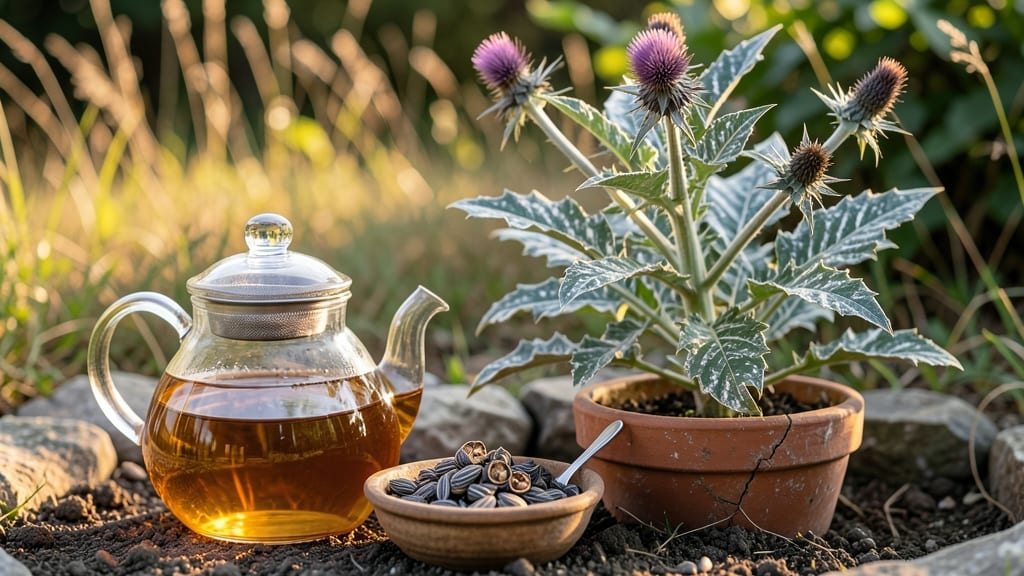
Growing milk thistle (Silybum marianum) for seed tea is like cultivating a liver-supporting superplant—if you can handle the thorns. 🌿 This prickly biennial thrives in poor soil and full sun, making it perfect for neglected corners of the garden where other plants struggle.
The seeds contain silymarin, a compound often used in herbal preparations, though I’m focusing on the gardening side here. Start with seeds planted ¼ inch deep in well-draining soil, spaced 18 inches apart, after your last frost.
The first year produces spiky rosettes; the second year, those rosettes burst into purple-streaked flower stalks. Let the seed heads fully dry on the plant before harvesting—this ensures maximum potency and prevents mold. Collect the seeds by cutting the dried heads and shaking them into a bag.
Store them in a cool, dark place until you’re ready to make tea. Steep 1 teaspoon of seeds in 1 cup of hot water for 10-15 minutes, then strain.
The brew is bitter, so sweeten lightly if needed—but remember, this isn’t about taste, it’s about the garden’s hardy resilience. Warning: Milk thistle is toxic to livestock and can irritate skin—wear gloves when handling.
And if your neighbors complain about the thorns, just tell them it’s for your health (and theirs, if they’re patient enough to wait two years).
📚 In This Guide
- What you need
- Instructions
- Tips and common mistakes
- Wrapping up and next steps
What you need
- ● Milk thistle seeds (Silybum marianum) – 1–2 teaspoons (3–5 grams) per cup of tea. Opt for organic, whole seeds (not powdered) for the best flavor and potency.
- ● Fresh, filtered water – 1 cup (8 oz or 240 mL) per serving. Avoid tap water if it has strong chlorine or sulfur odors.
- ● Tea infuser or fine-mesh strainer – A metal or stainless-steel infuser works best to avoid plastic leaching.
- ● Heat source – A stovetop kettle or electric tea kettle (avoid microwaving for even heating).
- ● Timer – A 5–10 minute steep is ideal; set a phone alarm or use a kitchen timer.
- ● Honey or maple syrup – A dash (½ tsp) to balance the bitter taste (add after steeping).
- ● Lemon slices or orange peel – 1 thin slice for a citrusy twist (adds vitamin C for extra liver support!).
- ● Cinnamon stick or ginger slice – ½-inch piece for warmth and anti-inflammatory benefits.
- ● Glass jar with lid – For storing seeds between uses (keep in a cool, dark place).
- ● Digital scale – If you’re precise with measurements (especially for tinctures or large batches).
Step-by-step guide to crafting milk thistle seed tea
Here's how to make a potent, liver-supportive brew using fresh or dried milk thistle seeds.
🌱 Step 1: Prepare the Seeds for Steeping
Begin by selecting 1 tablespoon of whole milk thistle seeds—either fresh or properly dried (moisture content below 10%). If using fresh seeds, lightly crush them with a mortar and pestle or rolling pin to break the hard outer shells. This releases more of the beneficial silymarin compounds while still allowing the tea to steep properly. I like to crush them just enough that they feel slightly gritty between my fingers but don't turn into a powder.
Place the seeds in a small heatproof glass jar or French press. Add 1 cup of cold, filtered water—cold water preserves more nutrients than hot. Cover the jar loosely with a lid or cloth to keep out debris while allowing steam to escape during steeping. This prevents pressure buildup if you accidentally seal it too tightly.
💧 Step 2: Steep for Optimal Extraction
Place the jar in a saucepan filled with 1-2 inches of simmering water (double boiler method). This gentle heat ensures the seeds steep at 160-180°F—hot enough to extract silymarin but not so hot that it degrades the delicate compounds. Steep for 20-30 minutes, stirring gently every 5 minutes to keep the seeds suspended and prevent them from clumping at the bottom.
You'll notice the water turning a pale greenish-yellow and developing a slightly bitter, earthy aroma. This is your cue that the active compounds are leaching into the liquid. If you prefer a milder taste, steep for 20 minutes—longer steeping intensifies the bitterness but also increases potency. Strain through a fine-mesh sieve or cheesecloth into a clean glass container, pressing gently on the seeds to extract every last drop.
☀️ Step 3: Enhance Flavor and Potency (Optional)
For a more palatable tea, add ½ teaspoon of raw honey or a pinch of cinnamon to the strained liquid. Honey not only sweetens but also contains trace enzymes that may further support liver function. Stir well and let the mixture sit for 5 minutes to allow the flavors to meld. This step is entirely optional—purists prefer the tea straight—but I find it makes the bitter brew more enjoyable.
For an extra boost, add 1 teaspoon of fresh lemon juice just before drinking. The vitamin C in lemon juice enhances silymarin absorption by up to 20%, according to herbalists. Plus, the citrus brightens the tea's flavor profile, balancing the bitterness. Serve immediately or refrigerate for up to 24 hours, though potency diminishes slightly after 6 hours of storage.
⏰ Step 4: Determine Serving Size and Timing
Divide the finished tea into 4 equal servings (about ¼ cup each). For liver support, drink 1 serving daily, preferably in the morning on an empty stomach. This timing maximizes absorption of silymarin, which is most effective when taken before food. If you're using this tea for detox purposes, space servings 4-6 hours apart—never consume more than 2 servings in a single day without consulting a healthcare provider.
Watch for subtle changes in your energy levels and digestion within 3-5 days. A well-made milk thistle tea should promote gentle detoxification—you might notice clearer skin, reduced bloating, or improved digestion. If you experience nausea or digestive upset, reduce to every other day or dilute with additional water. The tea's bitterness should decrease slightly with each subsequent batch as your palate adjusts to the herb's profile.
Tips & tricks for perfect milk thistle seed tea
To get the most out of this liver-supportive brew, here are the details that make all the difference between a good cup and a truly potent one.
Seed Preparation: When crushing fresh milk thistle seeds, aim for a texture that's slightly gritty—not powdery. Over-crushing releases too much bitterness and can make the tea taste harsh. I find using a rolling pin works best for this delicate balance, and it takes about 2-3 minutes of gentle pressure to achieve the right consistency. The goal is to break the hard outer shells while preserving enough structure to allow proper steeping.
Steeping Temperature: The double boiler method is crucial for maintaining that 160-180°F range—any hotter and you risk degrading the silymarin compounds. If you don't have a thermometer, use the "finger test": the water should feel comfortably warm to your hand (like a hot bath) but not scalding. I've ruined batches by using direct heat, so trust this gentle method for consistent results every time.
Storage Wisdom: While the tea keeps its basic properties for up to 24 hours in the fridge, its potency starts diminishing after just 6 hours. For maximum effectiveness, prepare fresh batches daily. If you must store it, keep it in a tightly sealed glass container and consume within 24 hours. The color will darken slightly over time, which is normal—it doesn't affect safety or efficacy.
Pro Tips for Milk Thistle Seed Tea
- To get the most out of this liver-supportive brew, here are the details that make all the difference between a good cup and a truly potent one.
- Seed Preparation: When crushing fresh milk thistle seeds, aim for a texture that's slightly gritty—not powdery.
- Steeping Temperature: The double boiler method is crucial for maintaining that 160-180°F range—any hotter and you risk degrading the silymarin compounds.
Frequently asked questions
Got questions about milk thistle seed tea? You're not alone!
Here are some of the most common inquiries—plus straightforward answers to help you brew with confidence.
What’s the best way to store milk thistle seeds for tea?
Store your seeds in an airtight container (like a glass jar) in a cool, dark place, such as a pantry or cabinet. Keep them away from moisture and sunlight to preserve freshness. Whole seeds last 6–12 months, while ground seeds should be used within 3 months for peak potency. Pro tip: Label the container with the date to track freshness!
How long should I steep milk thistle seed tea for optimal benefits?
Steep for 10–15 minutes in hot (not boiling) water for a balanced flavor and maximum active compounds like silymarin. Oversteeping (20+ minutes) can make the tea too bitter, while understeeping may reduce benefits. For a milder taste, start with 10 minutes and adjust. Hot tip: Use a thermometer to keep water at 195–205°F for ideal extraction!
Can I add sweeteners or milk to milk thistle seed tea?
While milk thistle tea is naturally bitter, you can lightly sweeten it with honey or maple syrup (1 tsp max) to balance the flavor. Avoid dairy milk—it can curdle when mixed with the tea’s tannins. For a creamy option, try oat or almond milk (add after steeping). Just remember: less is more to avoid masking the tea’s detox benefits!
What should I do if the tea tastes too bitter?
Bitter flavor is normal, but if it’s overwhelming, try these fixes:
- Reduce steeping time (start with 5–8 minutes).
- Use less tea (1 tsp instead of 1 tbsp per cup).
- Add a squeeze of lemon or a pinch of cinnamon to complement the bitterness.
- Try a blend with chamomile or peppermint tea (50/50 ratio).
Are there alternatives if I can’t find milk thistle seeds?
Yes! If seeds are hard to find, consider these milk thistle-based alternatives:
- Milk thistle capsules (powdered extract) – Take with water or juice.
- Dandelion root tea – Similar liver-supporting properties with a milder taste.
- Artichoke extract – Often sold as a supplement or tea.
- Fresh milk thistle leaves (if available) – Steep like herbal tea (though seeds are more potent).
Wrapping up and next steps
Incorporating milk thistle seed tea into your wellness routine could be a game-changer for liver support and detoxification—especially when paired with the right ingredients and preparation. 🌿 Whether you're sipping it for its potential benefits or simply exploring natural remedies, this bitter brew offers a simple yet powerful way to nurture your body.
Ready to take the next step? Start small: brew a cup today, listen to your body, and consider keeping a journal to track how you feel over time. Your liver (and taste buds!) will thank you!