
Lawn
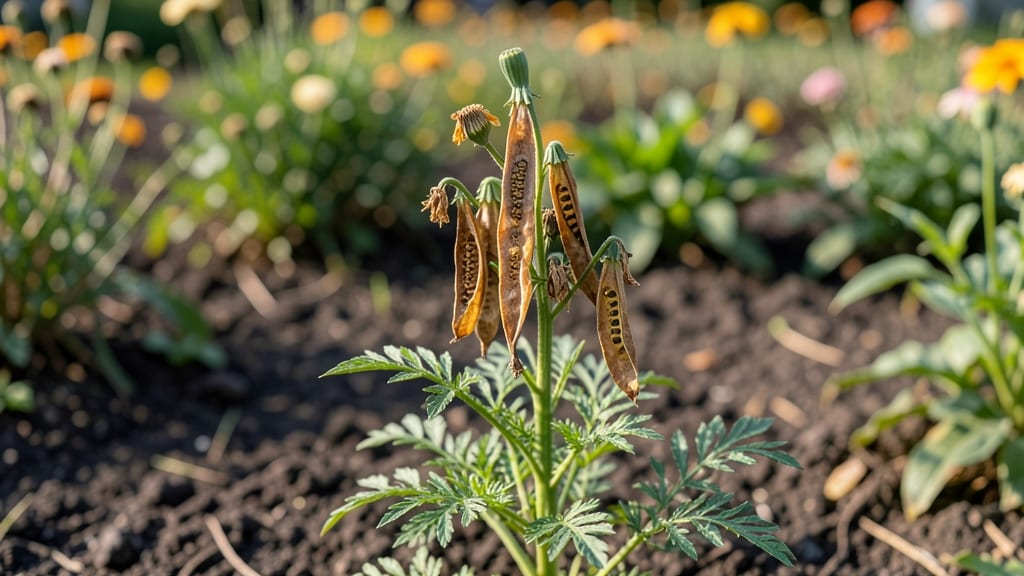
Saving marigold seed pods means next summer’s bright orange blooms cost you nothing. 🌻 The key is knowing exactly when those papery pods are ready to harvest—before they crack open and scatter seeds everywhere.
I’ve learned this the hard way after watching my best French marigolds turn into a seed rainstorm in one afternoon.
You’ll need just a few simple tools: sharp scissors, a paper bag for collecting pods, and a dry, airy spot to cure them. The pods must stay intact until fully dry—any moisture means mold or spoiled seeds.
Once you’ve got them dried, store them in an envelope labeled with the variety and date. My best batch lasted three years in the fridge before still sprouting strong seedlings.
What you end up with is a trove of free plants that bloom earlier and stronger than store-bought seedlings. The scent alone—warm, earthy, and just a little citrusy—makes the effort worth it.
Plus, you’ll avoid the disappointment of wilted nursery starts that never quite match the vibrant colors of homegrown marigolds.
This method works for all marigold types, from tiny French varieties to towering African marigolds. Even if you’ve had pods crack open before, I’ll show you how to troubleshoot and salvage what you can. Let’s turn those seeds into next year’s border highlights!
📚 In This Guide
- What you need
- Instructions
- Tips and common mistakes
- Wrapping up and next steps
What you need
- ● Marigold seed pods: Harvest fully mature pods (brown and slightly papery) from healthy plants. Aim for 10–20 pods depending on your storage goals.
- ● Scissors or pruning shears: Sharp, clean tools to snip stems without crushing pods.
- ● Paper bags or brown lunch bags: 1–2 bags (perforated or with holes punched in the bottom) for airflow.
- ● Newspaper or dry paper towels: 1–2 sheets for a clean, dry surface.
- ● Air-dry location: A warm, dry, well-ventilated spot (e.g., pantry, garage, or porch) with indirect sunlight.
- ● Air-tight containers: Small jars, envelopes, or seed packets (e.g., 1–2 oz mason jars or 3x5-inch seed envelopes).
- ○ Silica gel packets (optional): 1–2 packets to absorb excess moisture in containers.
- ● Permanent marker: For labeling containers with plant name + harvest year.
- ● Patience: Drying takes 2–4 weeks—avoid rushing!
- ● Dry weather: Harvest pods on a sunny, dry day to prevent mold.
- ● Clean workspace: Free of dust or debris to keep seeds pure.
How to harvest, dry, and store marigold seed pods
Here’s how I save seeds from my marigolds year after year—no fancy tools, just patience and the right timing.
🌱 Step 1: Identify and Harvest Mature Seed Pods
Wait until the blooms fade and the seed pods turn brown and papery—they’ll look like tiny dried-up lanterns. I check pods daily in late summer because they dry quickly once they change color. Gently twist the pod off its stem or use clean scissors to snip it free. Avoid dropping seeds—marigold seeds are tiny and scatter easily.
If you miss the perfect moment, pods may split open and release seeds prematurely. Here’s the thing—if the pod feels dry and brittle, it’s ready. If it’s still green or soft, wait another day or two. I like to harvest on a dry morning so the pods don’t stick to my fingers.
💧 Step 2: Dry the Seed Pods Thoroughly
Spread the pods in a single layer on a paper towel or mesh screen in a warm, dry place. I use a cardboard box with holes poked in the sides for airflow—this prevents mold while keeping seeds contained. Keep them out of direct sunlight, which can overheat and crack the pods.
Drying takes 7-10 days, depending on humidity. You’ll know they’re ready when the pods feel completely dry and rattle with seeds inside. If you live in a damp climate, speed things up with a small fan on low setting. Never rush drying—moisture left inside will rot seeds during storage.
⏰ Step 3: Extract and Clean the Seeds
Once fully dry, crush the pods between your fingers or gently roll them on a clean surface to release the seeds. I use a white paper plate to catch the seeds—it makes them stand out against the background. Discard any empty pods or debris. Marigold seeds are small and dark, so I sift them through a fine mesh strainer to remove dust and chaff.
Store the clean seeds in a paper envelope or small glass jar. Label it with the variety name and harvest date—next year’s planting will thank you. Keep them in a cool, dark place like a pantry or seed drawer. Properly stored, marigold seeds stay viable for 2-3 years, though they germinate best when fresh.
☀️ Step 4: Store for Next Season’s Planting
For best results, plant saved seeds the following spring. Marigolds are easy to grow from seed, but fresh seeds germinate faster and more reliably. I keep a small jar of seeds in my gardening toolbox so they’re ready when I’m ready to start new plants.
If you notice any seeds sprouting before planting, they’ve absorbed too much moisture. Store them in a sealed container with a desiccant packet (like those that come with electronics) to prevent humidity buildup. This simple step ensures your seeds stay dry and ready for next year’s fragrant blooms.
Tips & tricks for perfect marigold seed pod preservation
Saving marigold seeds properly means next year’s garden will thrive—here’s how to avoid common pitfalls and maximize success.
Timing is Everything: Harvest pods when they’re fully brown and brittle, but before they split open. I’ve learned the hard way that waiting too long means scattered seeds and wasted effort. Check them daily in late summer—they dry out fast once they change color. A quick test: gently squeeze a pod; if it crumbles easily, it’s ready.
Drying Strategy: The 7-10 day drying period is non-negotiable for seed viability. In humid climates, I place a small fan nearby on low to circulate air without creating drafts. Never use heat—it can crack the pods and ruin the seeds inside. If you’re impatient, just be patient: rushing this step guarantees moldy seeds.
Clean Extraction: Use a white plate to catch seeds—the contrast makes them easy to spot against the background. I sift through a fine mesh strainer to remove chaff, which prevents mold during storage. Discard any empty pods immediately; they’ll only attract pests and contaminate your seeds.
Storage Wisdom: Label your containers with the variety name and harvest date—next year’s planting will thank you. Store seeds in a cool, dark place, but if you notice any sprouting before planting, transfer them to a sealed container with a desiccant packet. This simple step prevents moisture buildup and keeps seeds viable for up to 3 years.
Pro Tips for Marigold Seed Pods
- Saving marigold seeds properly means next year’s garden will thrive—here’s how to avoid common pitfalls and maximize success.
- Timing is Everything: Harvest pods when they’re fully brown and brittle, but before they split open.
- Drying Strategy: The 7-10 day drying period is non-negotiable for seed viability.
Frequently asked questions
Got questions about harvesting, drying, or storing marigold seed pods? You’re not alone! Here are answers to the most common queries to help you save seeds like a pro.
When is the best time to harvest marigold seed pods?
Harvest seed pods when they turn paper-dry and brown (usually 4–6 weeks after flowering). Wait until the pods split open naturally—this ensures maximum seed viability. Avoid harvesting too early, as immature seeds won’t germinate well.
How long does it take for marigold seed pods to dry indoors?
With proper airflow, pods dry in 1–2 weeks indoors. Place them in a single layer on a tray lined with paper towels, away from direct sunlight. Stir them gently every few days to speed up drying. Patience pays off—rushed drying can cause mold!
What’s the best way to store marigold seeds long-term?
Store seeds in a cool, dark, dry place (like a sealed envelope or airtight container) at 32–40°F (0–4°C). Label them with the variety and date—most stay viable for 2–3 years. Avoid refrigerators or humid basements to prevent moisture damage.
Can I plant marigold seeds straight from the pod, or do they need prep?
Yes! Once fully dried, seeds can be sown directly into soil. No scarification or stratification is needed—just press them lightly into moist soil. For faster germination, soak seeds in warm water for 4–6 hours before planting in spring or fall.
What do I do if my seed pods get moldy or bugs?
If pods develop mold, toss them immediately—moldy seeds won’t germinate. For pests (like weevils), freeze pods for 48 hours to kill insects before drying. Store seeds in mesh bags or containers with silica gel packets to deter future infestations.
Wrapping up and next steps
Harvesting and storing marigold seed pods is a rewarding way to preserve next year’s vibrant blooms while adding a touch of nature’s charm to your garden.
With just a few simple steps—like drying, extracting, and storing seeds properly—you’ll be ready to replant with confidence and enjoy those fragrant, pest-repelling flowers again. 🌼
Ready to grow your gardening skills? Grab those dried pods, label your seed packets, and get ready to watch your garden flourish season after season!