
Lawn
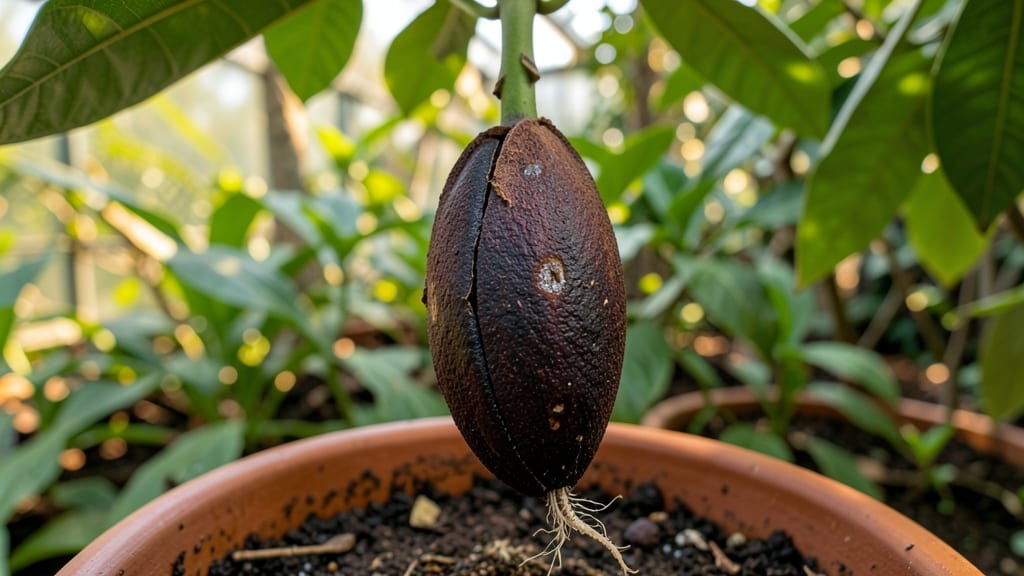
Growing a mango tree from a seed pod is simpler than you think—no greenhouse needed. 🌱 The paper towel trick speeds up germination so you’ll see sprouts in just 2-3 weeks, not months. I’ve grown three this way, and the first leaves always feel like a tiny victory.
You’ll need a ripe mango, a paper towel, a plastic bag, and patience (though not much). The secret is keeping the seed moist but not soggy—too wet and it rots; too dry and it never wakes up.
Most people mess this up by overwatering, but the paper towel method makes it foolproof. Once sprouted, transplant into soil when the roots are 1-2 inches long. Place it in bright, indirect light—no harsh sun yet—and expect slow growth at first.
It’ll take 3-5 years before you see flowers, and fruit? That’s a 10-year wait (but worth it for the bragging rights). This method works indoors or outdoors, though tropical climates give the best results.
Even if the tree never fruits where you live, the glossy leaves alone make it a stunning houseplant. Let’s get that seed growing!
📚 In This Guide
- What you need
- Instructions
- Tips and common mistakes
- Wrapping up and next steps
What you need
- ● 1-2 ripe mangoes (with seeds—pick firm, fresh ones for best results!) 🥭
- ● 1 paper towel (or coffee filter, unbleached)
- ● 1 plastic bag (ziplock or resealable, quart-sized)
- ● 1 small container (yogurt cup, egg carton, or seedling tray with drainage)
- ● Potting soil (well-draining, seed-starting mix preferred)
- ● Small spray bottle (for gentle watering)
- ● Knife or spoon (to extract the seed)
- ○ Ruler or measuring tape (optional, for tracking seed size)
- ● Label or marker (to track planting dates)
- ● Sunny windowsill or grow light (for germination)
- ● Patience! 🌱 (Germination can take 2-4 weeks)
- ● Humidity dome or clear plastic wrap (to retain moisture)
- ● Fertilizer (balanced, diluted for seedlings)
- ● Grow light (if natural light is limited)
- ● Thermometer (to monitor soil warmth, ideal: 75-85°F)
Step-by-step instructions for germinating a mango seed pod
Here’s the fast, foolproof way to coax a mango seed into sprouting—no fancy equipment needed.
🌱 Step 1: Extract and Clean the Seed
Cut open the mango pod with a sharp knife—scoop out the seed and rinse off any remaining fruit pulp. You’ll want to remove all traces of the sticky flesh, as it can rot before germination begins. I like to soak the seed in clean water for 10 minutes while I scrub it gently with my fingers to ensure it’s completely clean.
Pat the seed dry with a paper towel. This step is crucial because excess moisture trapped between the seed coat and the seed itself can lead to mold. A damp, but not wet, seed is ready for the next stage. If the outer shell feels slimy, repeat the rinsing and drying process until it’s smooth to the touch.
💧 Step 2: Use the Paper Towel Trick for Fast Germination
Fold a paper towel into a square and place the seed in the center. Dampen the towel with water—it should feel like a wrung-out sponge, not dripping. I like to use a spray bottle for this because it gives me better control over moisture levels. Wrap the seed tightly in the towel and place it inside a sealed plastic bag.
The bag creates a humid microclimate that mimics tropical conditions. Store the bag in a warm spot, like the top of your fridge or near a sunny window. You’ll see the first signs of germination in 7-14 days—a tiny white root will emerge first, followed by a sprout. Check the towel every 2-3 days and mist it lightly if it feels dry, but avoid overwatering.
☀️ Step 3: Plant the Sprouted Seed in Soil
Once the sprout reaches 1-2 inches tall, it’s time to transfer it to soil. Fill a small pot with well-draining potting mix and dig a hole just deep enough to cover the seed’s root but leave the sprout above ground. Gently press the soil around the seed to secure it without compacting it too tightly.
Water lightly until the soil is moist but not soggy. Place the pot in a warm, bright spot—70-80°F is ideal—but avoid direct sunlight at first. The seedling is fragile, and too much light can stress it. After a week, gradually introduce it to brighter conditions. You’ll notice new leaves forming in 2-4 weeks, signaling healthy growth.
🌿 Step 4: Care for the Seedling Long-Term
Keep the soil consistently moist but never waterlogged. Stick your finger 1 inch deep into the soil—if it feels dry, it’s time to water. Mango seedlings thrive in bright, indirect light, so a south-facing window is perfect. If you notice the leaves turning yellow or the stem stretching too tall, it’s a sign the seedling needs more light.
Once the seedling reaches 6-8 inches tall, you can transplant it to a larger pot or directly into the ground in a warm climate. Mango trees are tropical and need year-round warmth to flourish, so if you live in a cooler zone, keep it indoors near a sunny window or under grow lights. Patience is key—it can take 3-5 years before your tree bears fruit, but the journey is worth it.
Tips & tricks for germinating mango seeds
Here's what nobody tells you about getting your mango seed to sprout without the guesswork.
Cleanliness is Non-Negotiable: That 10-minute soak in Step 1 isn't just for convenience—it removes all traces of fruit pulp that could rot before germination begins. I've seen seeds mold within 48 hours when this step was skipped. If your seed feels slimy after drying, repeat the process until it's completely dry to the touch. Think of it as giving your seed a fresh start.
Moisture Control is Everything: The paper towel should be damp like a wrung-out sponge, not dripping wet. Too much moisture creates anaerobic conditions that lead to mold, while too little slows germination. I use a spray bottle because it gives me precise control—just enough to keep the towel evenly moist without soaking the seed. Check every 2-3 days and adjust as needed.
Location Matters More Than You Think: While the instructions mention warm spots, I've found that consistent warmth is key. The top of your fridge (around 70-80°F) works perfectly because it stays warm without direct sunlight that can overheat the seed. If your home is cooler, consider placing the bag near a heat source like a sunny window during the day, then moving it to a warmer spot at night.
Patience with a Timeline: Those 7-14 days for germination can feel like forever, but there's a method to the wait. The root emerges first because it needs to anchor before the shoot grows upward. Once you see that tiny white root, germination is well underway. Don't be tempted to peek too often—the humidity inside the bag is delicate, and opening it frequently can disrupt the process.
Pro Tips for Mango Seed Pod
- Here's what nobody tells you about getting your mango seed to sprout without the guesswork.
- Cleanliness is Non-Negotiable: That 10-minute soak in Step 1 isn't just for convenience—it removes all traces of fruit pulp that could rot before germination begins.
- Moisture Control is Everything: The paper towel should be damp like a wrung-out sponge, not dripping wet.
Frequently asked questions
Got questions about growing mango seed pods? You’re not alone! Here are some of the most common queries—and their straightforward answers—to help you get started with confidence.
How long does it take for a mango seed to sprout using the paper towel method?
A mango seed typically sprouts within 10–21 days when using the paper towel trick, depending on temperature and humidity. Keep the seed in a warm, moist environment (around 75–85°F) and check daily for signs of a tiny root or shoot. Patience is key—some seeds take longer, especially if stored dry!
What’s the best temperature for germinating a mango seed?
Mango seeds thrive in warmth! Aim for a consistent temperature between 75–85°F (24–29°C). If your home is cooler, place the seed near a sunny window or use a seedling heat mat. Avoid cold drafts or sudden temperature drops, which can stall germination. Think of it like giving your seed a cozy blanket!
Can I reuse the paper towel method for multiple seeds?
Yes, but with a twist! Each seed should get its own damp paper towel to prevent mold or cross-contamination. If you’re batch-germinating, label each seed (e.g., with a toothpick) to track progress. Pro tip: Rotate the seeds daily to ensure even moisture distribution—this keeps them happy and healthy!
What do I do if my mango seed starts to smell bad or mold grows?
If you notice a sour smell or fuzzy mold, act fast! Remove the seed from the paper towel, rinse it gently with water, and let it dry for 10–15 minutes. Then, place it in a fresh, damp paper towel. To prevent this, never soak the seed—keep it moist, not soggy. If mold persists, the seed may be compromised.
Is it better to plant the seed directly in soil or wait for the root to grow?
Wait for a 1–2 inch root before transplanting! Planting too soon can shock the seedling. Once the root is sturdy, transfer it to a small pot with well-draining soil. Keep the soil warm and moist, and place the pot in bright, indirect light. Direct soil planting is riskier because seeds often rot if conditions aren’t ideal.
Wrapping up and next steps
Growing a mango seed pod is a rewarding journey that connects you to nature’s sweetest surprises! 🌱 With just a little patience and the simple paper towel trick, you can nurture a tiny seed into a thriving plant.
Whether you’re dreaming of a backyard mango tree or just love the magic of watching life grow, this is your chance to turn a kitchen scrap into a lush green future.
Ready to take the next step? Plant your sprouted seed in soil and watch it flourish—your tropical oasis awaits! 🌴✨