
Lawn
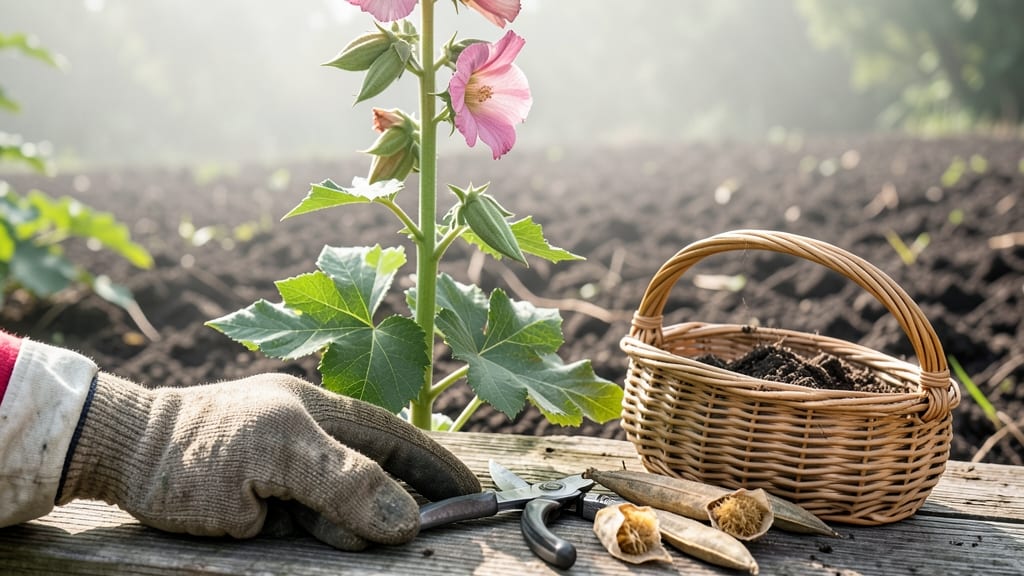
Edible seed pods from the mallow family turn your garden into a zero-waste pantry. 🌿 I’ve grown okra, hibiscus, and hollyhock for years, and the moment I realized their pods could be dried for year-round use changed everything—no more wasted harvests, just pure, homegrown potential.
The secret starts with the right varieties: okra for crisp pods, hibiscus for tart seeds, and hollyhock for ornamental-but-edible blooms. Plant in well-draining soil with full sun, and keep the soil consistently moist but not soggy.
Most pests avoid these plants, but watch for aphids—spray with soapy water if they appear.
Harvest pods when they’re firm but still tender, then dry them completely for storage. The flavor ranges from nutty (okra) to citrusy (hibiscus), and you’ll love how they add texture to soups, teas, or even homemade jams. A single plant can yield enough for months of storage.
This method works in any climate, from hot summers to mild winters. Start small—just one or two plants—and watch how your garden becomes a sustainable food source. Here’s how to make it work for you.
📚 In This Guide
- What you need
- Instructions
- Tips and common mistakes
- Wrapping up and next steps
What you need
- ● Fresh mallow family seed pods: Harvest 1–2 cups (about 100–200g) of fully mature, dry pods (e.g., okra, hibiscus, or hollyhock). Look for pods that are crisp and slightly papery—not soft or mushy!
- ● Kitchen shears or sharp scissors: A pair for cleanly trimming pods (avoid dull blades to prevent crushing seeds).
- ● Paper towels or clean cloth: For drying and removing debris.
- ● Small mixing bowl: Food-safe, for sorting seeds.
- ○ Fine-mesh strainer or sieve: To separate seeds from pod fibers (optional but helpful for bulk harvests).
- ● Air-tight glass jars or food-grade containers: 8–16 oz size, with tight-sealing lids (e.g., mason jars).
- ● Silica gel packets or rice: For absorbing moisture (place 1–2 packets or 1 tbsp rice per jar).
- ● Food dehydrator or oven: Set to 140°F (60°C) for 2–4 hours to dry pods thoroughly (skip if pods are already crisp).
- ● Mortar & pestle: For crushing large seeds into flour (if using for baking).
- ● Labeling supplies: Masking tape + marker to label jars with pod type and date.
- ● Glove: Lightweight gardening gloves to protect hands from prickly pods (e.g., hollyhock).
- ● Vacuum sealer: For long-term storage (extends shelf life to 1+ year).
How to harvest and store edible mallow seed pods
Let’s turn your mallow plants into a year-round resource with minimal effort.
🌿 Step 1: Identify and Select Mature Seed Pods
Wait until the seed pods turn from green to a dry, papery brown—this means they’re fully mature. I check pods weekly in late summer; they ripen faster in hot, dry weather. Gently twist or cut pods from the stem with clean scissors, leaving the plant intact for more harvests.
Discard any pods with holes or signs of pests—they won’t store well. A good pod feels light and crumbly when squeezed. Harvest on a dry morning to avoid moisture that speeds up spoilage.
🪴 Step 2: Dry the Pods for Long-Term Storage
Spread the pods in a single layer on a mesh screen or paper towel in a warm, dry place with good air circulation—like a sunny windowsill or well-ventilated pantry. Avoid direct sunlight, which can overheat and discolor them. Turn pods every 24 hours to ensure even drying.
They’re ready when completely dry and brittle—about 3-5 days depending on humidity. Store dried pods in a sealed glass jar or paper bag in a cool, dark place. Properly dried pods keep for up to 6 months.
⏰ Step 3: Prepare and Store Seeds for Planting
Once fully dried, open the pods and remove the seeds by hand or with a fine sieve. I like to rub the pods between my fingers over a bowl to catch every seed. Discard empty husks and any seeds that look shriveled or discolored.
Store seeds in a labeled envelope or small jar with a desiccant packet to absorb moisture. Keep them in the fridge for 2-3 years for best viability. Test a few seeds annually to confirm they’re still good to plant.
💧 Step 4: Use or Preserve the Pods Themselves
For immediate use, lightly toast whole dried pods in a dry skillet over medium heat for 2-3 minutes until fragrant. They make a nutty, earthy addition to teas or broths. Alternatively, grind the pods into a powder for baking or seasoning blends.
If you prefer, freeze whole pods in small batches for later use. Simply place them in a single layer on a tray, freeze solid, then transfer to a sealed bag. Frozen pods stay fresh for up to 6 months without losing flavor.
Tips & tricks for perfect mallow seed pod preservation
These simple strategies will help you maximize your mallow harvest without any wasted effort.
Selection Tip: In Step 1, I've found that harvesting pods in the early morning gives you the best results. The dew helps clean the pods naturally, and the cooler temperatures prevent them from wilting or absorbing too much moisture from the air. If you're harvesting later in the day, wait until the pods have dried slightly to avoid any stickiness that can encourage mold growth.
Drying Strategy: When drying your pods in Step 2, I recommend using a mesh screen or even an old window screen with a thin towel underneath. This creates airflow from both sides, which is crucial for even drying. If you live in a humid climate, consider using a small fan on low setting to circulate air—this can cut your drying time from 5 days down to just 3 days. Just be careful not to blow directly on the pods, as this can cause them to scatter.
Storage Wisdom: For Step 3, I've learned that labeling your seed storage containers with the harvest date is a game-changer. Mallow seeds can lose viability over time, and knowing exactly when you stored them helps you track freshness. I also like to add a small piece of rice paper with each batch—it absorbs any residual moisture better than a desiccant packet alone, especially for small quantities.
Usage Hack: In Step 4, when toasting your pods for immediate use, I've discovered that adding a pinch of sea salt to the skillet enhances their nutty flavor. For baking applications, you can grind the dried pods into a fine powder and mix them into cookie dough or bread batter at a ratio of 1 teaspoon powder per cup of flour. This adds a subtle earthy note that pairs beautifully with sweet treats.
Pro Tips for Mallow Family Edible Seed Pods
- These simple strategies will help you maximize your mallow harvest without any wasted effort.
- Selection Tip: In Step 1, I've found that harvesting pods in the early morning gives you the best results.
- Drying Strategy: When drying your pods in Step 2, I recommend using a mesh screen or even an old window screen with a thin towel underneath.
Frequently asked questions
about harvesting and storing mallow family edible seed pods—here’s what you need to know!Can I eat mallow seed pods raw, or do they need preparation?
Most mallow seed pods (like okra or hibiscus) are best cooked or dried to improve texture and digestibility. Raw pods can be tough or slightly bitter. Lightly sautéing, pickling, or drying them enhances flavor and removes any potential irritants. Always wash thoroughly before use!
How long do harvested seed pods last before they spoil?
Freshly picked pods last 3–5 days in the fridge if stored in a paper towel-lined container. For long-term storage, dry them completely (1–2 weeks in a warm, dark place) or freeze them in airtight bags. Dried pods keep for 6–12 months—perfect for zero-waste pantries!
What’s the best way to tell if a seed pod is ripe for harvesting?
Look for firmness and color changes: pods should be fully swollen but not woody, and their color should deepen (e.g., okra turns glossy green, hibiscus turns brownish). Gently squeeze—if it’s too soft, it’s overripe; if it’s hard, wait a day or two. Harvest in the morning for peak freshness!
Are there non-edible mallow pods I should avoid?
Yes! Some mallow family members (like Sida species or Malva neglecta) have toxic or irritating pods. Stick to edible varieties like okra, hibiscus, or marshmallow root pods. When in doubt, research the plant thoroughly or consult a local foraging guide.
What are the easiest ways to cook or preserve these pods?
Try these simple methods:
- Sautéing: Lightly fry in oil with garlic and spices (great for okra).
- Pickling: Soak in vinegar, sugar, and spices for tangy snacks.
- Drying: Slice thinly, dry at 170°F (77°C) for 4–6 hours, then store in jars.
- Powdering: Grind dried pods into a flour for soups or baking.
Experiment to find your favorite!
Wrapping up and next steps
Harvesting edible seed pods from the mallow family isn’t just a clever way to reduce waste—it’s a sustainable, zero-waste skill that connects you to nature’s bounty year-round. 🌱 From okra to hollyhock, these versatile pods offer flavor, nutrition, and long-term storage potential, proving that even your lawn can be a pantry.
Whether you’re a gardener or a curious forager, start small: identify, harvest, and experiment—then share your discoveries with fellow green thumbs!
Next step: Try growing one mallow-family plant this season and document your harvest. Your kitchen—and the planet—will thank you!