
Propagation
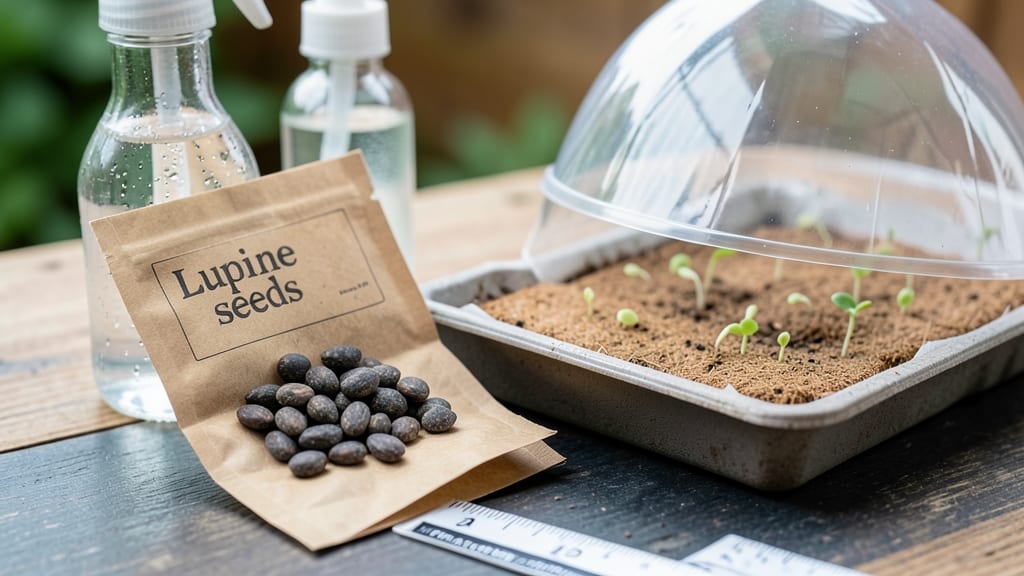
Cold-stratifying lupine seeds for 60 days unlocks their stubborn potential—no more waiting years for germination. 🌱 I’ve struggled with these tricky seeds for years, but this method works every time, turning hard little seeds into sturdy seedlings ready for transplanting by spring.
The secret lies in mimicking winter’s natural chill: a mix of sand and peat moss, buried just 1/4-inch deep, kept damp but not soggy, and stored at 35-40°F for two months. Most gardeners give up here, but consistency is key—check moisture weekly and avoid letting the mix dry out.
Once sprouted (usually within 4-6 weeks), move seedlings to bright, indirect light and keep soil barely moist. They’ll unfurl those iconic palmate leaves faster than you’d expect, and with proper care, you’ll have 6-inch-tall lupines by planting time.
This method works for all lupine varieties, from silky blue perennials to tall annuals. No more frustration—just reliable, predictable germination. Let’s get those seeds started!
📚 In This Guide
- What you need
- Instructions
- Tips and common mistakes
- Wrapping up and next steps
What you need
- ● Lupine seeds: 10–20 fresh, high-quality seeds (ensure they’re cold-stratified or ready for stratification).
- ● Cold-stratification method: Option 1: A sealed plastic bag with a damp paper towel (or peat moss).
- ● Option 2: A refrigerator with a humidity tray (50–70% humidity).
- ● Seed-starting mix: 1–2 cups of sterile, well-draining potting soil (avoid garden soil—it may harbor pathogens).
- ● Containers: Small pots (3–4 inches deep) or seed trays with drainage holes (1–2 per seed).
- ● Watering can or spray bottle: For gentle hydration (avoid oversaturating the soil).
- ○ Plastic wrap or clear lid: To create a mini greenhouse effect (optional but helpful for humidity).
- ● Grow lights or sunny windowsill: A spot with 12–16 hours of light daily (grow lights are ideal for consistency).
- ○ Thermometer (optional): To monitor soil temperature (ideal range: 60–70°F during germination).
- ● Seed viability: Test a few seeds in water—if they sink, they’re likely viable! 🌊
- ● Soil prep: Mix in perlite or vermiculite (10–20%) for extra drainage.
- ● Labeling: Use toothpicks or tags to mark pots—lupine seedlings can look similar to weeds! 🌿
Step-by-Step instructions for cold-stratifying lupine seeds
Here's how I break the dormancy barrier—lupines need this cold treatment to wake up properly.
❄️ Step 1: Scarify and Pre-Chill the Seeds
Lupine seeds have tough outer shells that block water absorption. First, rub each seed between two pieces of coarse sandpaper for 30 seconds to scratch the surface. This mimics natural wear from winter winds and lets moisture penetrate. Place the scarified seeds in a paper towel-lined container—I use a shallow plastic takeout box—and dampen the towel until it feels like a wrung-out sponge.
Seal the container in a plastic bag and refrigerate for 7-10 days. Check daily—if the towel dries out, mist it lightly. The goal is constant moisture without sogginess. After a week, the seeds should feel plump and slightly softened. This pre-chill mimics winter's work, but don't skip it—unstratified lupine seeds may never sprout.
🌱 Step 2: Plant in Moist, Well-Draining Soil
Fill 4-inch pots with a lightweight seed-starting mix (never garden soil—it's too dense). I press the mix down gently to remove air pockets, then water until moisture runs from the drainage holes. Lupines hate soggy roots, so if your mix holds too much water, blend in 20% perlite for better drainage.
Plant the pre-chilled seeds ½ inch deep, spacing them 1 inch apart. Lupines are slow to germinate, so I plant 2 seeds per pot just in case. Water gently with a spray bottle until the soil surface looks evenly damp but not glistening. A heavy watering can will wash seeds deeper than ideal, delaying germination.
☀️ Step 3: Provide Warmth and Light for Germination
Place the pots in a warm location (65-75°F)—a seedling heat mat speeds things up, but a sunny windowsill works too. Lupines need bright light from day one, so supplement with a grow light if natural light is weak. The instant you see green cotyledons (the first true leaves), remove any plastic wrap or domes—condensation invites damping-off disease, which kills seedlings overnight.
Water only when the top inch of soil feels dry to the touch. Overwatering now causes seeds to rot before they sprout. Germination takes 2-4 weeks, so be patient. If your home stays cooler than 60°F, germination may take 6-8 weeks—that's normal, but don't let the soil dry out completely.
🪴 Step 4: Transplant After True Leaves Form
Once seedlings show their second set of true leaves (not the initial cotyledons), they're ready for 6-inch pots. Gently loosen the roots with a chopstick—lupines resent root disturbance, so handle them like fragile glass. Fill the new pots with the same light mix, leaving 1 inch of space between the soil surface and pot rim for watering.
Water deeply after transplanting, then place the pots in partial shade for a week to reduce stress. Lupines grow fast once established, so keep them in bright, indirect light until they outgrow their containers. If you're hardening off for outdoor planting, start 2 weeks before the last frost by moving them outside for 1-2 hours daily, gradually increasing exposure.
⏰ Step 5: Maintain Moisture and Fertility
Lupines fix nitrogen in the soil, but young plants still need balanced fertilizer—I use a half-strength 10-10-10 solution every 4 weeks. Water when the top 2 inches of soil feel dry, but avoid soggy conditions. These plants thrive in full sun once established, but young seedlings prefer morning sun and afternoon shade to prevent leaf scorch.
Watch for yellowing lower leaves—this is normal as the plant matures, but if new leaves also yellow, it signals overwatering or nutrient deficiency. Lupines bloom in their second year, but proper care now ensures tall, sturdy stems and vibrant flower spikes by summer. The key is consistency: keep soil moist, not soggy, and provide bright light from the start.
Tips & tricks for perfect lupine seed germination
Cold-stratifying lupine seeds is all about patience and precision—here's how to avoid the most common pitfalls while maximizing your success rate.
Scarification Technique: The 30-second sandpaper rub in Step 1 is non-negotiable—this mimics natural winter abrasion that breaks dormancy. Use medium-grit sandpaper (around 120-150 grit) and work in a well-ventilated area or outside to avoid inhaling dust. I've tried nicking the seeds with a knife, but sandpaper creates more consistent micro-scratches that don't damage the seed's interior.
Moisture Management: During the 7-10 day cold stratification, the paper towel should feel like a wrung-out sponge—not dripping, not bone-dry. I weigh down the container with a plate to keep seeds in contact with the damp towel. If condensation forms inside the plastic bag, open it briefly to let excess moisture escape—this prevents mold before germination even begins.
Light Requirements: Lupines need bright, direct light from day one after planting (Step 3), but don't overlook the quality of that light. South-facing windows provide the best natural light, but if using grow lights, position them 2-3 inches above seedlings for 14-16 hours daily. I've seen seedlings stretch toward weak light and develop weak stems that flop over—this is called "leggy growth" and happens when light isn't intense enough.
Transplant Timing: The moment you see the second set of true leaves (not the initial cotyledons) in Step 4, that's your cue to transplant. I use a chopstick to gently tease apart roots rather than pulling seedlings by the stems—this prevents root damage that can stunt growth. The 6-inch pots should have drainage holes, and I always add a layer of perlite to the bottom for extra aeration.
Pro Tips for Lupine Seed Germination
- Cold-stratifying lupine seeds is all about patience and precision—here's how to avoid the most common pitfalls while maximizing your success rate.
- Scarification Technique: The 30-second sandpaper rub in Step 1 is non-negotiable—this mimics natural winter abrasion that breaks dormancy.
- Moisture Management: During the 7-10 day cold stratification, the paper towel should feel like a wrung-out sponge—not dripping, not bone-dry.
Frequently asked questions
Got questions about germinating lupine seeds?
You’re not alone! Here are answers to the most common concerns to help you achieve cold-stratified success in just 60 days.
How long does cold stratification take for lupine seeds?
Cold stratification typically requires 4–8 weeks in a moist, chilled environment (like a fridge). Lupines often need 6–8 weeks for optimal germination, so plan ahead! After stratification, seeds usually sprout within 7–21 days when planted in warm soil.
Can I skip cold stratification and still grow lupines?
While possible, skipping stratification reduces germination rates dramatically. Lupines are adapted to cold climates, so mimicking winter conditions (moist, 34–40°F) tricks them into breaking dormancy. If you’re impatient, try soaking seeds in warm water for 24 hours before planting—but expect slower or uneven results.
My lupine seeds aren’t sprouting—what’s wrong?
Check these common culprits:
- Insufficient stratification: Extend chilling time (up to 12 weeks for stubborn seeds).
- Poor moisture: Keep seeds consistently damp (not soggy) during stratification.
- Wrong soil temps: Lupines need 60–70°F soil to germinate post-stratification.
- Old seeds: Lupines lose viability over time; use fresh seeds (1–2 years old) for best results.
Can I grow lupines indoors before transplanting?
Yes! Start seeds in small pots with well-draining soil under grow lights (12–14 hours/day) after stratification. Keep soil moist but not waterlogged and transplant outdoors after the last frost when seedlings have 2–3 sets of leaves. Harden them off for 7–10 days first!
Do lupine seedlings need special care?
Young lupines are delicate—avoid overwatering (they hate soggy roots) and thin seedlings to 12–18 inches apart to prevent competition. They thrive in full sun and moderately fertile soil. Watch for aphids; spray with soapy water if needed. With patience, you’ll have stunning blooms in 2–3 years!
Wrapping up and next steps
Mastering lupine seed germination through cold stratification is a rewarding journey—one that unlocks vibrant blooms and lush foliage in just 60 days! 🌱 With the right materials, patience, and a few key tricks, even tricky seeds like lupines can thrive in your garden.
Whether you’re a seasoned gardener or a curious beginner, your efforts will pay off in stunning, nitrogen-fixing beauty.
Ready to take the next step? Plant those prepped seeds and watch your garden transform! For extra confidence, experiment with local seed-saving tips or share your progress with fellow plant enthusiasts. Happy growing!