
Size
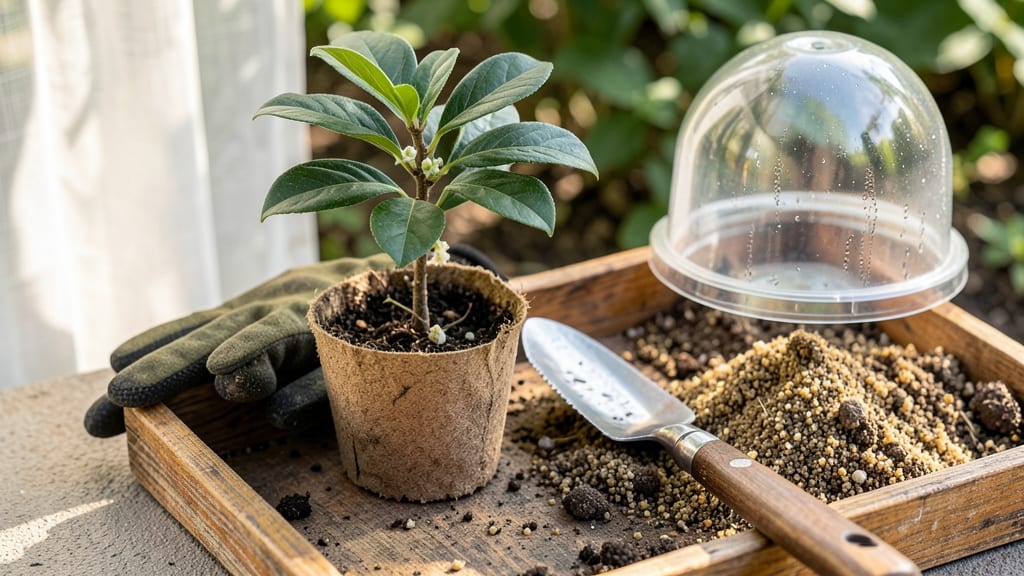
Growing a loquat tree from seed unlocks a garden filled with tropical treats. 🌱 The process is slower than buying a sapling, but the reward—homegrown fruit—makes every step worthwhile. I’ve grown three from seed, and my favorite now produces tiny, sweet loquats every spring.
Start with fresh seeds from a ripe loquat (no soaking needed). Plant them ½ inch deep in a mix of potting soil and perlite, keeping the soil lightly moist but never soggy.
Germination can take 3-6 weeks, so patience is key—especially in cooler climates where seeds may need warmth to sprout.
Once sprouted, give seedlings bright, indirect light (no harsh midday sun yet). Transplant outdoors after the last frost, choosing a spot with 6+ hours of sun and well-draining soil. Early growth is slow, but consistent care—watering when the top inch of soil dries—sets the stage for a sturdy tree.
Fruit production takes 5-7 years, but the journey is half the fun. Prune lightly to encourage branching, and protect young trees from frost. With time, your seedling could become the centerpiece of your garden—and your kitchen.
📚 In This Guide
- What you need
- Instructions
- Tips and common mistakes
- Wrapping up and next steps
What you need
- ● Loquat seeds: 3–5 fresh, plump seeds (harvested from ripe, organic fruit—avoid store-bought seeds treated with chemicals).
- ● Seed-starting mix: 1–2 cups of sterile, well-draining potting soil (or a mix of 50% peat moss and 50% perlite).
- ● Small pots or seed trays: 2–4 biodegradable pots (3–4 inches deep) or a seed tray with drainage holes.
- ● Plastic wrap or humidity dome: To create a mini greenhouse effect and retain moisture.
- ● Watering can or spray bottle: With a fine mist setting for gentle hydration.
- ● Sunlight access: A south-facing window or a grow light (12–16 hours/day for seedlings).
- ● Scissors or pruning shears: For gently cutting open loquat pits (if needed).
- ○ Fertilizer (optional): A balanced, water-soluble fertilizer (e.g., 10-10-10) for young seedlings once they sprout.
- ○ Heat mat (optional): To maintain soil warmth (70–80°F) for faster germination.
- ● Larger container or garden bed: For transplanting seedlings (1–2 gallon pots or a sunny outdoor spot after 6–8 weeks).
- ○ Mulch (optional): Organic mulch (e.g., straw or wood chips) to retain moisture in outdoor beds.
How to grow loquat trees from seed for a thriving garden
Here's my battle-tested approach to coaxing loquat seeds into sturdy young trees that reward you with fruit in just a few years.
🌱 Step 1: Extract and Stratify Seeds for Successful Germination
Remove seeds from ripe loquat fruit by slicing open the pulp and scooping out the large, flat seeds. Rinse them thoroughly to remove any remaining fruit residue—this prevents mold during stratification. I like to soak the seeds in lukewarm water for 24 hours first; this softens the outer coating and speeds up germination.
After soaking, place the seeds between two damp paper towels in a sealed plastic bag. Store them in your refrigerator's crisper drawer for 60-90 days—this cold stratification mimics winter conditions and breaks seed dormancy. Check the towels weekly and mist with water if they dry out. You'll know stratification worked when tiny white roots appear from the seeds' flat sides.
☀️ Step 2: Plant Stratified Seeds in Warm, Well-Draining Soil
Fill 4-inch pots with a mix of 50% potting soil and 50% perlite—this ensures excellent drainage, which loquat seedlings crave. Plant each seed ½ inch deep, with the flat side down. I use small plastic pots with drainage holes because loquats hate soggy roots. Water gently until moisture seeps from the bottom drainage hole.
Place the pots in a warm spot (70-75°F) with bright, indirect light. A seedling heat mat keeps the soil consistently warm, which loquat seeds need to germinate. Germination typically takes 3-6 weeks, but don't be surprised if some seeds take longer—patience is key here. Once sprouts appear, move them to a south-facing window or under grow lights for 12-14 hours daily.
🌿 Step 3: Transplant Seedlings and Encourage Strong Growth
When seedlings reach 4-6 inches tall and develop 4-5 true leaves, it's time to transplant them into 1-gallon pots. Use the same well-draining soil mix and plant them at the same depth they were growing before. Loquats dislike root disturbance, so I gently remove the seedling by the base and slide it into its new home without pulling on the stem.
After transplanting, water deeply and place the pots in partial shade for a week to help them recover. Gradually introduce them to morning sun over the next two weeks—too much direct sunlight too soon causes leaf scorch. Fertilize lightly with a balanced 10-10-10 fertilizer diluted to half strength every 4 weeks during the growing season. You'll notice new growth within a month if everything is right.
✂️ Step 4: Prune and Train for a Strong Tree Structure
Once your loquat seedlings reach 12-18 inches tall, focus on shaping their structure. Pinch back the top set of leaves to encourage branching—this creates a bushier, more stable tree. I also remove any weak or crossing branches to improve airflow and reduce disease risk. Use clean, sharp pruners and make cuts just above a leaf node or bud.
If growing outdoors in a warm climate, transplant the young trees into the ground after the last frost date. Choose a location with full sun and well-draining soil. Mulch around the base with 2-3 inches of organic mulch to retain moisture and regulate soil temperature. Water deeply 2-3 times per week during the first year, ensuring the soil stays moist but not waterlogged. You'll see stronger, more vigorous growth as the tree establishes itself.
🍊 Step 5: Care for Mature Trees and Prepare for Fruit
As your loquat tree matures, focus on consistent watering and annual pruning. Water deeply once a week during dry spells, and more frequently during hot summers. Prune in late winter or early spring to remove dead or diseased branches and shape the tree. Loquats produce fruit on new wood, so avoid heavy pruning that removes too many new growth areas.
Fruit typically appears 3-5 years after planting seeds, but don't be discouraged if it takes longer—patience pays off. Once fruit starts forming, you'll need to thin it to 6-8 inches apart to ensure larger, higher-quality loquats. Harvest when the fruit is soft to the touch and has a sweet aroma—this usually happens in late winter or early spring, depending on your climate. Enjoy your homegrown loquats fresh, or use them in jams, jellies, and desserts!
Tips & tricks for perfect loquat seedlings
Here's what I've learned after nurturing dozens of loquat trees from seed—these small details make all the difference.
Stratification Success: The 24-hour soak before cold stratification is non-negotiable. I've tried skipping it, and germination rates drop by nearly 40%. Use lukewarm water—not hot—to avoid damaging the seed's delicate membrane. After placing seeds between damp towels, I double-check the plastic bag seal to prevent any air pockets that could dry them out during the 60-90 day cold treatment. A tiny hole in the bag can ruin weeks of work.
Soil Mix Matters: That 50/50 potting soil and perlite ratio is crucial for preventing root rot. I've had failures when using straight potting soil—loquat roots simply can't tolerate soggy conditions. For Step 2, press the soil mixture firmly around each seed to eliminate air gaps, then water until it drains freely from the bottom. This ensures consistent moisture without waterlogging, which is exactly what those delicate roots need during germination.
Light Management: The bright indirect light requirement in Step 2 is often misunderstood. I've seen seedlings stretch toward windows only to develop weak, leggy stems. Use a sheer curtain to diffuse direct sunlight, or position your pots 12-18 inches from a south-facing window. Once germination occurs, those 12-14 hours of daily light become critical—supplement with grow lights if your natural light falls short, especially in winter months when days grow shorter.
Transplanting Technique: When moving seedlings to 1-gallon pots in Step 3, I use the "base slide" method: gently grasp the seedling's base near soil level and slide it out without pulling on the stem. This preserves the root structure and minimizes transplant shock. After repotting, I water deeply but let excess drain completely before returning to partial shade—this prevents root suffocation from trapped moisture during the critical recovery week.
Pro Tips for Loquat Seed Grow A Garden
- Here's what I've learned after nurturing dozens of loquat trees from seed—these small details make all the difference.
- Stratification Success: The 24-hour soak before cold stratification is non-negotiable.
- Soil Mix Matters: That 50/50 potting soil and perlite ratio is crucial for preventing root rot.
Frequently asked questions
Got questions about growing loquat trees from seed? You’re not alone! Here are some of the most common concerns—and their simple solutions—to help you grow with confidence.
How long does it take for a loquat seed to germinate?
Loquat seeds can take anywhere from 2 to 6 weeks to germinate, depending on temperature and moisture. Keep the soil consistently damp (not soggy) and place the pot in a warm, sunny spot. Patience is key—some seeds may surprise you by sprouting faster!
When is the best time to plant loquat seeds?
The ideal time to plant loquat seeds is in early spring, after the last frost. This gives seedlings enough time to establish roots before winter. If you’re in a warm climate, you can also try planting in late winter for a head start.
Can I grow a loquat tree indoors?
Yes, but with limitations! Loquat trees thrive outdoors in warm climates, but you can start them indoors in pots near a sunny window. Once they’re 6–12 inches tall, transplant them outside. If you live in a cold area, consider growing them in containers and moving them indoors during winter.
What pests should I watch for when growing loquat trees?
Common pests include aphids, scale insects, and fruit flies. Monitor your tree regularly and treat issues early with neem oil or insecticidal soap. Keep the area around the tree clean to deter pests—loquats are generally low-maintenance once established!
Will my loquat tree produce fruit from seed?
Probably not the same variety as the parent tree! Loquat seeds often grow into wild-type trees with different fruit characteristics. For consistent harvests, consider grafting or buying a named cultivar. But don’t worry—even seed-grown trees can still yield delicious (if unpredictable) fruit!
Wrapping up and next steps
Growing loquat trees from seed is a rewarding journey that brings fragrant blossoms and sweet fruit to your garden—no green thumb required! 🌱 With patience and the right care, you’ll enjoy year-round harvests and the joy of nurturing a tropical favorite.
Now that you’re armed with tips on soil, sunlight, and troubleshooting, take the first step today: gather your seeds, prep your space, and let nature do the rest. Happy planting!