
Lawn
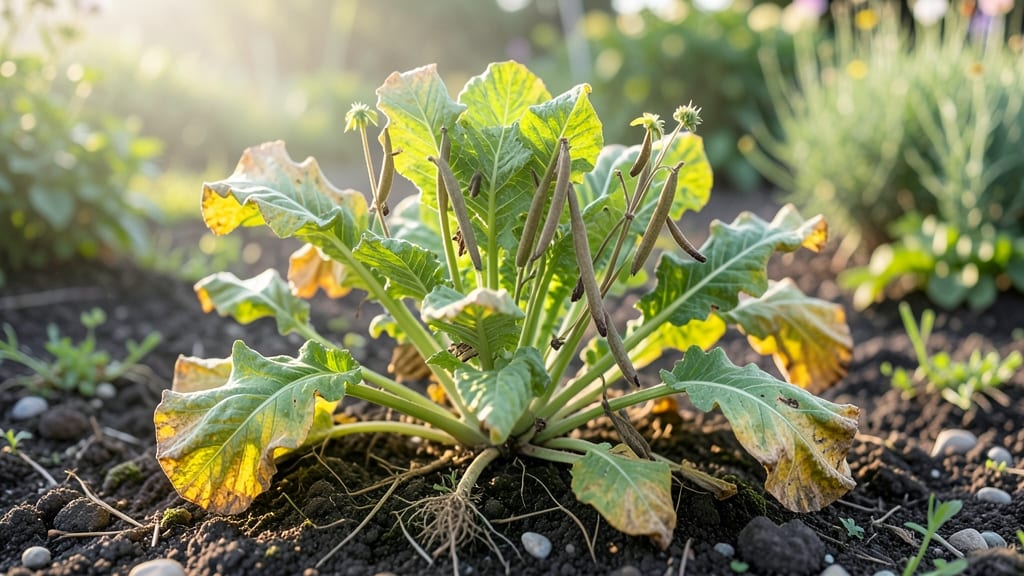
Saving lettuce seed pods turns your garden's scraps into next year's harvest. 🌱 The secret to viable seeds lies in letting your lettuce bolt—something most home gardeners rush to stop.
But with a little patience, you can transform those bitter leaves into a treasure trove of seeds that'll bring fresh greens to your table again.
The process starts with letting your lettuce go to seed, which means resisting the urge to harvest those outer leaves once the plant sends up its flower stalk. Once the seed pods form—those little brown cases where seeds develop—you'll need to dry them properly to prevent mold.
A paper bag works perfectly for this, letting air circulate while keeping pests out.
By the time you're ready to plant again, you'll have a stash of seeds that outperform anything you could buy. These homegrown seeds adapt perfectly to your local climate, meaning stronger, hardier plants that resist the pests and diseases store-bought seeds often struggle with.
Plus, there's something deeply satisfying about watching your garden come full circle.
Even if your lettuce bolts unexpectedly, don't panic—this method works with any variety. The key is timing: harvest pods when they turn brown but before they split open.
Store them in a cool, dry place, and you'll be ready to sow again in just a few months, with zero waste and maximum reward.
📚 In This Guide
- What you need
- Instructions
- Tips and common mistakes
- Wrapping up and next steps
What you need
- ● Mature lettuce plants: Choose healthy, bolted (flowering) lettuce varieties like Looseleaf or Romaine (avoid heat-sensitive types). Quantity: At least 3–5 plants for a small batch.
- ● Clean, sharp scissors or pruning shears: For harvesting seed pods without damaging stems. Spec: Disinfect with rubbing alcohol before use.
- ● Paper bags or breathable mesh bags: Quantity: 1–2 per plant to collect pods. Avoid plastic to prevent moisture buildup.
- ● Drying tray or screen: A flat, elevated surface (e.g., a wire rack or cardboard box with holes) to air-dry pods.
- ● Labeling tags & permanent marker: To track varieties and harvest dates.
- ○ Glove: Protects hands from prickly stems (optional but recommended!).
- ● Fine-mesh sieve or colander: For separating seeds from dried chaff after harvesting.
- ● Seed envelopes or glass jars: For long-term storage (e.g., Mason jars with silica gel packets).
- ○ Humidity monitor (optional): Ideal for indoor drying—aim for 30–40% humidity to prevent mold.
- ● Notebook: Jot down growing conditions (soil, sunlight) for future reference!
Step-by-Step guide to harvesting lettuce seed pods
Here's how to turn your spent lettuce plants into next year's seeds—simple, rewarding, and completely zero-waste.
🌱 Step 1: Identify and Allow Lettuce to Bolt
Lettuce bolts when it senses warm days and long sunlight. Let the plant continue growing until you see tall flower stalks emerge from the center—this is your signal to start the seed-saving process. I usually wait until the flower stalks reach 6-12 inches tall before harvesting, as shorter stalks may not produce fully viable seeds.
Watch for the first yellow flower buds to open at the top of the stalk. These buds will eventually transform into seed pods. If your lettuce heads bolt too early (before you're ready), you can slow it down by moving plants to partial shade and reducing water slightly—but know that early bolting often means smaller seed yields.
☀️ Step 2: Harvest Mature Seed Pods at Peak Ripeness
Once the flowers have fully bloomed and begun to wilt, the seed pods will form along the stalk. Harvest pods when they turn from green to light brown and feel dry to the touch—this usually happens 4-6 weeks after flowering. You'll notice the pods easily detach from the stalk when gently tugged.
I like to harvest on a dry, sunny morning when the pods are fully mature but before they scatter seeds on their own. Simply pinch or cut the pods from the stalk and place them in a paper bag. Label the bag with the lettuce variety and harvest date—this helps track which seeds you've collected for future planting.
🪴 Step 3: Dry and Store Seed Pods Properly
Spread the harvested seed pods on a clean, dry surface in a single layer. Place them in a warm, dry spot with good airflow—like a sunny windowsill or a well-ventilated shelf—for 1-2 weeks. The pods need to dry completely before storing, so check daily for any signs of moisture or mold.
Once fully dry, the pods should rattle when shaken, indicating seeds are loose inside. To extract the seeds, gently crush the pods with your fingers or roll them over a piece of paper. Store the seeds in a small envelope or airtight container in a cool, dark place. Properly stored, lettuce seeds remain viable for 3-5 years.
⏰ Step 4: Test Seed Viability Before Planting Next Year
Before you plant your saved seeds, test a few to ensure they're still good. Place 10 seeds between two damp paper towels in a sealed plastic bag. Keep them in a warm spot (65-75°F) and check daily. If most seeds sprout within 7-14 days, your seeds are viable and ready for planting.
If germination rates are low, don't worry—lettuce seeds often lose viability over time. Simply plant more seeds to compensate. I always label my seed packets with the year saved, as older seeds may take longer to germinate or produce slightly less vigorous plants.
Tips & tricks for perfect lettuce seed pod harvesting
Turning your spent lettuce plants into next year's seeds is easier than you think—here's how to avoid common pitfalls and maximize your yield.
Timing is Everything: In Step 1, when those flower stalks reach 6-12 inches, don't rush the harvest. The pods need that full 4-6 weeks after flowering (Step 2) to mature properly. I've learned this the hard way—harvesting too early means tiny, underdeveloped seeds that won't germinate well. Wait until those pods feel dry and rattle slightly when shaken.
Harvest Strategy: For Step 2, I recommend harvesting on a dry morning when humidity is low. This prevents premature seed scattering and makes handling easier. Place your paper bag under the plant while harvesting to catch any stray pods that might drop. Labeling your bags immediately with the variety and date saves headaches later—trust me, you'll forget which seeds are which after a few weeks!
Drying Secrets: The 1-2 week drying period in Step 3 is crucial for seed viability. I spread my pods on a wire cooling rack over a baking sheet for better airflow. Check daily for moisture—any dampness means more drying time. Once fully dry, store them in a cool, dark place to preserve viability for up to 5 years. Pro tip: Add a small silica gel packet to your storage container for extra moisture protection.
Viability Test: Before planting, test those 10 seeds from Step 4 in a warm spot (65-75°F). If germination takes longer than 14 days, your seeds may be aging. I've found that older seeds often need slightly warmer temperatures (up to 80°F) to encourage sprouting. Don't be discouraged—even low germination rates can still give you a good harvest if you plant extra seeds.
Pro Tips for Lettuce Seed Pods
- Turning your spent lettuce plants into next year's seeds is easier than you think—here's how to avoid common pitfalls and maximize your yield.
- Timing is Everything: In Step 1, when those flower stalks reach 6-12 inches, don't rush the harvest.
- Harvest Strategy: For Step 2, I recommend harvesting on a dry morning when humidity is low.
Frequently asked questions
Got questions about harvesting lettuce seed pods? You’re not alone! Here are answers to the most common queries to help you master zero-waste gardening and grow your own lettuce next season.
How do I know when lettuce seed pods are ready to harvest?
Lettuce seed pods are ready when they turn tan or light brown and feel dry to the touch—usually 4–6 weeks after flowering. If you tap them, seeds should rattle inside. Harvest on a dry day to avoid moisture issues.
Can I save seeds from store-bought lettuce?
Not reliably! Store-bought lettuce is often hybridized for uniformity, meaning seeds may not grow true to the parent plant. Stick to heirloom or organic varieties labeled "seed-saving friendly" for best results.
What’s the best way to dry lettuce seed pods?
Spread pods in a single layer on a paper towel or mesh screen in a warm, dry, and well-ventilated spot (like a sunny windowsill or dehydrator at 95°F). Avoid direct sunlight to prevent overheating. They’re dry when seeds rattle inside—usually 1–2 weeks.
Why are my lettuce seed pods getting eaten or damaged?
Pests like aphids, slugs, or birds love fresh seed pods. Protect them with row covers or neem oil. If pods are already damaged, remove them immediately to prevent mold or seed loss.
How should I store lettuce seeds for next year?
Once fully dry, store seeds in paper envelopes or airtight containers with a desiccant packet in a cool, dark place (like a fridge). Label them with the variety and date—most stay viable for 2–3 years if stored properly.
Wrapping up and next steps
Growing lettuce seed pods is a rewarding way to reduce waste and ensure a fresh supply of greens year after year! 🌱 By saving and drying your lettuce seeds, you’re not only embracing sustainability but also cutting costs and connecting with the natural cycle of your garden.
Whether you’re a seasoned gardener or just starting out, this simple process opens the door to endless possibilities—imagine harvesting your own seeds and watching new plants sprout from them!
Ready to take the next step? Start small—save seeds from just a few lettuce plants this season, experiment with drying methods, and soon you’ll be a pro at zero-waste gardening. Happy growing! 🌿