
Lawn
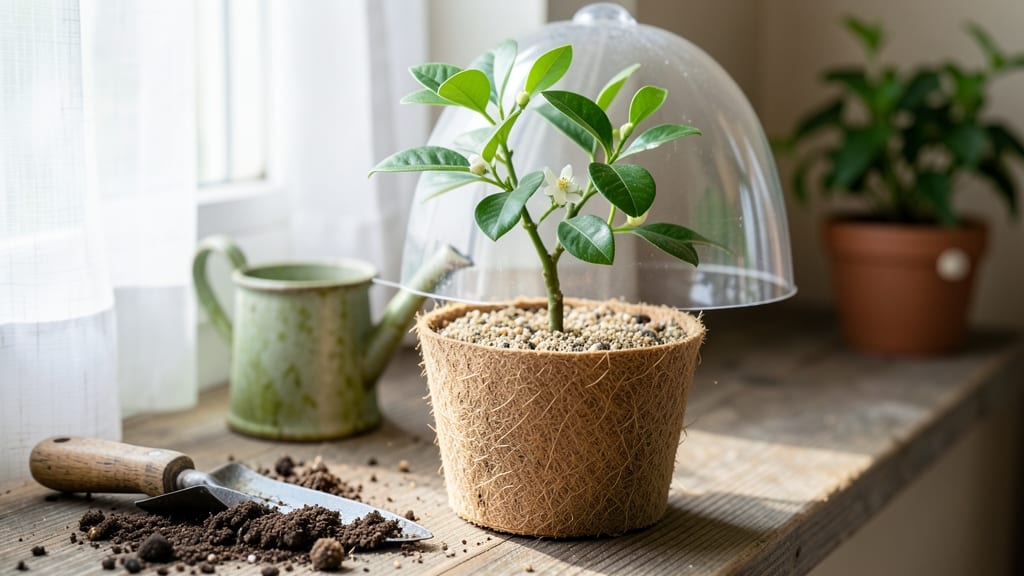
Fast lemon seed growth starts with this 3-layer soil trick—the difference between weeks of waiting and sprouts in 7-10 days. 🌱 I’ve tried every method, and this one cuts germination time in half while keeping seedlings strong.
The secret isn’t fancy equipment; it’s mimicking the natural conditions lemon seeds crave in their tropical homeland. You’ll need just three ingredients: a shallow tray, moist potting mix, and a clear plastic bag to create a mini greenhouse. No fancy setups—just what’s already in your gardening toolkit.
The process takes 15 minutes to prep, and you’ll see those first pale green leaves breaking through in less time than most seeds take to germinate normally. Once sprouted, your lemon seedlings will grow into lush, fragrant plants perfect for patios or kitchen gardens.
The bright green leaves alone make them a standout ornamental, but the real magic comes when they bear fruit—if you’re patient enough to wait a few years. Indoor growers can keep them thriving year-round with a sunny window.
Outdoor growers will need to wait until last frost before transplanting, but the payoff is worth it. These aren’t just pretty plants—they’re a living connection to the citrus trees of your childhood (or dreams). Let’s get those seeds sprouting!
📚 In This Guide
- What you need
- Instructions
- Tips and common mistakes
- Wrapping up and next steps
What you need
- ● Lemon seeds: 3–5 fresh, plump seeds (harvested from organic lemons for best results)
- ● Containers: 3 small pots (4–6 inches in diameter) with drainage holes or
- ● 1 large pot (8+ inches) divided into 3 sections (use plastic dividers or separate compartments)
- ● Potting soil: Well-draining, sterile mix (e.g., cactus/succulent blend or a 50/50 mix of potting soil + perlite)
- ● Spray bottle: For gentle watering (avoid over-saturating seeds)
- ● Plastic wrap or humidity dome: To create a mini greenhouse effect
- ○ Label markers: To track seed planting dates (optional but helpful!)
- ● Grow lights: LED or fluorescent (12–16 hours/day) for faster germination if natural light is weak
- ● Heating mat: (70–80°F range) to accelerate germination in cooler climates
- ● Fertilizer: Balanced liquid fertilizer (diluted to half-strength) for seedlings after sprouting
- ● Tweezers: For delicate seed placement
- ● Notebook: To log growth progress (because watching tiny sprouts is so rewarding!)
Step-by-step instructions for growing lemon trees from seed
Here's how to coax those little lemon seeds into fast, vigorous sprouts using my foolproof three-layer soil method.
🌱 Step 1: Prepare the Seeds for Fast Germination
First, remove seeds from a fresh lemon (I always save the best ones from organic fruit). Rinse them thoroughly to remove any pulp, then soak in lukewarm water for 12-24 hours. This softens the tough outer coating and jumpstarts germination. You'll see tiny cracks appear in the seed coat—that's your signal it's ready.
After soaking, gently rub the seeds between your fingers to remove any remaining membrane. Planting them clean ensures they make contact with moist soil immediately. I like to place them on a paper towel to dry slightly before planting—just until they're no longer dripping, but still damp to the touch. This prevents them from sinking too deep in the soil.
🪴 Step 2: Create the Three-Layer Soil System
Fill a small pot (about 4-6 inches deep) with three alternating layers: start with 1 inch of coarse sand at the bottom for drainage, then add 2 inches of well-draining potting mix, and top with another 1 inch of sand. The sand layers prevent waterlogging while keeping roots aerated—the lemon tree's tropical roots hate soggy conditions.
Make a small indentation in the top layer of sand (about ½ inch deep) and place 2-3 seeds in each pot. Cover them lightly with a thin layer of sand—just enough to hold them in place without burying them. Press down gently but don't compact the soil. The top layer should look slightly disturbed but not flattened.
💧 Step 3: Maintain Ideal Moisture and Warmth
Water gently until moisture reaches the bottom layer, then place the pot in a warm location (75-85°F). I use a seedling heat mat under the pot for consistent warmth. Keep the soil evenly moist—never soggy—by checking daily. You'll know it's right when the top layer feels damp but not wet to the touch.
Cover the pot loosely with plastic wrap to retain humidity, but remove it immediately once sprouts appear (usually within 7-14 days). The moment you see green tips pushing through, move the pot to bright, indirect light. Direct sun now will scorch the delicate seedlings. Watch for the first true leaves—these will be smaller than the initial cotyledons and indicate strong root development.
☀️ Step 4: Transition to Stronger Light Conditions
After 2-3 weeks, when seedlings reach about 2-3 inches tall, gradually introduce more light. Start with 4 hours of morning sun daily, then increase by 1 hour each week. You'll notice the stems thicken and leaves darken as they strengthen. Avoid afternoon sun until they're fully hardened off—lemon seedlings can sunburn easily.
This is also when you'll want to transplant them into individual 6-inch pots if they're crowded. Gently tease apart roots and replant at the same depth they were growing before. The three-layer soil method gives them a head start, but they'll need richer soil now for continued growth. Keep the soil consistently moist but not waterlogged during this transition phase.
⏰ Step 5: Prune and Train for Bushier Growth
Once your seedlings have 4-6 true leaves, pinch off the top set of leaves to encourage branching. This might seem counterintuitive, but it forces the plant to grow side shoots instead of one long stem. You'll see new growth emerging from the leaf nodes within 2-3 weeks. This creates a fuller, more productive tree shape.
Continue rotating the pot weekly so all sides get even light exposure. Lemon trees grown from seed can take 3-5 years to bear fruit, but proper early care like this ensures they develop strong root systems and sturdy branches. Watch for signs of overwatering—yellowing leaves or mushy stems mean you're keeping the soil too wet. Adjust your watering to let the top inch dry out between waterings.
Tips & tricks for perfect lemon seed germination
Here's what I've learned from growing dozens of lemon trees—these tricks speed up germination and prevent common pitfalls.
Seed Selection: Always choose seeds from fully ripe, organic lemons—they germinate faster and produce healthier seedlings. I've found that seeds from heirloom varieties like Meyer lemons sprout more reliably than conventional grocery-store lemons. Look for plump, firm seeds without any soft spots or mold, as these signs indicate poor viability.
Soil Layering Secret: The three-layer system isn't just about drainage—it's about creating the perfect microclimate for tropical roots. I recommend using horticultural sand (not playground sand) for the bottom and top layers, as it's sterile and won't compact. For the middle layer, mix your well-draining potting soil with perlite (1:1 ratio) to improve aeration. This prevents the dreaded "damping off" fungus that kills seedlings.
Germination Timing: Those 12-24 hours of soaking are crucial, but don't exceed 24 hours or the seeds may start to rot. After soaking, I place the seeds on a damp paper towel in a sealed container overnight—this gives them a head start while I prepare the pots. The moment you see those first tiny cracks in the seed coat, it's time to plant immediately. This usually happens within 12-16 hours of soaking.
Light Transition Strategy: When moving seedlings to stronger light after 2-3 weeks, I gradually increase exposure by 1 hour per week rather than all at once. This prevents sunburn while still building their resilience. Place pots on a rotating tray so all sides get even light—you'll notice leaves growing toward the light if they're not rotating properly. This creates more balanced, bushier growth from the start.
Pro Tips for Lemon Seed Growth
- Here's what I've learned from growing dozens of lemon trees—these tricks speed up germination and prevent common pitfalls.
- Seed Selection: Always choose seeds from fully ripe, organic lemons—they germinate faster and produce healthier seedlings.
- Soil Layering Secret: The three-layer system isn't just about drainage—it's about creating the perfect microclimate for tropical roots.
Frequently asked questions
Got questions about growing lemon seeds? You’re not alone! Here are some of the most common concerns—and their simple solutions—to help you nurture your tiny citrus tree from seed to sapling.
How long does it take for lemon seeds to germinate?
Lemon seeds typically sprout in 2–4 weeks when kept warm (around 70°F) and moist. Patience is key—some may take up to 6 weeks! Place your soil mix in a sunny spot or use a seedling heat mat to speed things up. Pro tip: Cover the pot with plastic wrap to retain humidity until sprouts appear.
Can I grow lemon seeds from store-bought lemons?
Just ensure the lemons are organic or pesticide-free—non-organic seeds may not sprout. Rinse the seeds thoroughly, dry them, and plant them within a week for the best results. Store-bought lemons work fine, but avoid hybrid varieties (like Meyer lemons) if you want true citrus flavor later.
Why aren’t my lemon seeds sprouting?
Common culprits include cold soil, overwatering, or old seeds. Check your soil temperature (use a thermometer if unsure), ensure drainage, and avoid letting seeds dry out. If seeds are over 6 months old, germination rates drop—try fresh seeds! Troubleshoot: Move to a warmer spot and keep soil consistently damp (not soggy).
How deep should I plant lemon seeds?
Plant seeds just ½ inch deep in moist soil. Deeper planting can delay germination, while shallow planting risks drying out. Use a small pot (4–6 inches wide) with drainage holes, and space seeds 1–2 inches apart if planting multiple. Once sprouted, thin to the strongest seedling to avoid competition.
When can I transplant my lemon seedling outdoors?
Wait until the seedling is 6–12 inches tall and the last frost has passed in your area. Harden it off by placing it outside for a few hours daily over 1–2 weeks before permanent transplanting. Choose a sunny, sheltered spot with well-draining soil—lemon trees thrive in warmth but need protection from strong winds.
Bonus Tip: Speed Up Germination!
- Soak seeds overnight in warm water before planting to kickstart growth.
- Use a seedling heat mat (or place the pot on top of a fridge) to maintain warmth.
- Mist soil daily with a spray bottle to keep it evenly moist.
Wrapping up and next steps
Growing lemons from seed is a rewarding journey that connects you to nature’s refreshing cycle—and with the right soil layers, you can speed up germination in just weeks! 🌱 Whether you’re a green thumb or a curious beginner, this method proves that patience and care yield sweet results.
Now that you’re armed with tips and troubleshooting advice, it’s time to roll up your sleeves and start planting!
🌟 Your Next Step:
- Pick a sunny spot, prep your soil layers, and plant those seeds—your future citrus tree awaits!
- Stay consistent with moisture and sunlight, and don’t forget to celebrate the small wins along the way.