
Lawn
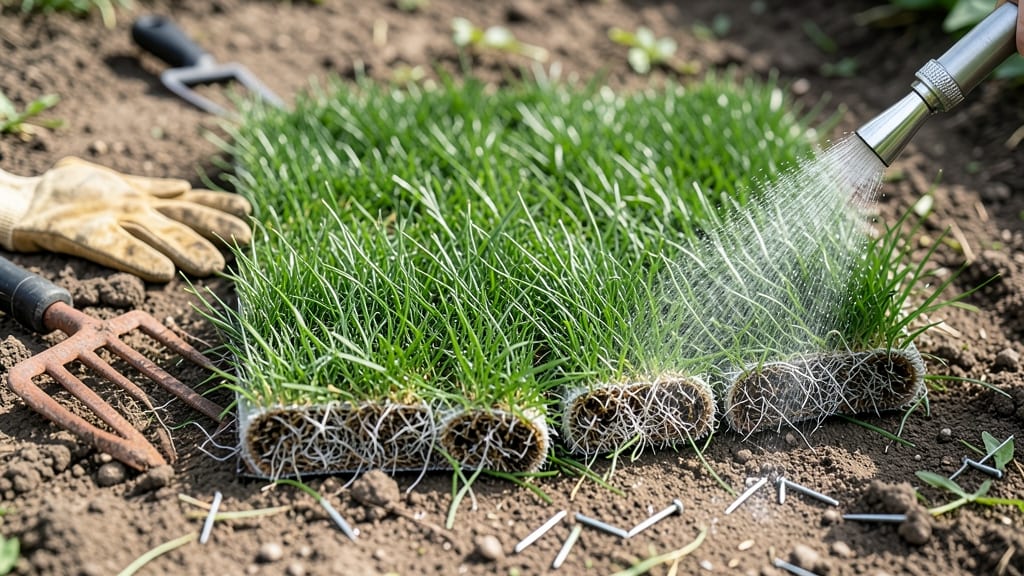
Planting lawn seed rolls transforms bare patches into lush green in just 14 days—no twists, no gaps, and no wasted seed. The secret lies in three precise soil layers that keep the seed in place while encouraging even germination.
I’ve used this method to repair my backyard’s high-traffic areas, and the results speak for themselves: a dense, uniform lawn that holds up to kids and pets. First, you’ll need a rake, a leveling board, and a lightweight topsoil blend.
The three-layer approach—starting with a base layer of coarse sand, followed by a mix of topsoil and compost, and finishing with a thin layer of seed—prevents the rolls from shifting when watered. This isn’t just about speed; it’s about consistency.
A properly layered base ensures the seed stays moist and protected until roots establish. By day 7, you’ll see the first signs of green poking through, and by day 14, the lawn will look like it’s been there for months.
The key is keeping the soil evenly moist—not soggy, just damp—during those critical first two weeks. Overwatering washes away the seed, while underwatering leaves it dry and brittle. This method works year-round in mild climates, though spring and fall remain ideal.
For larger lawns, break the project into sections to avoid drying out freshly sown areas. The payoff? A lawn that’s thicker, greener, and more resilient than traditional seeding methods can deliver.
📚 In This Guide
- What you need
- Instructions
- Tips and common mistakes
- Wrapping up and next steps
What you need
- ● Lawn seed: Choose a high-quality blend (e.g., Kentucky Bluegrass, Fescue, or Ryegrass)—10–15 lbs per 500 sq ft for optimal coverage.
- ● Burlap or jute mesh: 12–18 inches wide (enough to wrap seed rolls; 1 roll ≈ 10–12 ft long).
- ● Staple gun + staples: Heavy-duty staples (½-inch) to secure the mesh tightly.
- ● Hose with nozzle: For even moisture distribution (gentle spray setting).
- ● Rake (bow or stiff-bristle): To level soil and remove debris.
- ○ Garden twine or zip ties: For bundling rolls (optional but helpful).
- ● Topsoil: 3–4 inches of loose, well-draining soil (amended with compost if needed).
- ● Seed starter fertilizer: Low-nitrogen (5-10-5 ratio)—½ lb per 100 sq ft mixed into top 1 inch of soil.
- ● Water source: Consistent access (drip irrigation or hose).
- ● 💡 Test soil pH: Aim for 6.0–7.0 (use lime to raise or sulfur to lower if needed).
- ● 🌡️ Pre-moisten soil: Water 1 inch deep 24 hours before seeding to kickstart germination.
- ● ✨ Avoid windy days: Secure rolls with stakes or bricks if gusts are forecasted.
Step-by-Step instructions for creating lawn seed rolls
Here's how I make these twist-free seed rolls that germinate like a dream—no messy spills or tangled messes.
Prepare Your Base Layer
Start by laying out a 4-foot wide length of landscape fabric or burlap. This keeps weeds from sneaking through while letting water and air reach the soil. If you're using burlap, soak it first to prevent it from wicking moisture away too quickly. For a 100-foot roll, you'll need about 25 square feet of fabric total.
Next, spread a 1-inch layer of coarse sand evenly across the fabric. This isn't just for drainage—it prevents the soil from compacting too tightly when you roll it up. I like to rake it smooth with a stiff-bristled broom to eliminate any clumps. If you're working in a damp area, let the sand sit for an hour to absorb any excess moisture before moving forward.
Add the Soil Mix
Now it's time for the 2-inch layer of topsoil. Use a high-quality seed-starting mix or a blend of 60% topsoil and 40% compost for the best results. Spread it evenly with a rake, making sure to feather the edges so they taper to nothing at the fabric's edge. This prevents lumps when you roll.
Press down gently but firmly—you want the soil to be compact but not rock-hard. A good test is to press your thumb into it: it should hold shape but give slightly. If the soil feels too loose, walk over it in your work boots to settle it evenly. Avoid heavy equipment, as it can compress the mix too tightly for seed roots to penetrate.
Distribute Seed and Topsoil
Sprinkle your lawn seed mixture evenly over the soil layer. For a 100-foot roll, you'll need about 2 pounds of seed (adjust based on your seed packet's coverage rate). I use a spreader set to the lowest setting to avoid clumping. After seeding, lightly rake the area to ensure seeds make contact with the soil.
Next, add a final ¼-inch layer of fine sand or vermiculite. This top layer locks in moisture and shields seeds from birds. Gently sweep it with a fine-mesh rake to avoid disturbing the seeds. If you're working in a windy area, secure the edges of the fabric with landscape staples to prevent unraveling before rolling.
Roll and Secure
Starting at one end, carefully roll the fabric tightly but evenly, tucking in the edges as you go. For a 100-foot roll, aim for a diameter of about 12-14 inches—any wider and it becomes unwieldy. I use a sturdy garden hose or PVC pipe as a rolling pin to keep the roll even. Once rolled, secure the ends with twine or zip ties to maintain shape.
Store the roll in a cool, shaded area until ready to use. If you're not planting immediately, keep it slightly damp by misting every 2-3 days. The goal is to prevent the soil from drying out completely, but don't soak it—you want the roll to stay pliable, not soggy. This method keeps seeds viable for up to 4 weeks while preventing tangles or damage.
Plant and Unroll
When you're ready to plant, unroll the seed roll directly onto prepared ground. Use a sharp spade to slice through the fabric if needed, but try to minimize cuts to preserve weed-blocking integrity. Water gently but thoroughly to settle the soil and activate germination. For the first 7-10 days, keep the area consistently moist—aim for 1 inch of water per week.
Once seedlings reach 2-3 inches tall, you can cut the fabric into strips and remove it, leaving the roots undisturbed. If you're overseeding an existing lawn, simply unroll the seed roll over the grass and water as usual. This method gives you a head start on germination while keeping seeds protected from birds, wind, and uneven watering.
Tips & tricks for perfect lawn seed rolls
Took me a while to figure these out, so here goes—these tricks will keep your seed rolls from turning into a tangled mess.
Layering Strategy: The three-layer system (sand, soil, seed) is what makes these rolls work so well. The 1-inch coarse sand layer in Step 1 isn't just for drainage—it creates a perfect foundation that prevents the soil from compacting too tightly when you roll. I've found that using a stiff-bristled broom to rake it smooth eliminates air pockets, which helps the roll maintain its shape during storage. For extra stability, especially in damp conditions, let the sand sit for that full hour to absorb moisture before adding the soil.
Soil Compaction Test: In Step 2, when you're pressing down that 2-inch layer of topsoil, the thumb test is your best friend. The soil should hold shape when pressed but still give slightly—this ensures seeds get enough air while staying protected. If you're working with a large area, walking over it in your work boots is a great way to settle it evenly without compacting too tightly. Pro tip: Avoid heavy equipment, as it can create hardpan that roots can't penetrate.
Seed Distribution: For Step 3, the 2 pounds of lawn seed mixture should be spread evenly using the lowest setting on your spreader. This prevents clumping, which can lead to uneven germination. After seeding, that ¼-inch layer of fine sand or vermiculite is crucial—it locks in moisture and shields seeds from birds. I've had the best luck using a fine-mesh rake to sweep it gently, making sure not to disturb the seeds underneath. In windy areas, securing the fabric edges with landscape staples before rolling prevents unraveling.
Storage Wisdom: Once your roll is secured, storing it in a cool, shaded area is key. The 2-3 day misting schedule keeps seeds viable for up to 4 weeks without turning the roll soggy. I've learned the hard way that leaving rolls in direct sunlight can cause the outer layer to dry out too quickly, while storing them too damp makes them heavy and difficult to handle. Aim for that perfect balance—just enough moisture to keep seeds pliable, but not so much that the roll becomes unwieldy.
Pro Tips for Lawn Seed Rolls
- Took me a while to figure these out, so here goes—these tricks will keep your seed rolls from turning into a tangled mess.
- Layering Strategy: The three-layer system (sand, soil, seed) is what makes these rolls work so well.
- Soil Compaction Test: In Step 2, when you're pressing down that 2-inch layer of topsoil, the thumb test is your best friend.
Frequently asked questions
Got questions about lawn seed rolls? You’re not alone! Here are answers to the most common concerns to help you grow a lush, twist-free lawn with ease.
What’s the best time of year to use lawn seed rolls?
For optimal results, plant seed rolls in early spring or fall when soil temperatures are between 50–75°F. Avoid summer heat or winter frost—these extremes stress seeds and reduce germination rates. Cool seasons also mean less competition from weeds!
Can I use seed rolls on slopes or hills?
Seed rolls are perfect for slopes because their rolled design prevents erosion and keeps seeds in place. Just ensure the soil is well-compacted before rolling and water gently to avoid washing seeds away. For steep grades, consider hydromulching first for extra stability.
How do I troubleshoot if my seed rolls aren’t germinating?
Check these common issues:
- Inconsistent watering: Keep soil moist but not soggy—dry spells or overwatering can kill seeds.
- Poor soil contact: Gently press rolls into soil to ensure seed-to-dirt contact.
- Temperature extremes: Use a lightweight row cover if nights are too cold.
- Weed competition: Pre-treat soil with vinegar or corn gluten before planting.
Are seed rolls better than broadcasting seed?
Both methods work, but seed rolls offer key advantages:
- Even coverage: No clumping or bare spots.
- Erosion control: Rolls stay put on windy days.
- Faster germination: Seeds are pre-spaced for optimal growth.
How long until I see grass from seed rolls?
Most seed rolls show sprouts in 7–14 days, with full coverage in 4–6 weeks, depending on grass type:
- Cool-season grasses (e.g., Kentucky Bluegrass): 10–21 days.
- Warm-season grasses (e.g., Bermuda): 14–30 days.
Wrapping up and next steps
Transforming your lawn into a lush, vibrant carpet has never been easier—or more efficient—with lawn seed rolls. These handy pre-seeded mats eliminate the hassle of uneven germination and ensure a twist-free, professional finish in just three simple soil layers.
Whether you're a seasoned gardener or a beginner, this method saves time, reduces waste, and guarantees stunning results with minimal effort. Ready to take the next step? Grab your supplies, roll up your sleeves, and watch your dream lawn grow! 🌱 Start today—your future grass will thank you.