
Propagation
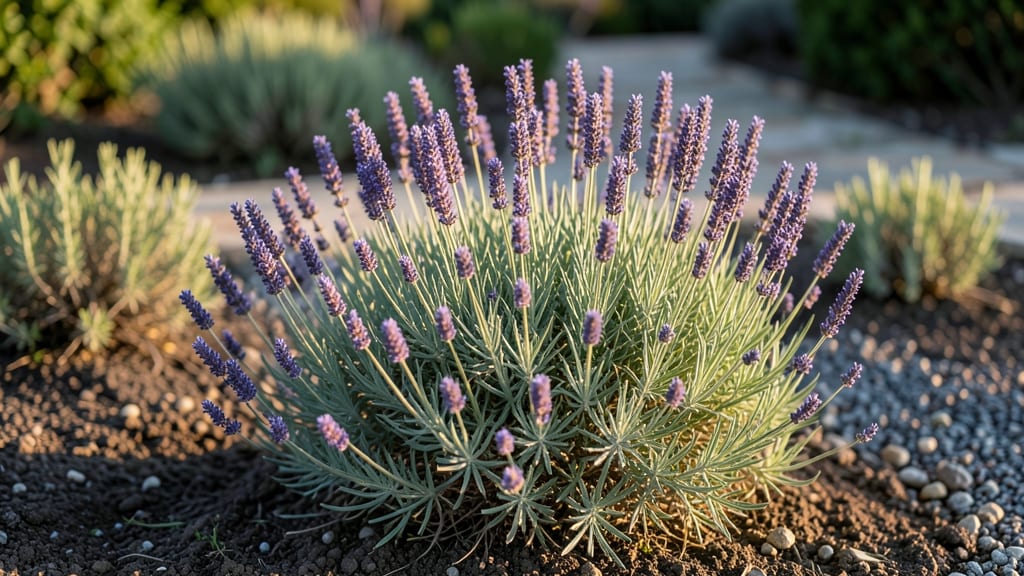
Growing Lavandula × intermedia from seeds unlocks a lavender bush that blooms reliably all year—no more guessing when the flowers will appear. 🌿 I’ve grown this hybrid from seed three times, and the secret lies in mimicking its Mediterranean roots: fast-draining soil, bright light, and patience during the slow start.
Most gardeners give up at the 4-week mark, but that’s when the real magic begins.
The trick isn’t fancy equipment—just a shallow tray, sterile seed-starting mix, and a sunny windowsill or grow light. Seeds need warmth (70-75°F) and consistent moisture, but they’re picky about drainage.
Too much water, and they’ll rot before sprouting. Once they break soil, thin them to 1 inch apart—they’ll stay small for months, but their roots run deep.
By month 3, you’ll see those signature silvery-green leaves and the first tentative flower spikes. These aren’t your grandma’s lavender—they’re hardier, bushier, and bloom from spring through fall with proper care. The scent? Double the intensity of English lavender, with that classic herbal kick that repels pests naturally.
Transplant outdoors after the last frost, but wait until seedlings are at least 6 inches tall—they handle shock better then. Space them 18-24 inches apart for full, fragrant bushes that last decades. The payoff? Year-round blooms, drought resistance, and a garden that smells like a Provençal summer without the travel.
📚 In This Guide
- What you need
- Instructions
- Tips and common mistakes
- Wrapping up and next steps
What you need
- ● Lavandula × intermedia seeds (0.1–0.5 oz, or ~3–15g, depending on desired quantity). Opt for organic, untreated seeds for best germination.
- ● Seed-starting mix (1–2 quarts, or ~1–2L). Use a lightweight, sterile potting mix (e.g., 50% peat/coir + 50% perlite/pumice). Avoid garden soil—it’s too dense!
- ● Seed trays or small pots (4–6" deep, with drainage holes). Cell packs (72–128 cells) work great for precision.
- ● Clear plastic domes or plastic wrap (to retain humidity). A humidity tent keeps seeds cozy during germination.
- ● Grow lights or sunny windowsill (6+ hours of bright, indirect light daily). South-facing windows or LED grow lights (5,000–6,500K) are ideal.
- ● Spray bottle (with room-temperature water) for gentle misting.
- ○ Heat mat (optional but helpful) (set to 70–75°F/21–24°C) to speed up germination (takes 14–30 days).
- ● Small hand trowel or spoon (for sowing seeds—no need to bury them deep!).
- ● Labels & markers (to track seed varieties and planting dates).
- ● Fertilizer (balanced, water-soluble) (e.g., 10-10-10 or fish emulsion at half-strength) for seedlings after 4–6 weeks.
- ● Transplanting pots (3–4" diameter) (for hardening off seedlings before outdoor planting).
- ● Pruning shears (for trimming leggy seedlings later).
- ● Well-draining soil mix (for mature plants: 60% mineral soil + 30% sand + 10% compost).
- ● A sunny spot (6+ hours of direct sunlight daily) for mature lavender.
- ● Patience—germination can take weeks, and lavender grows slowly but steadily!
- ● Drought tolerance mindset: Once established, lavender thrives on neglect (water only when soil is bone-dry).
Step-by-step instructions for growing Lavandula × intermedia from seeds
Here's my foolproof method for growing these hardy lavender varieties—no special tricks, just reliable results.
🌱 Step 1: Stratify Seeds for Faster Germination
Lavender seeds need cold stratification to break dormancy. Place them in a sealed container with damp sand or perlite (enough to cover the seeds completely) and refrigerate for 4-6 weeks. Check weekly—they should stay moist but not soggy. This mimics winter conditions and signals the seeds it's safe to sprout.
I use a small plastic bag with a tiny air hole for this step—it keeps everything contained while allowing airflow. Once the stratification period ends, the seeds will be ready to plant, but don't rush. Wait until you see tiny white roots forming before moving to soil.
☀️ Step 2: Start Seeds in Warm, Well-Draining Soil
Fill small pots or seed trays with a mix of 50% cactus/succulent mix and 50% perlite—this ensures excellent drainage, which lavender demands. Plant seeds 1/8 inch deep and space them 1/2 inch apart in the tray. Press gently but don't compact the soil.
Keep the soil at 70-75°F using a seedling heat mat if needed. Lavender seeds germinate slowly—2-4 weeks is normal—so don't give up if nothing happens immediately. Place the tray in bright, indirect light until sprouts appear. Once they do, move to full sun for 12 hours daily.
🌿 Step 3: Transplant Seedlings When Strong Enough
Wait until seedlings have 3-4 true leaves and are at least 2 inches tall before transplanting. Choose a permanent spot with 6+ hours of direct sun and well-draining soil. Lavender hates soggy roots, so amend heavy soil with sand or gravel to improve drainage.
Dig holes slightly larger than the root ball and space plants 18-24 inches apart. Water deeply after planting, but avoid wetting the foliage. Mulch lightly with gravel or pebbles (never organic mulch) to keep roots cool and prevent soil compaction.
✂️ Step 4: Prune and Maintain for Year-Round Blooms
Once established, lavender needs minimal care but benefits from annual pruning after flowering. Cut back 1/3 of the plant's height in late spring or early summer to encourage bushier growth. Never prune into old wood—always leave some fresh green growth.
Water only when the soil feels completely dry to the touch—lavender thrives on neglect. In winter, reduce watering further unless temperatures drop below 20°F, in which case a light layer of mulch protects the roots. With proper care, your plants will reward you with fragrant blooms for years.
Tips & tricks for perfect lavender growth
Took me years of trial-and-error to perfect these lavender-growing secrets—here's how to skip the frustration and get blooms every season.
Stratification Secret: The 4-6 week cold period isn't just about breaking dormancy—it's about simulating winter conditions. I've found that placing the sealed container on a refrigerator shelf (not the crisper drawer) maintains more consistent moisture levels. If you're impatient, you can extend this to 8 weeks for slightly higher germination rates, but don't rush past the minimum 4 weeks or you'll risk poor results.
Soil Mix Matters: That 50-50 cactus/succulent mix to perlite ratio is non-negotiable for lavender. I've ruined batches using regular potting soil because it retains too much moisture. For even better drainage, consider adding a handful of coarse sand to the mix—this helps prevent the dreaded root rot that can kill young seedlings.
Lighting Insight: Lavender seedlings are finicky about light transitions. Start them in bright indirect light until they sprout, then gradually introduce full sun over 3-4 days. I've seen seedlings go from healthy to crispy overnight when moved too quickly to direct sunlight. Once they're established, those 12 hours of daily sun become absolutely critical for strong growth and fragrance development.
Transplant Timing: Waiting for those 3-4 true leaves and 2-inch height might feel like forever, but it's worth it. I've transplanted too early and lost seedlings to shock. When you do transplant, handle the root ball gently—lavender roots are delicate. The 18-24 inch spacing might seem generous, but it prevents competition and gives your plants room to develop that signature bushy shape.
Pro Tips for Lavandula X Intermedia Seeds
- Took me years of trial-and-error to perfect these lavender-growing secrets—here's how to skip the frustration and get blooms every season.
- Stratification Secret: The 4-6 week cold period isn't just about breaking dormancy—it's about simulating winter conditions.
- Soil Mix Matters: That 50-50 cactus/succulent mix to perlite ratio is non-negotiable for lavender.
Frequently asked questions
Got questions about growing Lavandula × intermedia from seeds? You’re not alone!
Here are the most common concerns—and straightforward answers to help you avoid headaches and grow stunning lavender year after year.
How long does it take for Lavandula × intermedia seeds to germinate?
Patience is key! These seeds typically take 21–45 days to sprout, depending on temperature and moisture. Keep them in a warm (70–75°F), bright spot and maintain consistent dampness (not soggy!). Cold stratification for 4–6 weeks can speed things up—just pop them in the fridge before planting.
Can I grow Lavandula × intermedia from seeds indoors first?
Start seeds indoors 8–10 weeks before your last frost for a head start. Use seed trays with well-draining soil, cover lightly with vermiculite, and place under grow lights (seeds need 12–14 hours of light daily). Transplant outdoors only after hardening off for 2 weeks.
Why aren’t my Lavandula × intermedia seedlings blooming?
Lavender is a slow grower—don’t expect blooms for 1–2 years! Ensure they get full sun (6+ hours daily) and well-draining soil. Over-fertilizing or crowding can delay flowers. Prune spent blooms to encourage more flowers, but avoid heavy pruning until the plant is established.
What’s the easiest alternative if seeds are tricky to grow?
If seeds feel too finicky, consider cuttings or nursery-grown plants! Lavandula × intermedia cuttings root easily in water or perlite. Look for labeled varieties like ‘Grosso’ or ‘Provins’—they’re hardy, drought-tolerant, and bloom prolifically with minimal fuss.
How cold-hardy are Lavandula × intermedia seedlings?
While mature plants handle USDA Zones 5–9, young seedlings are frost-sensitive. Wait until soil temps are at least 50°F (10°C) before transplanting. Mulch heavily in winter for Zone 5 growers, but avoid smothering roots—lavender hates soggy soil!
Wrapping up and next steps
Growing Lavandula × intermedia from seeds is your ticket to year-round fragrance and beauty—no more guesswork! With the right soil, sunlight, and patience, you’ll unlock a hardy plant that thrives even in cooler climates.
Whether you’re a seasoned gardener or just starting, these seeds offer a rewarding challenge and a stunning payoff.
Ready to dive in? Start by ordering your seeds today, then gather your supplies and follow the steps above. Soon, you’ll be enjoying lush lavender blooms that turn heads (and noses!) all year long. Happy gardening! 🌱✨