
Lawn
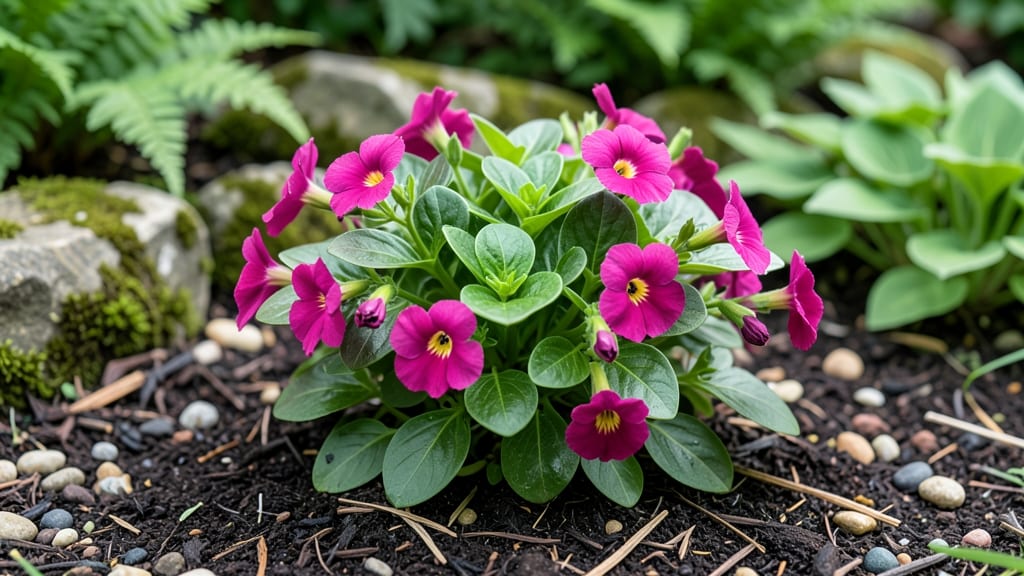
Those tiny, papery seed pods are packed with next year's impatiens blooms—if you harvest them right. 🌱 I've saved seeds from my impatiens for years, and the key is knowing exactly when to pick them before they explode all over your patio.
The pods start green and turn brownish-purple when ready, but timing matters—wait too long and you lose your seeds to the wind.
You'll need just a few simple supplies: sharp scissors or pruners, a paper bag for collection, and a dry, dark place for storage. The process takes about 10 minutes once you recognize the mature pods, and you'll end up with seeds that stay viable for 2-3 years if stored properly.
No fancy equipment or stratification needed—just patience and a little know-how.
By late summer, you'll have a stash of seeds ready for next spring's planting. The seedlings will be lush and vibrant, just like their parent plants, and you'll save $20+ per season by skipping store-bought flats.
The first true leaves appear in about 2-3 weeks, and you'll be pinching back leggy growth before you know it.
This method works for both annual impatiens and the newer, more cold-hardy varieties. Just remember: shade-loving impatiens thrive in containers or garden beds with afternoon shade, and they'll reward you with nonstop blooms all summer long. Let's get those seeds collected!
📚 In This Guide
- What you need
- Instructions
- Tips and common mistakes
- Wrapping up and next steps
What you need
- ● Mature impatiens seed pods: Fully dried and brownish (about 1–2 inches long). Aim for at least 10–15 pods per batch for viable seeds.
- ● Sharp scissors or pruning shears: A pair with bypass blades (to avoid crushing pods) for clean cuts.
- ● Paper bags or brown lunch bags: 2–3 bags (one per pod type if harvesting multiple varieties). Use unbleached, uncoated paper to prevent moisture buildup.
- ● Labeling tags or masking tape + marker: To label bags with plant variety and harvest date.
- ○ Flat tray or baking sheet: For drying pods indoors (optional but helpful if pods aren’t fully dry).
- ● Fine-mesh sieve or colander: To separate seeds from chaff after pods split open.
- ● Small envelopes or airtight containers: For long-term seed storage (e.g., paper envelopes or glass jars with lids).
- ● Desiccant packets: Place one in storage containers to absorb excess moisture and extend seed viability.
- ● Hand lens or magnifying glass: For inspecting seed quality if you’re saving seeds for future planting.
- ● Spray bottle with water: To lightly mist pods if they’re stubbornly sticky or damp.
- ● Notebook or seed-saving log: To track pod maturity, seed count, and germination notes.
How to harvest impatiens seed pods for long-term viability
Here’s my foolproof method for collecting and storing impatiens seeds that stay fresh and ready for next year’s garden.
🌱 Step 1: Identify and Select Mature Seed Pods
Look for pods that have turned a deep brown or black color and feel dry to the touch—these are ready for harvest. Avoid green or plump pods, as they’re still developing seeds. I like to collect pods in the late afternoon when humidity is lower, which helps prevent moisture from sticking to the seeds.
Gently twist the pod between your fingers to open it—don’t squeeze too hard, or you’ll crush the seeds inside. Place the opened pods in a paper bag or envelope to catch any seeds that might fall out. If the pods are still tightly closed, leave them on the plant for another day or two; they’ll release seeds naturally when fully mature.
⏰ Step 2: Dry and Store Seeds Properly
Spread the harvested seeds on a clean, dry paper towel in a single layer. Place them in a warm, dry spot away from direct sunlight—like a sunny windowsill or a seed-drying tray—for 7-10 days. This slow drying process prevents mold and ensures the seeds remain viable.
Once the seeds feel completely dry and brittle, transfer them to a small envelope or airtight container. Label it with the variety name and the harvest date—impatiens seeds stay viable for 2-3 years when stored in a cool, dark place like a refrigerator or seed vault.
🪴 Step 3: Test Seed Viability Before Planting
To check if your seeds are still good, place 5-10 seeds in a damp paper towel, fold it over, and seal it in a plastic bag. Keep the bag in a warm spot (70-75°F) and check daily for sprouts. If 50% or more germinate within 10-14 days, your seeds are ready for planting.
If germination is slow or weak, try soaking the seeds in warm water for 12 hours before planting—this can help break dormancy. Impatiens seeds are tiny, so handle them gently to avoid losing them in the soil. Plant them ¼ inch deep and keep the soil moist until germination occurs.
💧 Step 4: Maintain Ideal Conditions for Germination
Impatiens seeds thrive in warmth and humidity, so place your seed trays under a grow light or in a sunny window (60-70°F is ideal). Mist the soil lightly every 2-3 days to keep it evenly moist but never soggy—overwatering can cause damping-off, a fungal disease that kills seedlings.
Once the seedlings develop their first true leaves (not the tiny cotyledons), transplant them into 2-inch pots filled with a light, well-draining potting mix. Keep them in bright, indirect light until they’re strong enough to handle direct sunlight outdoors.
Tips & tricks for perfect impatiens seed pod harvesting
A few simple techniques will ensure you collect the most viable seeds and maintain their quality for years to come.
Timing is Everything: Harvest impatiens seed pods in the late afternoon when humidity is naturally lower. This reduces moisture exposure, which can cause seeds to clump together or develop mold during drying. I've learned this the hard way—after harvesting in the morning, I ended up with sticky seeds that refused to dry properly. The cooler evening air also helps prevent premature seed release from still-closed pods.
Gentle Handling Matters: When opening those brittle pods, use a gentle twisting motion rather than squeezing. The seeds are delicate and can shatter if handled roughly. I keep a small paper envelope nearby to catch any seeds that might escape during this process. For extra cautious gardeners, wearing thin gloves can provide better grip without damaging the seeds.
Drying Conditions: The 7-10 day drying period in Step 2 is non-negotiable for viability. Place your seeds in a warm spot (around 70-75°F) away from direct sunlight—this prevents overheating while maintaining the perfect drying environment. I use a seed-drying tray near a sunny window but not in direct rays. If you notice any condensation forming on your container during drying, move it to a warmer location to speed up the process.
Storage Wisdom: Once your seeds are completely dry and brittle, store them in an airtight container with a desiccant packet to absorb any lingering moisture. I've found that small glass vials work beautifully for single varieties. Labeling with both the variety name and harvest date is crucial—impatiens seeds remain viable for 2-3 years, but older seeds may have reduced germination rates. Store in the refrigerator's crisper drawer for optimal long-term preservation.
Pro Tips for Impatiens Seed Pods
- A few simple techniques will ensure you collect the most viable seeds and maintain their quality for years to come.
- Timing is Everything: Harvest impatiens seed pods in the late afternoon when humidity is naturally lower. This reduce...
- Gentle Handling Matters: When opening those brittle pods, use a gentle twisting motion rather than squeezing. The see...
Frequently asked questions
Got questions about harvesting and storing impatiens seed pods? You’re not alone! Here are some of the most common concerns—and their solutions—to keep your seeds thriving for next season.
When should I harvest impatiens seed pods?
Harvest seed pods when they’re fully mature but before they split open—usually 4–6 weeks after flowering. Look for dry, papery pods that turn brown or tan. If you wait too long, seeds scatter, and you lose your harvest! Collect them on a dry day to prevent mold.
How do I know if the seeds inside are viable?
Viable seeds are plump, firm, and dark-colored (often black or brown). To test, place a few seeds in a damp paper towel, seal them in a bag, and check for sprouts in 7–14 days. If <70% sprout, your batch may need fresher pods or better storage conditions.
What’s the best way to store impatiens seeds long-term?
Store seeds in a cool, dry place (like a sealed envelope or airtight container with silica gel). Keep them in the fridge or freezer for up to 2 years—just label them with the harvest date! Avoid humidity, or seeds may spoil.
Can I grow impatiens from store-bought seeds?
Yes! Many nurseries sell impatiens seeds, but hybrid varieties (like Impatiens walleriana) may not produce true-to-type plants. For consistent results, save seeds from open-pollinated varieties or ask your supplier about heirloom options.
Why did my seed pods rot or mold?
Overripe pods or damp conditions cause rot. Harvest earlier, avoid wet foliage, and store pods in a well-ventilated area before processing. If mold appears, discard affected pods and disinfect tools with rubbing alcohol to prevent spread.
Still stumped? Drop your question in the comments—we’re happy to help!
Wrapping up and next steps
Harvesting and storing impatiens seed pods doesn’t have to be a stressful task—just follow the right steps, and you’ll enjoy a bountiful supply of seeds for future blooms! 🌱 From timing your harvest to drying and storing them properly, these tips ensure you’re ready for next season’s vibrant garden.
Whether you’re a seasoned gardener or just starting out, your efforts will pay off in beautiful, homegrown impatiens.
Now that you’re equipped with the know-how, grab those pods and get harvesting! Share your success with fellow gardeners or experiment with new varieties—your garden’s next adventure starts today. Happy planting! 🌸