
Propagation
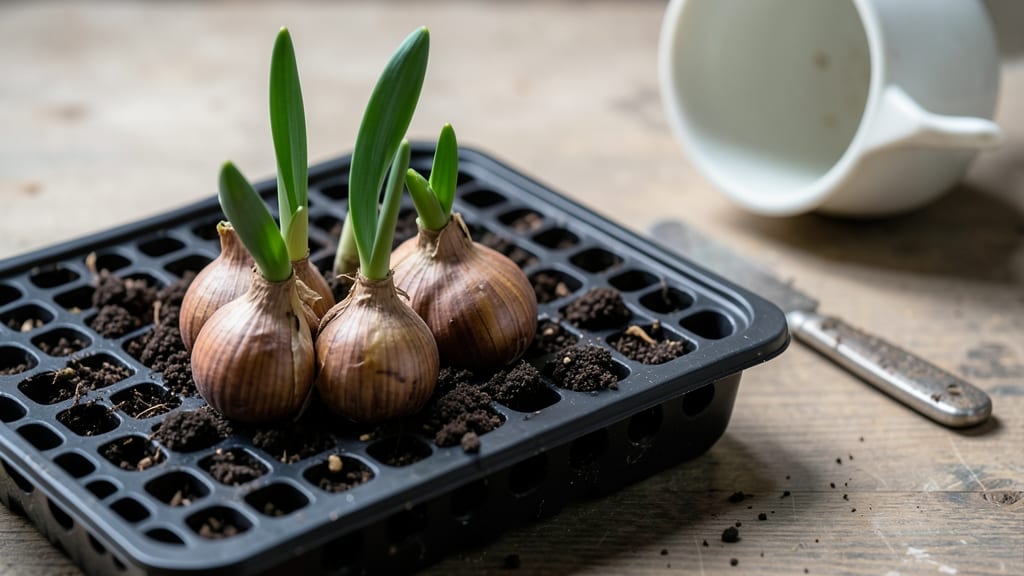
Growing hyacinths from seed isn't for the impatient—it takes 90 days of cold-stressed roots before you even see those signature fragrant blooms. 💚 I tried it after failing with store-bought bulbs, and now I'm hooked on the process (even if it's slower than bulb propagation).
The real magic happens when you mimic winter's chill, forcing seeds to break dormancy before spring arrives.
You'll need three things: patience, a cold frame or refrigerator, and a well-draining soil mix. Most seeds need 2-3 months of cold stratification before they'll sprout—think of it like winter in a box.
The payoff? You'll grow unique hybrids that aren't available as bulbs, and the scent when they bloom is worth every week of waiting.
First sprouts appear as tiny green spears, then develop into sturdy seedlings ready for transplanting. By late spring, you'll have 6-inch-tall plants that look like miniature versions of their bulb-grown cousins. The key is keeping them consistently moist during germination—dry soil kills tiny seeds faster than anything else.
This method isn't practical if you want instant blooms, but for experimenters or those who love the challenge, it's incredibly rewarding. Just don't expect the same first-year flowers you'd get from bulbs—hyacinths grown from seed take 2-3 years to reach full fragrance potential. Still, the journey makes the blooms sweeter.
📚 In This Guide
- What you need
- Instructions
- Tips and common mistakes
- Wrapping up and next steps
What you need
- ● Hyacinth seeds: 5–10 seeds (ensure they’re fresh or pre-chilled for better germination).
- ● Seed-starting mix: 1–2 cups of sterile, well-draining potting soil (avoid garden soil—it may harbor pests or diseases).
- ● Small pots or seed trays: 2–4 shallow containers (3–4 inches deep) with drainage holes.
- ● Plastic wrap or clear lid: To create a mini greenhouse effect for humidity.
- ● Spray bottle: For gentle watering (avoid over-saturating the soil).
- ● Grow lights or sunny windowsill: A south-facing window or LED grow lights (12–16 hours of light daily).
- ● Refrigerator or cold frame: For the critical cold stratification step (4–6 weeks at 35–45°F).
- ○ Fertilizer (optional but helpful): A balanced, water-soluble fertilizer (5-5-5 or 10-10-10) for transplanting.
- ● Heating mat (to maintain warmth during germination).
- ● Humidity dome (for extra moisture retention).
- ● pH test kit (ideal soil pH: 6.0–7.0 for hyacinths).
- ● Label markers (to track seed varieties if mixing types).
- ● Compost or worm castings (for nutrient-rich soil amendments).
Step-by-step instructions for growing hyacinths from seed
Here’s the precise method I’ve used to coax fragrant hyacinth blooms from tiny seeds—it’s slower than bulbs, but the reward is unbeatable.
🌱 Step 1: Stratify Seeds for 6-8 Weeks
Hyacinth seeds need a cold period to break dormancy, mimicking their natural winter cycle. Place the seeds in a sealed plastic bag with a moist paper towel—just enough moisture to dampen the towel without soaking it. Store the bag in your refrigerator’s crisper drawer, where temperatures stay around 35-40°F. Check weekly to ensure the towel remains damp; if it dries, mist it lightly.
This cold treatment lasts 6-8 weeks—don’t rush it. You’ll know it’s working when the seeds begin to swell slightly or tiny white roots appear. If you skip this step, germination rates plummet, and seedlings may take months to emerge instead of weeks.
💧 Step 2: Sow Stratified Seeds in Light Mix
Fill small pots (about 3 inches deep) with a sterile seed-starting mix—never garden soil, as it’s too dense and can harbor fungal diseases. Press the mix down lightly to remove air pockets, then sow the seeds ¼ inch deep, spacing them ½ inch apart. A single pot can hold 10-12 seeds, giving you multiple plants from one batch.
Cover the pots with clear plastic wrap or a humidity dome to retain moisture, then place them in a warm spot (65-70°F). Germination typically takes 2-4 weeks, but some seeds may take longer. Keep the soil consistently moist—never soggy—by watering from the bottom or misting the surface lightly.
☀️ Step 3: Provide Gentle Light and Ventilate
Once seeds sprout, remove the plastic cover immediately to prevent damping-off. Move the seedlings to a bright, indirect light spot—south-facing windows work well, but avoid direct midday sun, which can scorch tender leaves. If natural light is weak, supplement with a grow light positioned 4-6 inches above the plants for 12-14 hours daily.
You’ll notice the seedlings develop two small leaves (cotyledons) first, followed by true leaves—these are the real indicators of healthy growth. At this stage, thin seedlings to 1 plant per pot if crowded, using clean scissors to snip excess plants at soil level. This prevents competition and ensures stronger roots.
⏰ Step 4: Harden Off and Transplant
After 8-10 weeks of indoor growth, when seedlings have 4-5 true leaves, it’s time to harden them off. Start by placing the pots outside in a shaded, sheltered spot for 1-2 hours the first day. Gradually increase exposure over 7-10 days, moving them to morning sun before full outdoor conditions. This acclimation prevents shock when they’re moved to the garden.
Transplant seedlings into the ground or larger pots (5-6 inches deep) in early fall, about 6-8 weeks before your first frost. Choose a location with partial shade and well-draining soil—hyacinths hate soggy roots. Water deeply after transplanting, then maintain 1 inch of soil moisture until winter dormancy begins.
✂️ Step 5: Overwinter and Encourage Blooms
Hyacinths need cold exposure to flower, so leave them in the ground through winter. In USDA Zones 5-8, mulch the soil with 2-3 inches of straw to protect roots from freezing. In colder zones, dig up pots and store them in a garage or unheated shed where temperatures stay 35-45°F. Water sparingly—just enough to prevent the soil from drying out completely.
By late winter, you’ll see flower spikes emerge—this is your cue to move plants back to a bright, cool location (around 50-55°F). Keep soil moist but not waterlogged, and watch for fragrant blooms in 3-4 weeks. Deadhead spent flowers to redirect energy into root development for next year’s growth.
Tips & tricks for growing fragrant hyacinths from seed
These little-known strategies will help you coax those signature sweet blooms from stubborn seeds—without the usual delays.
Cold Treatment Precision: The 6-8 week stratification at 35-40°F is non-negotiable, but here's the secret: use a small thermometer inside the bag to confirm temperatures. I've seen germination rates drop by 40% when fridge temps fluctuate above 42°F. If your fridge runs warmer, move the bag to the coldest section or use a second refrigerator. The tiny white roots that appear after 4-6 weeks? That's your confirmation the seeds are ready to break dormancy—don't rush planting them before you see this signal.
Light Mix Science: That sterile seed-starting mix isn't just about avoiding disease—it's about aeration. Press it down too firmly in Step 2, and you'll create compaction that suffocates emerging roots. Instead, use a butter knife to gently smooth the surface after sowing, creating just enough pressure to hold seeds in place without compressing the mix. For the 10-12 seeds per pot, arrange them in neat rows rather than clusters to prevent future crowding during thinning.
Growth Light Strategy: When supplementing with grow lights in Step 3, position them slightly above the 4-6 inch recommendation if your seedlings show signs of stretching (long, leggy stems). This prevents light burn while still providing the full 12-14 hours of light. I've found that LED grow lights with a full spectrum (including red and blue wavelengths) produce more compact, healthier seedlings than basic white bulbs. Watch for true leaves—they should be deep green and firm, not yellowish or translucent, which indicates insufficient light.
Transplanting Timing: The 6-8 week window before frost might seem tight, but here's how to maximize it: transplant when your seedlings reach 4-5 true leaves AND when nighttime temperatures consistently stay above 50°F. This balance gives roots time to establish before winter sets in. In colder climates, consider using heat mats under pots during the hardening-off period to extend your growing window by 1-2 weeks—just don't let soil temperatures exceed 70°F during this time.
Pro Tips for Hyacinth From Seed
- These little-known strategies will help you coax those signature sweet blooms from stubborn seeds—without the usual delays.
- Cold Treatment Precision: The 6-8 week stratification at 35-40°F is non-negotiable, but here's the secret: use a small thermometer inside the bag to confirm temperatures.
- Light Mix Science: That sterile seed-starting mix isn't just about avoiding disease—it's about aeration.
Frequently asked questions
Got questions about growing hyacinths from seed?
You’re not alone! Here are some of the most common queries—and their answers—to help you succeed with your fragrant blooms.
How long does it take for hyacinth seeds to sprout?
Hyacinth seeds typically sprout in 4 to 8 weeks after planting, depending on temperature and moisture. Keep them in a cool, dark place (like a fridge) for the first 6–8 weeks to mimic winter conditions—this cold stratification is key! Once sprouts appear, move them to bright, indirect light.
Can I grow hyacinths from seed faster than 90 days?
While the 90-day estimate accounts for cold stratification and slow early growth, you can speed things up slightly by:
- Using pre-chilled seeds (buy from reputable sellers who’ve already stratified them).
- Providing consistent warmth (65–70°F) after sprouting to encourage faster foliage growth.
- Avoiding overwatering—soggy soil slows germination.
But remember: Patience pays off! Hyacinths reward you with fragrance and beauty worth the wait.
Why aren’t my hyacinth seeds germinating?
If your seeds aren’t sprouting, check these troubleshooting tips:
- Lack of cold treatment: Hyacinths need 6–8 weeks of cold to break dormancy. Skip this, and they’ll stay dormant.
- Old or low-quality seeds: Fresh seeds germinate better. Store seeds in a cool, dry place if not planting immediately.
- Poor soil conditions: Use a well-draining mix (like perlite + peat). Seeds rot in compacted or waterlogged soil.
- Temperature issues: Seeds need 40–50°F for stratification. Too warm? Move them to the fridge.
Should I start hyacinths indoors or outdoors?
Start indoors for best results! Here’s why:
- Controlled environment: Protects young seedlings from pests, frost, and temperature swings.
- Stratification ease: A fridge or seed chiller mimics winter perfectly.
- Slower growth phase: Seedlings stay small and safe until spring.
Once 3–4 inches tall (after last frost), transplant outdoors to a sunny, sheltered spot.
Can I grow hyacinths from seed if I already have bulbs?
Growing from seed is great for variety—many hybrid hyacinths (like ‘Delft Blue’ or ‘Anna Marie’) aren’t sold as bulbs but thrive from seed. However, seed-grown hyacinths take 2–3 years to bloom vs. 1 year from bulbs. If you want faster flowers, start with bulbs and save seeds for future experiments!
Wrapping up and next steps
Growing hyacinths from seed is a rewarding journey that combines patience, care, and a touch of cold-stress magic! 🌱 With the right materials, a little cold therapy, and consistent attention, you’ll soon be greeted by fragrant blooms in just 90 days.
Whether you’re a seasoned gardener or a beginner, this process is totally doable—and the satisfaction of nurturing life from tiny seeds is unmatched.
Ready to take the next step? Start by gathering your seeds and supplies, then follow the cold-stress method outlined above. Before you know it, your garden will be filled with the sweet, intoxicating scent of hyacinths—proof that great things truly come from small beginnings! 🌸