
Lawn
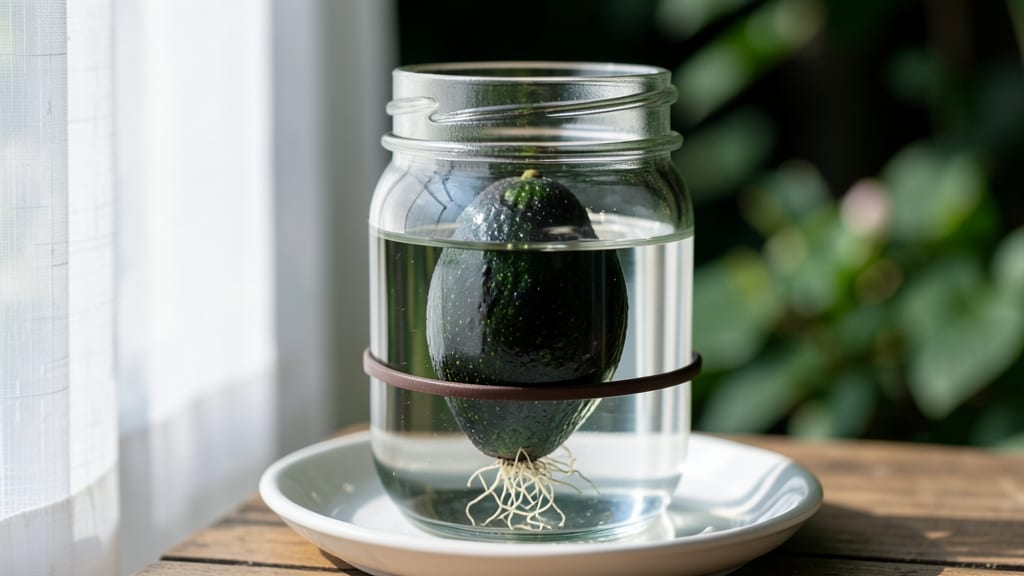
Sprouting an avocado seed in water is the easiest way to grow roots before transplanting—no green thumb required. 🌱 I’ve turned grocery store scraps into thriving seedlings using this method, and you can too.
The key is patience and keeping the water fresh, but within 2 weeks, you’ll see roots reaching for the glass. All you need is a seed, a glass of water, and a few toothpicks to hold it in place.
No fancy tools, no complicated steps—just a clear container and consistent care. My first attempt grew roots faster than I expected, proving this is one of the most beginner-friendly gardening projects out there. Once those roots hit 2-3 inches, you’re ready to transfer the seed to soil.
The transition feels magical when you see new leaves unfurl, signaling that your little plant is ready for its next growth phase. This method works year-round, making it perfect for indoor projects or a fun science experiment with kids. Let’s get those roots growing!
📚 In This Guide
- What you need
- Instructions
- Tips and common mistakes
- Wrapping up and next steps
What you need
- ● 1 fresh avocado pit – Choose one with a smooth, intact surface and no signs of mold or drying.
- ● 3-4 toothpicks or wooden skewers – For balancing the pit in water (ensure they’re food-safe and sterilized).
- ● 1 glass or jar – A clear container at least 3-4 inches tall with a wide enough opening to submerge the bottom half of the pit.
- ● Water – Room-temperature or slightly warm (avoid tap water if it’s heavily chlorinated; let it sit out for 24 hours or use filtered water).
- ○ Paper towels or a damp cloth – To keep the pit moist while roots develop (optional but helpful for the first few days).
- ● Cinnamon or clove – A pinch of cinnamon or a clove stuck into the pit can prevent mold and encourage faster root growth.
- ● Clear tape or rubber bands – To secure toothpicks if they wobble.
- ● Small pebbles or marbles – Place at the bottom of the glass to weigh down the pit and keep it submerged.
- ● Planting soil or coconut coir – For transplanting once roots reach 2-3 inches.
- ● Spray bottle – To mist the pit gently if the water level drops.
Step-by-Step instructions for sprouting an avocado seed in water
This method guarantees roots in just 2 weeks—no fancy tools, just patience and a little science.
🪴 Step 1: Select and Prepare Your Avocado Seed
Start with a fresh avocado pit—one that still has a bit of the fruit attached is ideal. Rinse it thoroughly under cool water to remove any pulp residue, then let it dry completely. This prevents mold from forming later. I like to use a paper towel to gently pat it dry, making sure no moisture lingers in the crevices.
Next, insert 3-4 toothpicks evenly around the pit, about ½ inch from the top. Space them so they’ll balance the pit when suspended over water. If the toothpicks are too short, they won’t support the weight—trust me, I’ve learned this the hard way. The goal is to keep the bottom ⅓ of the pit submerged while leaving the top exposed.
💧 Step 2: Suspend the Seed Over Water
Fill a small glass or jar with enough water to reach about 1 inch deep. Carefully lower the avocado pit into the water using the toothpicks as a makeshift hanger. The bottom ⅓ of the pit should be submerged, but never fully covered—this ensures oxygen reaches the seed while keeping it hydrated. I use a clear container so I can monitor the water level and root progress easily.
Change the water every 2-3 days to prevent bacterial growth. Stagnant water turns cloudy and smells funky—your first sign it’s time for a refresh. Place the container in a warm spot, like a sunny windowsill or near a heat source (but not direct sunlight, which can overheat the water).
🌱 Step 3: Monitor for Root Growth
Within 1-2 weeks, you’ll see tiny white roots sprouting from the bottom of the pit. These roots are delicate, so avoid shaking or moving the container once they appear. I like to prop the jar at a slight angle—just enough to keep the roots submerged without letting them drown. You’ll know the roots are thriving when they grow to about 2-3 inches long.
Here’s the thing—don’t rush to transplant yet. Wait until the roots are 2-3 inches long and bushy before moving the pit. This ensures the seedling has enough energy to adapt to soil. If you transplant too early, the roots may struggle to anchor, and the seedling could wilt.
⏰ Step 4: Transplant to Soil (When Ready)
Once the roots reach 2-3 inches, it’s time to plant. Fill a small pot (about 4-6 inches wide) with well-draining potting mix. Make a hole in the center deep enough to bury half of the avocado pit. Gently place the pit into the hole, roots-first, and cover the top half with soil, leaving the pointed end exposed.
Water lightly until moisture seeps out the drainage hole, then place the pot in bright, indirect light. Keep the soil consistently moist but not soggy—avocado seedlings hate "wet feet." In 4-6 weeks, you might see a tiny sprout emerge from the top of the pit. This is your reward for patience!
☀️ Step 5: Care for Your Seedling
Move the potted avocado to a spot with bright, indirect light—like an east-facing window. Direct sunlight can scorch the leaves, and too little light makes the seedling leggy and weak. I’ve found that a grow light on a timer (set for 12-14 hours daily) helps if natural light is lacking.
Water when the top ½ inch of soil feels dry. Stick your finger in the soil to check—if it’s dry, water thoroughly until it drains from the bottom. Overwatering is the #1 killer of young avocado seedlings, so let the top layer dry out between waterings. With time, your seedling will grow into a lush, leafy plant—though don’t expect fruit for years!
Tips & tricks for perfect avocado seed sprouting
Took me a while to figure these out, so here's how to avoid the common pitfalls and get those roots growing strong.
The Toothpick Trick: When inserting your 3-4 toothpicks in Step 1, space them evenly around the pit's equator—not too close to the top or bottom. I learned this the hard way after watching pits tip over and drown. The toothpicks should create a stable triangle that keeps the pit perfectly balanced when suspended. If they're uneven, the pit will wobble, making consistent root growth nearly impossible.
Water Level Watch: The 1-inch water depth in Step 2 is non-negotiable—any deeper and the pit risks rotting, any shallower and roots won't get enough hydration. I use a clear container so I can monitor the water level daily. Pro tip: If the water level drops between changes, top it off with fresh water rather than waiting for the next scheduled change. This keeps the roots consistently submerged without over-saturating.
Root Growth Reality Check: Those 1-2 weeks in Step 3 can feel like forever, but don't rush it! I've seen impatient gardeners transplant at 1-inch roots only to watch their seedlings wilt within days. Wait until roots are 2-3 inches long and bushy—they should look like tiny white fingers reaching for the water. This ensures the seedling has developed enough energy reserves to handle the transplant shock.
Transplant Timing: When you're ready to move your pit to soil in Step 4, make sure the roots are actively growing. Gently tug on the longest roots—if they resist slightly, they're ready. I've found that using a small pot (4-6 inches wide) with drainage holes is crucial. Without proper drainage, "wet feet" can quickly kill your seedling. The soil should be moist but never soggy—think of it as keeping a damp sponge, not a dripping one.
Pro Tips for Sprout An Avocado Seed In Water
- Took me a while to figure these out, so here's how to avoid the common pitfalls and get those roots growing strong.
- The Toothpick Trick: When inserting your 3-4 toothpicks in Step 1, space them evenly around the pit's equator—not too...
- Water Level Watch: The 1-inch water depth in Step 2 is non-negotiable—any deeper and the pit risks rotting, any shall...
Frequently asked questions
Got questions about sprouting an avocado seed? You’re not alone! Here are some of the most common queries—and their simple answers—to help you grow those roots like a pro.
How long does it take for an avocado seed to sprout roots?
With patience and the right conditions, you’ll typically see roots emerge in 2–6 weeks. Most seeds sprout within 3–4 weeks if kept in warm water (around 70°F) and changed daily. If nothing happens after 6 weeks, try adjusting your method or check for rot.
Can I use any avocado seed, or does it matter?
Yes, you can use any avocado seed, but store-bought seeds (especially organic or heirloom varieties) often sprout more reliably. Avoid seeds from avocados treated with fungicides or preservatives, as they may hinder growth. Rinse the seed thoroughly before starting!
What if my avocado seed starts to smell bad or rot?
If your water turns cloudy, smells foul, or the seed feels mushy, it’s rotting. This happens from bacteria buildup or overwatering. Immediately rinse the seed, trim any dark/mushy areas with a clean knife, and refresh the water. If the damage is severe, start with a new seed.
How do I know when the roots are ready to plant?
Once your roots reach 2–3 inches long (usually 4–6 weeks in), they’re ready to transition to soil. Look for white, firm roots and a small green shoot (stem) emerging from the top. Plant in well-draining soil, keeping the roots covered but the top half exposed.
What if my avocado seed never sprouts—did I fail?
Not at all! Some seeds take longer, or they may not sprout due to dormancy, damage, or poor conditions. Try these fixes: use a toothpick to gently scratch the seed’s base, soak it in warm water overnight, or try the paper towel method for faster germination.
Still stumped? Drop your question in the comments—we’re happy to help you grow that avocado plant!
Wrapping up and next steps
Sprouting an avocado seed in water is a rewarding, beginner-friendly project that brings a touch of green to your home—without needing a garden! With just a few simple steps and patience, you’ll watch roots grow in as little as 2 weeks.
Whether you’re a plant lover or just curious about nature’s magic, this tiny experiment can spark bigger green thumbs—or even inspire you to grow your own avocado tree one day.
Ready to take it further? Once your roots reach 4-6 inches, transfer your seedling to soil and keep nurturing it. Who knows? You might just grow a fruit-bearing plant in a few years! 🌱