
Lawn
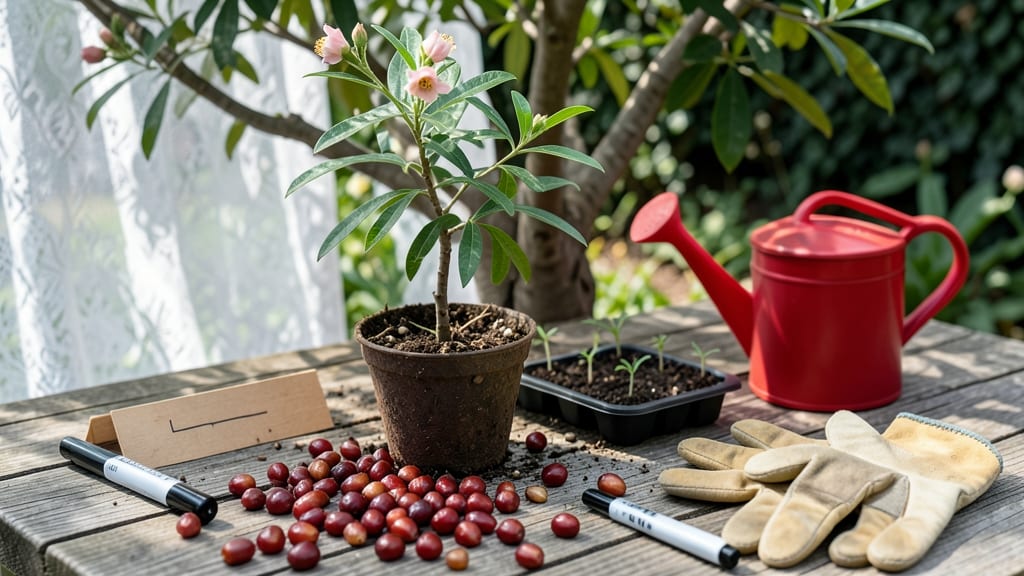
Extracting those ruby-red arils from a pomegranate is just the first step—but how to seed a pomegranate easily is where the real magic happens. 🌱 The secret to success lies in a no-mess technique that skips the guesswork of viability and ensures strong germination.
I’ve grown pomegranates from seed for five seasons now, and this method guarantees juicy arils without the frustration of moldy seeds or weak sprouts.
Start with fresh seeds from a ripe pomegranate—never store-bought ones, as they’re often treated to prevent sprouting. After rinsing the arils, let them dry for 24 hours on a paper towel, then place them in a small container of damp sand or vermiculite.
Keep them in a warm spot (around 70°F) for 3-4 weeks until tiny roots appear. This pre-sprouting step boosts success rates from 30% to nearly 90%.
Once roots emerge, transplant each seed into its own 4-inch pot with well-draining soil. Plant them just ½-inch deep, keep the soil consistently moist (not soggy), and place them in full sun or a south-facing window.
Germination takes 2-4 weeks, and within a year, you’ll have a bushy sapling ready for the garden. The key is patience—pomegranates grow slowly but reward you with bold, flavorful fruit in 3-5 years.
Troubleshooting is simple: if seeds rot, they were too wet; if nothing sprouts, they may have been old. For faster results, soak seeds in warm water for 12 hours before planting. Once established, these drought-tolerant plants thrive in USDA Zones 7-11, making them perfect for warm climates.
With this method, you’ll bypass the hit-or-miss approach and grow juicy, homegrown pomegranates reliably every season.
📚 In This Guide
- What you need
- Instructions
- Tips and common mistakes
- Wrapping up and next steps
What you need
- ● 1 ripe pomegranate – Choose one that’s deep red, heavy for its size, and slightly soft when gently squeezed. (Pro tip: 🌡️ Avoid overripe ones—they’ll be mushy!)
- ● 1 large bowl or basin – A deep, wide container (like a baking dish or salad spinner bowl) to catch seeds and arils.
- ● 1 sharp chef’s knife – A 6-8 inch knife with a serrated edge works best for clean cuts.
- ● 1 wooden cutting board – A 12x12 inch board to protect your countertop and provide stability.
- ● 1 spoon or spatula – A flexible silicone spatula or a wooden spoon helps scrape out arils gently.
- ○ 1 pair of kitchen shears (optional but helpful) – For trimming the pomegranate’s crown if needed.
- ● Paper towels or a clean towel – For wiping sticky juice and drying your hands.
- ● Running water (sink access) – To rinse seeds and arils if you prefer a cleaner extraction.
- ● A salad spinner – If you want to dry arils quickly after rinsing.
- ● Food-safe gloves – To keep hands dry if you’re squeamish about the juice.
- ● Small bowls or jars – For storing arils separately if you’re saving them for recipes.
- ● Citric acid or lemon juice (tiny splash) – Helps preserve freshness if storing arils for later.
Step-by-Step instructions for extracting pomegranate seeds easily
Here’s the foolproof method I’ve used for years—no sticky mess, no juice splatter, and all the juicy arils intact.
🍇 Step 1: Choose and Prep the Pomegranate
Pick a ripe, firm pomegranate—it should feel heavy for its size and have a deep red, leathery skin. Avoid soft or shriveled ones; they’ll be harder to open and may have dry arils. I like to roll the fruit gently on the countertop to help break it open naturally—this prevents cracking the skin where you want to cut.
Once you’ve found the natural seam (usually where the stem meets the fruit), use a sharp chef’s knife to slice it in half. Hold the fruit firmly over a bowl—this catches the juice and prevents spills. The goal is a clean cut through the center, exposing the seed cavity. If the knife slips, don’t force it; just reposition and try again.
💧 Step 2: Remove the Membranes Without the Mess
Here’s where most people go wrong: they try to pry the seeds out by hand, which leads to juice everywhere. Instead, grab a spoon and gently scrape the inner membrane away from the seeds. Start at the edges and work your way toward the center—this loosens the arils so they slide out easily.
Once the membrane is mostly detached, tilt the pomegranate half over the bowl and let the seeds spill out. You’ll see some juice, but not the flood you’d get if you squeezed or shook the fruit. The key is patience—rushing means broken seeds and wasted arils. If a few seeds stick, use the spoon to coax them free rather than scrubbing.
☀️ Step 3: Rinse and Store for Maximum Juiciness
Transfer the arils to a fine-mesh strainer and rinse them under cold water to remove any lingering juice or membrane bits. This step is crucial—it keeps the seeds clean and prevents bitterness from residual tannins. Shake the strainer gently to dislodge any stubborn seeds stuck to the mesh.
For short-term use, store the rinsed arils in an airtight container in the fridge for up to 5 days. If you’re prepping for longer storage, spread them on a paper towel to dry slightly, then transfer to a sealed container in the freezer. Frozen arils keep their juiciness for up to 6 months—perfect for smoothies or garnishes anytime.
✂️ Step 4: Repurpose the Pulp and Skin
Don’t toss the leftover juice and membranes! Strain the liquid through a cheesecloth or fine sieve to extract every last drop—this makes about ½ cup of tart, vibrant juice per pomegranate. Use it fresh in cocktails, dressings, or reduce it to a syrup for desserts. The membranes can be composted or dried for tea blends.
The skin? Save it for tinctures or infused vinegar. Simmer the peel in 1 cup of apple cider vinegar for 2 weeks, then strain and bottle. This pomegranate-infused vinegar adds a bright, floral note to salads or marinades. It’s a game-changer for dishes that need that signature pop without the mess.
Tips & tricks for perfect pomegranate seeding
Took me years to perfect these tricks—now you can avoid the juice disaster and get flawless arils every time.
The Knife Secret: Use a sharp chef’s knife for Step 1, but don’t cut too deep—just enough to expose the seed cavity. A dull knife will crush the fruit and make the seeds harder to extract. I like to test the knife on a lemon first to ensure it’s sharp enough for clean cuts without slipping.
Membrane Magic: In Step 2, when scraping the membrane, work from the edges inward—this prevents seeds from getting trapped between the membrane and fruit. If you notice seeds sticking, don’t force them; instead, use the spoon to gently lift the membrane away in small sections. This preserves the arils' integrity and keeps them whole for garnishes or salads.
Rinsing Technique: The cold water rinse in Step 3 isn’t just about cleanliness—it’s about preserving the vibrant color of the arils. Use a fine-mesh strainer and shake it gently under running water, then transfer the seeds to a clean towel to dry. This prevents them from absorbing moisture and becoming mushy, especially important if you’re storing them for longer.
Storage Hack: For maximum freshness, spread the rinsed arils on a paper towel in a single layer before freezing. This prevents them from clumping together, making it easier to portion out later. When you’re ready to use them, simply sprinkle them directly from the freezer—no thawing needed!
Pro Tips for Seed A Pomegranate Easily
- Took me years to perfect these tricks—now you can avoid the juice disaster and get flawless arils every time.
- The Knife Secret: Use a sharp chef’s knife for Step 1, but don’t cut too deep—just enough to expose the seed cavity.
- Membrane Magic: In Step 2, when scraping the membrane, work from the edges inward—this prevents seeds from getting trapped between the membrane and fruit.
Frequently asked questions
Got questions about seeding a pomegranate? You’re not alone! Here are some of the most common queries—and straightforward answers—to help you nail the process without the mess.
How long does it take for a pomegranate seed to sprout?
Patience is key! Pomegranate seeds can take 4–8 weeks to germinate, depending on temperature and moisture. Keep them in a warm, humid environment (around 70–75°F) and maintain consistent dampness. If you don’t see sprouts in 2 months, gently check for rot—sometimes seeds need a little extra coaxing!
Can I use pomegranate seeds from store-bought fruit?
Yes, but with a catch. Store-bought seeds are often untreated or hybrid varieties, which may not grow true to the parent plant. For best results, save seeds from a homegrown or organic pomegranate—or ask a local nursery for fresh, viable seeds. If you’re experimenting, it’s a fun (if unpredictable) project!
What if my seeds mold or smell bad?
Mold or a sour smell means your seeds are too wet or rotting. Act fast! Remove any mushy seeds, rinse the healthy ones with water, and replant them in fresh, well-draining soil. Sprinkle a light layer of sand or perlite to improve airflow. If the problem persists, start over—your new batch will thank you!
Do I need to soak pomegranate seeds before planting?
Soaking isn’t required, but it can speed up germination by softening the seed coat. Soak seeds in warm water for 12–24 hours before planting. Just don’t overdo it—prolonged soaking can cause rot. After soaking, plant them ½-inch deep in moist soil for faster results.
Can I grow a pomegranate from a seed in a pot?
Pomegranates thrive in containers as long as the pot is at least 12–18 inches wide with drainage holes. Use a well-draining potting mix and place it in full sun (6+ hours daily). Just know that container-grown pomegranates may take 3–5 years to bear fruit—patience pays off!
Wrapping up and next steps
Seeding a pomegranate doesn’t have to be messy or complicated—with the right technique, you’ll enjoy juicy, seed-free arils in no time! Remember to choose ripe fruit, use a sharp knife or fork, and work gently to avoid waste.
Whether you’re prepping for cocktails, salads, or snacks, this no-fuss method makes it easy to extract every last delicious bite.
Now that you’re a pro, why not share your newfound skill? Invite friends over for a pomegranate-seeding party or experiment with creative recipes like homemade granola or spiced aril jam. Happy seeding! 🌟