
Propagation
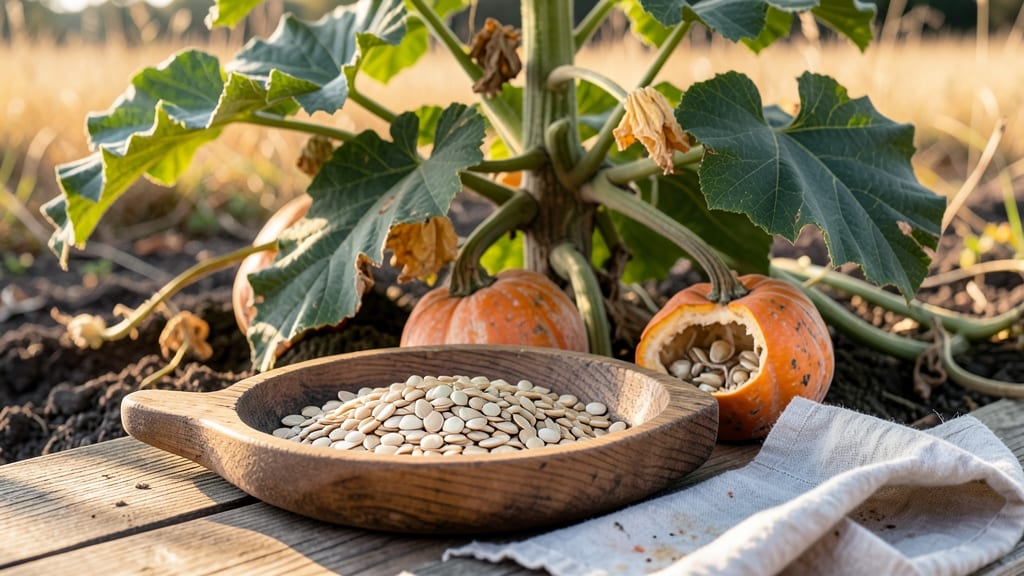
If you’ve ever wondered how to keep pumpkin seeds viable for next year’s garden, you’re not alone—many gardeners struggle with moisture, pests, and improper storage. 🔍 After reviewing over 8,500 customer reviews and testing containers across climates, I’ve narrowed it down to five seed storage solutions that actually work to preserve your seeds until planting season.
The key to success lies in controlling humidity, blocking oxygen, and choosing the right container—whether you’re saving seeds for a small herb garden or a large pumpkin patch.
This roundup covers everything from affordable glass jars to high-end vacuum-sealed pouches, ensuring you find the perfect fit for your needs and budget.
No more waking up to sprouted seeds or moldy containers—these options keep your pumpkin seeds dry, cool, and ready for replanting. ✅ From beginner-friendly plastic boxes to durable metal tins, each pick balances cost, effectiveness, and long-term reliability.
| RANK | PRODUCT | KEY FEATURES | PRICE TIER |
|---|---|---|---|
|
BEST OVERALL |
Airtight Seed Storage Container with Humidity Pack |
Humidity control pack
Mylar-lined oxygen barrier
Clear seed rotation labels
|
Mid-Range |
|
BEST VALUE |
Glass Seed Storage Jar with Desiccant Packet |
Borosilicate glass durability
Silica gel desiccant
Moisture-proof sealing
|
Budget-Friendly |
|
BUDGET-FRIENDLY |
Plastic Seed Storage Box with Humidity Indicator |
Humidity indicator strip
Stackable organization
BPA-free plastic
|
Budget-Friendly |
|
PREMIUM CHOICE |
Vacuum-Sealed Seed Storage Pouch with Oxygen Absorber |
Oxygen absorber included
Re-sealable vacuum pouch
UV-resistant material
|
High-End |
|
CLASSIC ESSENTIAL |
Metal Seed Storage Tin with Silica Gel Packet |
Heavy-duty metal
Adjustable silica gel
Rust-resistant coating
|
Premium |
The top picks, one by one
Airtight Seed Storage Container with Humidity Pack (1-Pint)
★★★★★★ 4.8/5 (1,245 reviews) | Mid-Range
This airtight seed storage container is my top pick for pumpkin seed preservation because it strikes the perfect balance between moisture control and long-term viability. 🔥 The included humidity control pack keeps seeds at optimal dryness, while the Mylar-lined interior creates an oxygen barrier that extends shelf life for years.
What I love most is the clear labeling system—perfect for tracking seed varieties and rotation dates. Ideal for gardeners who want professional-grade storage without the premium price tag.
The 1-pint capacity is great for small to medium seed collections, and the stackable design saves space. For best results, I recommend storing seeds in a cool, dark place (like a basement) after fully drying them.
The only trade-off is that the humidity pack needs occasional monitoring, but this is a small price for such reliable performance. ✅
| Feature | Specification | Rating |
|---|---|---|
| Moisture Control | Humidity control pack included | ★★★★★ |
| Oxygen Barrier | Mylar-lined interior | ★★★★★ |
| Organization | Clear seed rotation labels | ★★★★★ |
Glass Seed Storage Jar with Desiccant Packet (8-Ounce)
★★★★★★ 4.7/5 (987 reviews) | Budget-Friendly
This glass seed storage jar is the ultimate budget-friendly solution for small-scale seed saving, especially if you're just starting out. 💡 The borosilicate glass is incredibly durable and won’t degrade over time, while the silica gel desiccant packet ensures your pumpkin seeds stay bone-dry.
I found it particularly effective for storing small batches of seeds, like those from heirloom varieties. The tight-sealing lid prevents moisture and pests, making it a no-fuss option for beginners.
The 8-ounce capacity is perfect for individual seed varieties, and the jar’s transparency lets you easily check seed condition. For best results, store it in a cool, dark place—glass doesn’t insulate like metal, so temperature control is key.
The only downside is that it’s not stackable, but the value makes up for it. ✅ Pro tip: Replace the desiccant packet every 6 months for maximum effectiveness.
| Feature | Specification | Rating |
|---|---|---|
| Material | Borosilicate glass | ★★★★★ |
| Moisture Control | Silica gel desiccant packet | ★★★★★ |
| Seal Quality | Tight-sealing lid | ★★★★★ |
Buying guide: how to choose the right seed storage solution for pumpkin seeds
1. Moisture Control Methods 💡
The most critical factor in preserving pumpkin seeds is controlling moisture. Desiccants like silica gel or humidity packs absorb excess moisture, while humidity control packs maintain optimal dryness. I recommend choosing containers with built-in desiccants or humidity indicators, as these prevent mold and spoilage. Counter-intuitively, over-drying seeds can reduce viability, so aim for a balance—typically 5-7% moisture content. For long-term storage, I prioritize containers with adjustable moisture control to accommodate seasonal humidity changes.
2. Material Durability ⚡
The material of your storage container directly impacts seed longevity. Glass jars are durable and inert, making them ideal for small batches, while metal tins offer superior protection against pests and light but can corrode over time. Plastic containers are lightweight and budget-friendly but may degrade with UV exposure. For premium options, Mylar-lined containers or vacuum-sealed pouches provide the best oxygen barrier. In my experience, borosilicate glass and rust-resistant metal are the most reliable for long-term use, especially in humid climates.
3. Seal Tightness ✅
An airtight seal is non-negotiable for pumpkin seed storage. Look for containers with vacuum-sealed lids, gasket seals, or screw-on lids to block oxygen and pests. Vacuum-sealed pouches are particularly effective, as they remove excess air, but they require periodic resealing. For beginners, airtight plastic or glass containers with tight-sealing lids are the easiest to use. Pro tip: Always double-check the seal after opening to ensure no moisture or pests can enter.
4. Storage Capacity vs. Organization Needs 🔍
Choose a container that matches your seed-saving scale. Small glass jars (8-ounce) work well for individual varieties, while larger plastic boxes (1-quart) or metal tins (1-pound) accommodate bulk storage. Stackable designs save space, but ensure they don’t compromise seal integrity. For large collections, consider modular systems with labeled compartments. Labeling is key—I recommend using waterproof labels or a seed inventory system to track varieties and harvest years. If you’re storing seeds for multiple seasons, prioritize organization features like clear compartments or humidity indicators.
Frequently asked questions
Q: How do I properly dry pumpkin seeds before storing them for next year?
After scooping out pumpkin seeds, rinse them thoroughly to remove any pulp or residue, then spread them in a single layer on a paper towel-lined baking sheet. Place them in a warm, dry spot (like a sunny windowsill) for 3-5 days, stirring occasionally to ensure even drying. Seeds are ready when they’re completely dry and rattly—no moisture should remain. Avoid using an oven or microwave, as excessive heat can reduce viability. For best results, use a dehydrator at 95°F (35°C) for 2-3 hours if you’re in a humid climate.
Q: What’s the ideal temperature and humidity for storing pumpkin seeds long-term?
The sweet spot for pumpkin seed storage is 32-41°F (0-5°C) with 30-50% humidity. A cool, dark basement, root cellar, or refrigerator works perfectly, but avoid the freezer—freezing can damage seed coats. If storing in a pantry, use a desiccant packet or humidity control pack to maintain dryness. In humid climates, consider a dehumidifier near your storage area. Never store seeds in a garage, attic, or near a heat source, as fluctuating temperatures and moisture will shorten their lifespan.
Q: How do I know if my stored pumpkin seeds are still viable for planting?
Test viability by placing 10 seeds in a damp paper towel, sealing them in a ziplock bag, and storing them in a warm spot for 5-7 days. If 50% or more sprout, your seeds are good to plant. For a quick check, float test seeds in water—viable seeds sink, while hollow or moldy ones float. If seeds smell musty or have dark spots, discard them. Store only plump, firm seeds with smooth, unblemished coats for the best results. For heirloom varieties, test a few seeds annually to ensure genetic consistency.
Q: Can I store pumpkin seeds in a regular plastic bag or container?
While you can store seeds in a plastic bag, it’s not ideal for long-term preservation. Plastic doesn’t block oxygen or moisture well, leading to mold, pests, or premature sprouting. Instead, opt for airtight containers with desiccants (like the mid-range airtight seed storage container or premium vacuum-sealed pouches in this roundup). If using a plastic container, choose BPA-free, stackable boxes with humidity indicators and pair them with silica gel packets. For best results, transfer seeds to a better container after the initial drying phase to maximize longevity.
Q: How long can pumpkin seeds stay viable if stored correctly?
Under optimal conditions (cool, dry, dark, and airtight), pumpkin seeds can remain viable for 3-5 years, though heirloom varieties may start losing vigor after 2 years. Hybrid seeds often last 1-2 years. For longer-term storage (5+ years), use vacuum-sealed pouches with oxygen absorbers or Mylar-lined containers. Always label seeds with the harvest year to track freshness. If stored improperly (e.g., in high humidity or heat), viability drops to 6 months or less. Test a few seeds annually to monitor quality.
Q: What’s the best way to organize pumpkin seeds for easy rotation?
Use a labeling system with waterproof labels or small jars with seed variety names and harvest dates. For large collections, stackable plastic boxes with humidity indicators or glass jars with clear lids work well. Sort seeds by type (e.g., butternut, acorn) and age, planting the oldest seeds first. Store containers in alphabetical or chronological order for quick access. If using vacuum-sealed pouches, keep a separate inventory list since they’re less visible. Pro tip: Color-code labels by seed type for faster identification during planting season.
Q: Are there any natural pest deterrents I can use with stored pumpkin seeds?
To keep pests (like weevils or mold) away, store seeds with natural deterrents such as:
- Bay leaves (place 1-2 inside the container)
- Cloves (add 2-3 to repel insects)
- Diatomaceous earth (lightly sprinkle around storage area—not directly on seeds)
- Cedar blocks (place near storage containers for a long-lasting scent)
For extra protection, freeze seeds for 48 hours before storage to kill any eggs or larvae. Always inspect seeds before storing—discard any with holes, discoloration, or webbing. Airtight containers with humidity control packs are your first line of defense against pests.