
Propagation
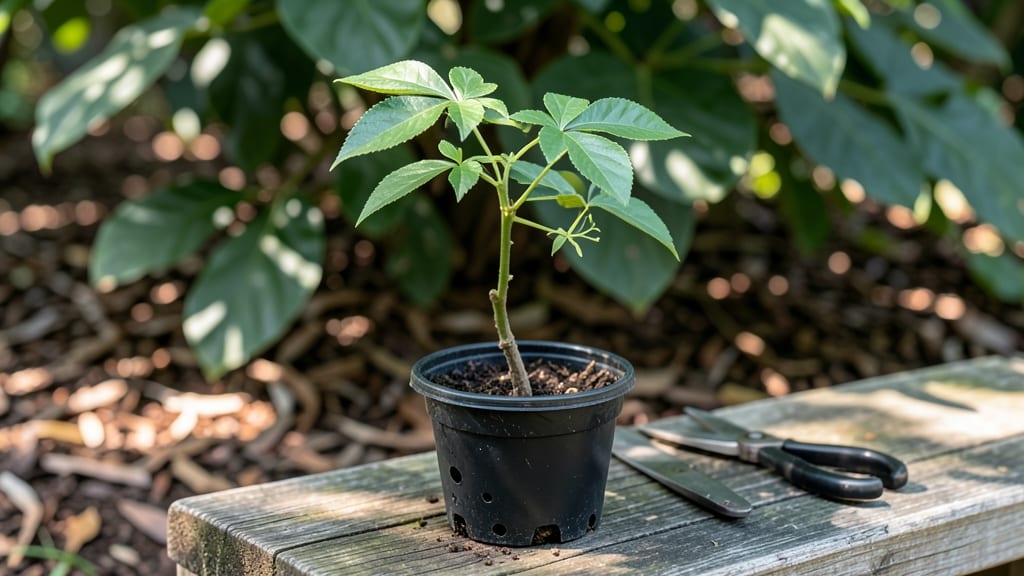
Growing quenepas from seed unlocks sweet, tangy fruit that tastes like a mix of pineapple, grape, and citrus—if you can wait through the slow start. 🌱 The key is patience, since these tropical gems take 3-5 years to bear fruit, but the journey is worth it for homegrown harvests that last from summer through fall.
I learned the hard way that rushing germination or skipping soil prep leads to leggy seedlings that struggle to thrive.
Start with fresh seeds (or dried pulp) planted just ¼-inch deep in a well-draining mix of peat and perlite. Keep the soil warm—75-85°F—using a heat mat if needed, and maintain consistent moisture without soggy soil.
Germination takes 4-8 weeks, and seedlings need bright indirect light until they're strong enough for direct sun. My first batch sprouted in 6 weeks when I kept them under a grow light.
Once outdoors, quenepas crave full sun and shelter from strong winds, which can damage their delicate branches. Prune lightly to encourage bushier growth, and feed with citrus fertilizer every 6-8 weeks during growing season.
The real payoff comes when you see those first small, round fruits forming—each one a reward for years of careful nurturing.
For cooler climates, grow in containers and bring indoors before frost, or plant near a south-facing wall. Even in tropical zones, mulch heavily to protect roots from heat stress. The secret to success? Don't expect quick results—quenepas reward long-term commitment with fruit that's sweeter than anything you'll find in stores.
📚 In This Guide
- What you need
- Instructions
- Tips and common mistakes
- Wrapping up and next steps
What you need
- ● Quenepa seeds: 5–10 fresh, high-quality seeds (harvested from ripe fruit or purchased from a reputable supplier).
- ● Seed-starting mix: 1–2 bags (5–10 quarts) of sterile, well-draining potting soil (look for a mix labeled for tropical or citrus plants).
- ● Small pots or seed trays: 3–5 biodegradable or plastic pots (3–4 inches in diameter) or a seed tray with individual cells.
- ● Grow lights or sunny windowsill: A full-spectrum LED grow light (12–16 hours/day) or a south-facing window with bright, indirect light.
- ● Spray bottle: For gentle watering (avoid over-saturating seeds).
- ● Plastic wrap or humidity dome: To create a mini greenhouse effect while seeds germinate.
- ● Fertilizer: A balanced, water-soluble fertilizer (e.g., 10-10-10 or 20-20-20) for young seedlings (dilute to half-strength).
- ○ Larger containers (optional): 1–2 gallon pots or a raised bed (for transplanting seedlings once they’re 4–6 inches tall).
- ● Warmth: Quenepas thrive in 70–85°F (21–29°C) temperatures. Use a heat mat (75–85°F) if your home is cooler.
- ● Humidity: Aim for 60–70% humidity during germination (a humidity tray or pebble tray helps!).
- ● Patience: Germination can take 2–6 weeks—stay consistent with care!
- ● Location: Quenepas are tropical; if you live in a cooler climate, plan to grow them in containers indoors or a greenhouse.
- ● pH test kit (ideal soil pH: 5.5–6.5).
- ● Organic compost or worm castings for nutrient-rich soil.
- ● Trellis or support stakes (quenepas can grow 10–15 feet tall!).
- ● Pruning shears (for shaping and maintaining your plant).
Step-by-step instructions for growing quenepas from seed
Here's how to coax these tropical gems from tiny seeds into thriving plants.
🌱 Step 1: Extract and Prepare Quenepa Seeds
Start by saving seeds from fully ripe quenepas—look for deep orange fruit that yields slightly when pressed. Cut the fruit open and scoop out the seeds, which resemble small, flat beans with a shiny outer coat. Rinse them gently to remove any pulp, then spread them on a paper towel to dry for 24 hours at room temperature.
Once dry, store the seeds in a sealed container in the refrigerator for 2-3 months to break their natural dormancy. This cold treatment mimics winter conditions and signals the seed it's time to germinate. I always label the container with the date—quenepa seeds lose viability after about 6 months in storage.
💧 Step 2: Soak and Plant the Seeds
Fill small seedling pots with a well-draining mix of 50% potting soil and 50% perlite to prevent rot. Soak the seeds in warm water for 12 hours before planting—this softens the hard outer shell and speeds up germination. After soaking, plant each seed about ½ inch deep in its own pot, spacing them 1 inch apart.
Place the pots in a shallow tray filled with 1 inch of water to maintain consistent moisture without overwatering. Cover the tray with plastic wrap to create a humid environment, then place it in a warm spot with 75-80°F temperatures. Germination can take 4-8 weeks, so patience is key—don't disturb the soil until you see tiny sprouts.
☀️ Step 3: Provide Warmth and Light for Seedlings
Once sprouts emerge, remove the plastic wrap immediately to prevent fungal growth. Move the seedlings to a bright location with indirect sunlight—direct sun can scorch their delicate leaves. A south-facing window works well, but supplement with a grow light if natural light is insufficient. Keep the soil lightly moist, watering only when the top ½ inch feels dry.
When seedlings develop their second set of true leaves (not the initial seed leaves), transplant them into slightly larger pots—3-4 inches in diameter—filled with a mix of 60% potting soil and 40% coconut coir. This blend retains moisture while allowing roots to breathe. Fertilize lightly with a balanced, water-soluble fertilizer diluted to half strength every 4 weeks.
🪴 Step 4: Transition to Larger Containers
Quenepas grow slowly at first but eventually need room to thrive. After 6-8 months, when the plants reach 12-18 inches tall, repot them into 5-gallon containers or larger. Use a mix of 50% potting soil, 30% compost, and 20% perlite for optimal drainage and nutrition. Choose containers with drainage holes to prevent root rot.
Place the larger pots in a location with full sun exposure—quenepas crave warmth and need at least 6-8 hours of direct sunlight daily. If growing indoors, a greenhouse or sunny patio works best. During the first 2 weeks after repotting, keep the soil consistently moist but avoid waterlogging. Once established, water deeply when the top 1-2 inches of soil dry out.
⏰ Step 5: Support Growth and Prepare for Fruit
As your quenepa plants mature, they'll need support to handle their weight. Install a small trellis or sturdy stake near each plant to guide their growth. Prune leggy or overcrowded branches to encourage bushier growth and better airflow. Pinch back the tips of new growth when the plant reaches 2 feet tall to promote branching.
Fruit production typically begins after 2-3 years, but patience pays off. Quenepas are self-pollinating, but you can gently shake the plants or use a small brush to transfer pollen between flowers to boost fruit set. Harvest ripe fruit when it turns a deep orange color and yields slightly to touch. With proper care, your quenepa plants can produce fruit year-round in warm climates.
Tips & tricks for growing quenepas from seed
Here's what nobody tells you about growing these tropical delights from scratch.
Seed Selection: Always choose seeds from fully ripe quenepas that yield slightly when pressed—this ensures maximum germination potential. I've learned the hard way that underripe fruit produces seeds that either won't sprout or grow into weak plants. Store seeds in a sealed container with a damp paper towel at room temperature for the initial 24 hours drying period—this prevents mold while allowing proper moisture loss.
Cold Treatment Timing: The 2-3 months cold stratification period is non-negotiable for breaking dormancy, but don't exceed 6 months—seeds lose viability over time. I recommend starting your countdown immediately after drying to maintain freshness. Place a small piece of chalk with the date on the container lid so you don't lose track, especially if you're growing multiple varieties.
Germination Environment: Maintain that 75-80°F temperature range consistently during germination—fluctuations can delay sprouting or cause seed rot. I've found that placing the seed tray on top of a refrigerator (not inside) provides stable warmth without risking overheating. Use a digital thermometer to monitor temperatures if your home environment varies significantly.
Transplanting Strategy: When your seedlings reach the second set of true leaves stage, handle them gently to avoid root damage. I use a small spoon to lift each seedling rather than pulling—this preserves the delicate root structure. Water thoroughly before transplanting to reduce shock, and keep the new pots in indirect light for the first 3-4 days to help them acclimate.
Pro Tips for Grow Quenepas From Seed
- Here's what nobody tells you about growing these tropical delights from scratch.
- Seed Selection: Always choose seeds from fully ripe quenepas that yield slightly when pressed—this ensures maximum germination potential.
- Cold Treatment Timing: The 2-3 months cold stratification period is non-negotiable for breaking dormancy, but don't exceed 6 months—seeds lose viability over time.
Frequently asked questions
Got questions about growing quenepas from seed? You’re not alone! Here are some of the most common concerns—and their answers—to help you grow like a pro.
How long does it take for quenepa seeds to germinate?
Quenepa seeds typically germinate in 2 to 4 weeks if kept in warm, moist conditions (around 75–85°F). Patience is key—some seeds may take longer, especially if they’re fresh. Use a heat mat or place them near a sunny window to speed things up. Pro tip: Soak seeds overnight before planting to soften the hard outer shell!
Can I grow quenepas indoors, or do they need a tropical climate?
Quenepas thrive in USDA Zones 10–12, but you can grow them indoors in pots with bright, indirect light (like near a south-facing window). Use a grow light if natural light is limited. In cooler climates, move pots indoors during winter or grow them in a greenhouse. Just ensure they get 6+ hours of sunlight daily for fruiting.
Why aren’t my quenepa seedlings producing fruit?
Young quenepa plants (under 2–3 years old) focus on root and leaf growth, not fruit. To encourage fruiting, ensure your plant gets full sun, regular watering, and balanced fertilizer (like 10-10-10). If your plant is mature but still not fruiting, it may need cross-pollination—quenepas are self-pollinating but benefit from nearby plants or gentle hand-pollination with a brush.
What’s the best way to harvest quenepa fruit?
Harvest quenepas when they’re firm, bright green, and slightly soft to the touch—usually 6–12 months after flowering. Gently twist or cut them from the stem (avoid pulling to prevent damage). Don’t wait for them to turn yellow or fall—overripe fruit gets mealy. Store harvested quenepas in a cool, dry place for up to 2 weeks, or refrigerate for longer shelf life.
Can I grow quenepas from store-bought fruit?
Yes! Save seeds from organic, fresh quenepas (avoid processed or treated fruit). Rinse, dry, and plant them immediately, or store them in a cool, dry place for up to 6 months. However, seed-grown plants may not produce fruit identical to the parent plant—grafting is better for consistent varieties. If you want reliable fruit, consider buying a grafted quenepa sapling from a nursery.
Wrapping up and next steps
Growing quenepas from seed is a rewarding journey—one that blends patience with the joy of nurturing a tropical fruit tree! 🌱 With the right soil, sunlight, and care, you’ll soon enjoy sweet, golden harvests straight from your backyard.
Whether you’re a beginner or a seasoned gardener, every step brings you closer to that first taste of homegrown quenepas.
Ready to take the next step? Start by planting your seeds today and watch your tropical oasis grow. Share your progress with fellow gardeners, and don’t forget to experiment with different varieties—your garden (and taste buds) will thank you! 🌟