
Size
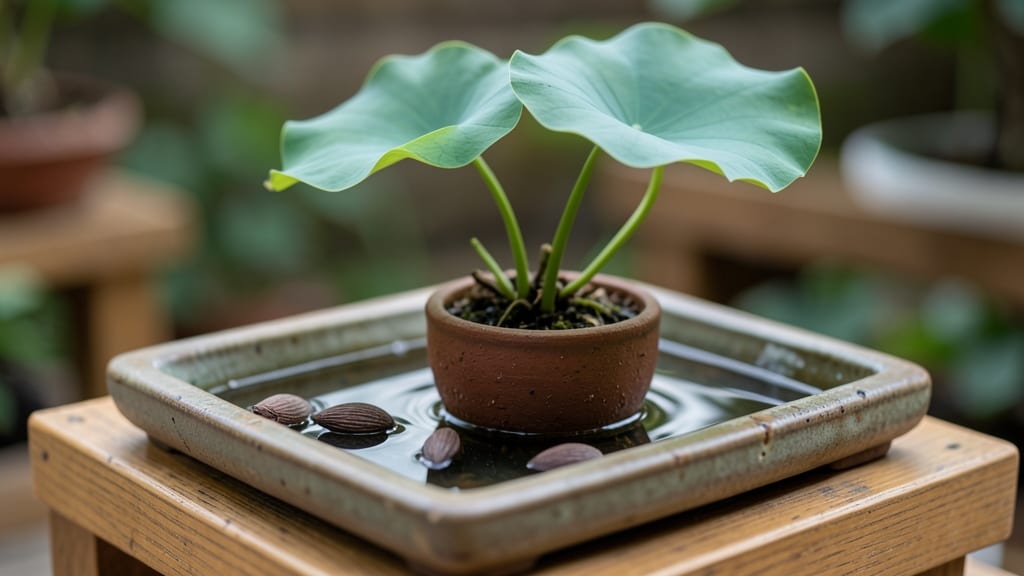
Growing bonsai lotus seeds transforms patience into art. 🌿 These delicate aquatic plants demand precision, but the reward—a miniature water garden—is worth every careful step. Unlike traditional lotuses, bonsai versions thrive in shallow containers, their roots submerged just enough to mimic nature’s balance.
The process starts with soaked seeds and a shallow tray (2–3 inches deep), where roots will grow downward while leaves float upward. You’ll need fine gravel for drainage, aquatic soil mix, and a gentle water source—no pumps required.
Germination takes 4–6 weeks, but the wait reveals tiny green shoots breaking the surface. Once established, your bonsai lotus will reward you with delicate pink blooms in summer, their petals unfurling like nature’s own brushstrokes.
Pruning leaves and roots keeps the shape refined, while occasional fertilizer adjustments ensure vibrant growth. Challenges like algae or stagnant water are easy to avoid with the right setup. This isn’t just gardening—it’s sculpting a living masterpiece. Whether you’re a beginner or a seasoned grower, the key is consistency.
Let’s get those seeds sprouting!
📚 In This Guide
- What you need
- Instructions
- Tips and common mistakes
- Wrapping up and next steps
What you need
- ● Bonsai lotus seeds: 5–10 seeds (ensure they’re fresh or pre-soaked for faster germination).
- ● Shallow container: A wide, low-sided tray (6–8 inches in diameter) with drainage holes—think of a repurposed baking dish or a specialized bonsai nursery pot.
- ● Growing medium: Primary: 50% organic potting soil (lightweight, well-draining mix like cactus/succulent blend).
- ● Secondary: 50% perlite or coarse sand (to prevent compaction and improve aeration).
- ● Water: Dechlorinated (use rainwater, distilled water, or tap water left out for 24 hours).
- ○ Heat mat (optional but helpful): A seedling heat mat (set to 75–85°F) to speed up germination.
- ● Humidity dome or plastic wrap: To maintain moisture and warmth during germination.
- ○ Small fan (optional): For gentle airflow to strengthen seedlings once sprouted.
- ● Miniature pond or water feature: A shallow dish (3–5 inches deep) with a small water pump (for circulation) or a bonsai water tray.
- ● Bonsai wire or clips: 18–20 gauge aluminum wire (for shaping as the plant matures).
- ● Pruning shears: Sharp, small-bladed shears for trimming leaves and roots.
- ● Slow-release fertilizer: A balanced, water-soluble fertilizer (diluted to half-strength) for bonsai plants.
- ● Moss or aquatic substrate: Sphagnum moss or hydroton beads (for anchoring and aesthetics).
- ● 💡 Seed prep: Soak seeds in warm water for 12–24 hours before planting to soften the outer shell.
- ● 🌡️ Temperature control: Lotus seeds germinate best in warm conditions (70–80°F). Use a heat mat if your space is cool!
- ● ✨ Patience is key: Germination can take 2–6 weeks—don’t give up if sprouts are slow to appear.
Step-by-step instructions for growing bonsai lotus seeds
Mastering bonsai lotus takes precision and patience—here's how to coax those delicate seeds into miniature water garden treasures.
🌱 Step 1: Stratify Seeds for Successful Germination
Bonsai lotus seeds need a cold stratification period to break dormancy. Place the seeds in a sealed container with slightly damp sphagnum moss and refrigerate for 8-12 weeks. Check weekly—moss should stay moist but not soggy. This mimics winter's natural chilling process that triggers germination.
Don't skip this step. Unstratified seeds may take months to sprout or never break dormancy. I've learned the hard way—skipping stratification means waiting twice as long for results. After 8 weeks, remove the container and let it sit at room temperature for 1-2 weeks before planting.
☀️ Step 2: Prepare the Water Container and Plant
Fill a shallow, wide container (at least 12 inches in diameter) with 2-3 inches of clean, dechlorinated water. Place the stratified seeds gently on the water's surface—they'll float naturally. Cover loosely with a mesh screen to prevent debris while allowing light penetration.
Position the container in a spot with 6-8 hours of indirect sunlight daily. Direct sun will scorch delicate seedlings. Watch for tiny green sprouts breaking the water's surface in 4-8 weeks. Patience here is key—rushing the process risks weak, leggy seedlings.
💧 Step 3: Transplant Seedlings to Soil
Once seedlings develop 2-3 true leaves and roots reach 1-2 inches long, carefully transfer them to individual containers filled with a mix of 50% peat moss and 50% perlite. Keep the root zone submerged in ½ inch of water at all times—never let it dry out completely.
Place each seedling in a 4-inch pot with drainage holes. Use a soft wooden stick to gently press soil around roots without compacting. Maintain 70-75°F temperatures and 70% humidity for optimal growth. You'll notice new leaves emerging within 2-3 weeks if conditions are ideal.
✂️ Step 4: Prune and Train for Bonsai Form
When seedlings reach 4-6 inches tall, begin shaping by pinching back the main stem just above a leaf node. This encourages bushier growth. Use bonsai wire to gently guide branches into your desired shape—lotus responds well to training when young.
After 6 months of growth, repot into a 6-inch bonsai tray with a specialized bonsai mix (50% akadama, 30% pumice, 20% peat). Reduce water slightly during dormancy periods (fall/winter) but never let roots dry completely. Regular misting keeps humidity high for delicate foliage.
🪴 Step 5: Maintain Miniature Growth Conditions
Keep your bonsai lotus in a location with bright, filtered light—avoid harsh afternoon sun. During active growth (spring-summer), fertilize weekly with diluted liquid bonsai fertilizer (½ strength). In winter, reduce to monthly feedings as growth slows.
Watch for signs of overwatering (yellow leaves) or underwatering (drooping foliage). Adjust your watering schedule—roots should always have access to moisture but never sit in stagnant water. With consistent care, your bonsai lotus will reward you with miniature blooms in 3-5 years.
Tips & tricks for perfect bonsai lotus cultivation
These insider secrets will help you navigate the delicate balance between patience and precision—critical for transforming seeds into thriving miniature water gardens.
Stratification Precision: The 8-12 week cold period is non-negotiable for breaking dormancy, but consistency matters just as much as time. I place my sealed container in the crisper drawer of my fridge where temperatures stay steady at 35-40°F—closer to natural winter conditions. Use a small fan on low to gently circulate air and prevent mold. The moss should feel like a wrung-out sponge: damp enough to maintain humidity but never soggy. If condensation forms inside the container, open it briefly to air out.
Lighting Strategy: Those 6-8 hours of indirect sunlight are your golden window—literally. I position my seedlings near an east-facing window where morning light is gentle but sufficient. For indoor growers without ideal light, supplement with a full-spectrum LED grow light 12 inches above the container for 10-12 hours daily. Watch for seedlings stretching toward light (etiolation)—this means they're not getting enough. Rotate the container quarter-turn daily for even growth. Direct sun will scorch delicate leaves within hours, so even brief afternoon exposure can cause permanent damage.
Transplant Timing: Waiting for 2-3 true leaves and 1-2 inch roots ensures your seedlings have developed enough energy reserves to survive the transition. I time my transplanting for early spring when natural light increases and temperatures stabilize. Use a soft paintbrush to gently coax roots into the soil mix—never force them. The ½ inch water level in the pot should be maintained by adding dechlorinated water directly to the surface, not poured around the roots. This prevents soil compaction and root shock.
Humidity Management: The 70% humidity requirement is often the trickiest part for indoor growers. I place my seedlings on a humidity tray filled with pebbles and water, with the pot elevated above the surface. For winter maintenance, I add a small humidifier nearby and mist foliage daily. Watch for condensation on leaves in the morning—this indicates adequate humidity. If leaves develop brown tips, increase humidity immediately. The goal is to mimic the tropical conditions lotus thrives in while preventing fungal issues from excess moisture.
Pro Tips for Grow Bonsai Lotus Seeds
- These insider secrets will help you navigate the delicate balance between patience and precision—critical for transforming seeds into thriving miniature water gardens.
- Stratification Precision: The 8-12 week cold period is non-negotiable for breaking dormancy, but consistency matters just as much as time.
- Lighting Strategy: Those 6-8 hours of indirect sunlight are your golden window—literally.
Frequently asked questions
Got questions about growing bonsai lotus seeds? You’re not alone—this delicate art takes patience and precision! Here are answers to the most common queries to help you navigate your miniature water garden journey.
How long does it take for bonsai lotus seeds to germinate?
Germination can take anywhere from 2 weeks to 3 months, depending on water temperature (ideal: 75–85°F), seed quality, and consistency of moisture. Keep seeds submerged in warm, stagnant water and avoid disturbing them—patience is key! If nothing sprouts after 4 months, they may need stratification (cold treatment) or could be non-viable.
Can I grow bonsai lotus indoors?
While possible, it’s challenging. Bonsai lotus thrive in outdoor ponds with full sun (6+ hours daily) and stable temperatures. If indoors, use a grow light, maintain 70–80°F humidity, and ensure a shallow water feature (like a koi pond) with filtered water. Most growers recommend outdoor conditions for best results.
What if my bonsai lotus leaves turn yellow?
Yellowing leaves usually signal nutrient deficiency, overwatering, or poor drainage. Check your water quality (lotus hate chlorine)—use dechlorinated or rainwater. If roots smell sour or look mushy, reduce water depth and trim damaged foliage. Add a light fertilizer (like fish emulsion) monthly during growing seasons (spring–fall).
How do I revive a dormant bonsai lotus?
Dormancy is natural in winter (Dec–Feb), but if your plant seems too dormant, gently rinse roots in warm water and place it in shallow, stagnant water under bright light. Avoid forcing growth—wait until spring to prune dead leaves. If roots are completely black/mushy, repot in fresh, sterile soil and start fresh.
Are there faster-growing alternatives to bonsai lotus?
If you’re eager for quicker results, consider:
- Miniature water lilies (Nymphaea ‘Pygmaea Helvola’): Germinate faster (4–8 weeks) and stay compact.
- Dwarf lotus hybrids (e.g., Nelumbo lutea ‘Alba’): Grow slower but are hardier.
- Japanese water fern (Azolla): A floating, low-maintenance option for tiny ponds.
Wrapping up and next steps
Growing a bonsai lotus from seeds is a rewarding journey that blends patience, creativity, and a deep connection to nature. 🌱 With the right soil, water, and care, you’ll nurture a stunning miniature water garden that thrives in even the smallest spaces.
Start small—whether it’s a single seedling or a cluster—and watch your vision unfold over time.
Ready to dive in? Pick your container, gather your supplies, and plant those seeds today! Your future bonsai lotus awaits—happy growing! 🌸