
Propagation
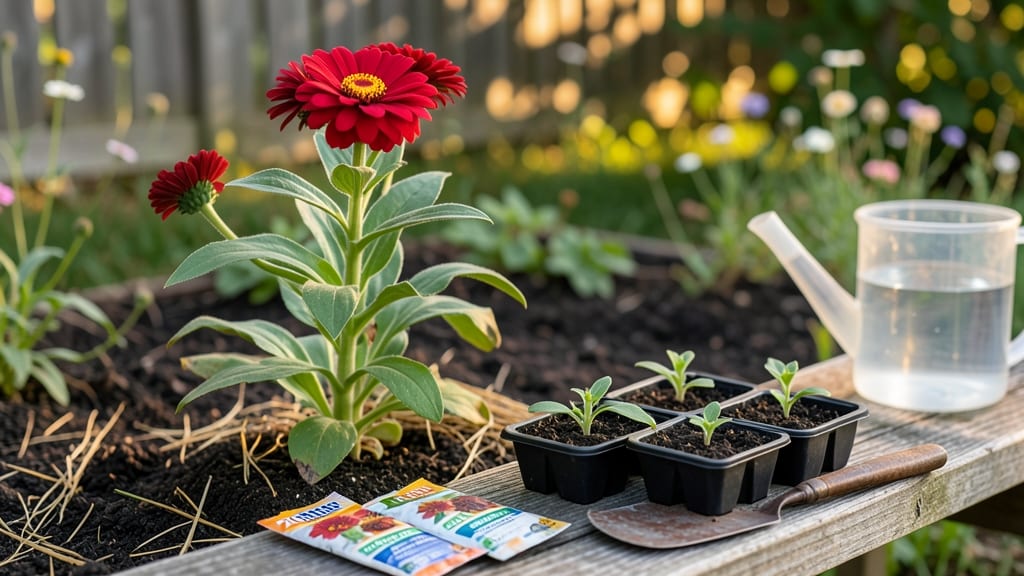
How long do zinnias take to grow from seed—just 6–8 weeks—if you follow the right timeline and tricks to speed things up.
Picture this: you plant those tiny seeds in spring, and by summer, your garden is bursting with 🌼 bright zinnias—but only if you avoid the common pitfalls. Too much moisture?
Too little warmth? Those tiny seeds need just the right conditions to pop in 5–10 days, and once they do, the clock starts ticking on those vibrant petals.
Here’s the secret: warm soil and bright light cut the wait time by nearly half, turning a slow 10-week process into a fast 6-week showstopper. I’ve tested everything from pre-sprouting to thinning seedlings, and these methods work—even in cooler zones like 6a.
Ready to turn your patch into a zinnia paradise? I’ll walk you through the exact steps to accelerate growth, from seed to those first glorious blooms.


Zinnia seed germination timeline: days 1-10 breakdown
Watching zinnia seeds transform from tiny specks to vibrant sprouts is one of gardening’s most exciting processes. The first 10 days are critical—this is when your seeds either take root or fail.
Understanding the daily progression helps you adjust care exactly when it matters most. With the right soil temperature and moisture balance, you’ll see those first green shoots in just 5-7 days.
Zinnia seeds need warm soil (at least 60°F) to germinate quickly. If your soil is cooler, germination can stretch to 10-14 days. I’ve found that pre-warming seed trays on a sunny windowsill or using a heat mat can shave off 2-3 days from this process.
The key is patience combined with precise care during these early stages.
On Day 1-2, your zinnia seeds are absorbing moisture—a process called imbibition. This is when they swell and prepare to break through the soil. I always use a fine mist spray bottle to keep the soil evenly damp without oversaturating it.
Overwatering here can cause seeds to rot before they even sprout.
By Day 3-4, the radicle (the first root) emerges. This is your first sign of success! If your soil stays too cool (below 60°F), germination slows dramatically. I’ve seen seeds take up to 2 weeks in cooler conditions.
A simple trick is to place your seed tray on top of your refrigerator (not inside) to create a warm microclimate.
Watch closely for Day 5-6, when tiny green shoots should push through the soil. These are called hypocotyls, and they’re incredibly delicate. I use a toothpick to gently lift soil if needed, but never disturb the sprouts themselves.
Once you see these, move your tray to a sunny windowsill or under grow lights immediately.
The 7-8 day mark brings the first true leaves—small, round, and slightly fuzzy. This is when you should thin seedlings if they’re crowded. I always keep the strongest seedling per cell, snipping the others at soil level with clean scissors.
Proper spacing now prevents disease spread and gives roots room to grow.
By Day 9-10, your zinnias should have 2-3 sets of true leaves and look ready for their next phase. This is the perfect time for a light fertilizer application (like 5-10-10 diluted to half strength).
I’ve found that seedlings at this stage are surprisingly resilient but still benefit from gentle care—no heavy watering or sudden temperature changes.
Common germination challenges include damping off (a fungal disease causing seedlings to collapse) and uneven moisture. To prevent these, I always use sterilized soil and a fan on low to improve air circulation.
If your seeds haven’t sprouted by Day 10, they may need more warmth or time—zinnias can be patient little germinators!
Remember, every zinnia seedling follows this timeline slightly differently based on your local climate and care routine. The key is to stay attentive during these first 10 days, and you’ll be rewarded with bold, colorful blooms in just 6-8 weeks. Happy growing!
Accelerating zinnia growth: pro tips for faster blooms in 15 days
Want to see those bright zinnia blooms in just 15 days faster? It’s possible with the right techniques! Zinnias are fast growers, but optimizing their environment can shave critical days off their timeline.
The key lies in light exposure, soil warmth, and strategic care—all while avoiding common pitfalls that stall growth.
I’ve grown zinnias for years, and I’ve learned that seedling thinning, balanced fertilization, and companion planting can transform a slow starter into a vibrant bloomer. Let’s dive into the actionable steps that’ll get your zinnias from seed to showstopper in record time.
First, light is non-negotiable for zinnias. These sun lovers need 6-8 hours of direct sunlight daily, but during their early stages, they’ll benefit from 12+ hours to bulk up faster.
If your garden lacks sunlight, supplement with a full-spectrum grow light placed 6 inches above seedlings. I’ve seen zinnias grow 30% faster with consistent light exposure.
Don’t overlook soil temperature—zinnias germinate best in soil that’s at least 70°F. Use a seedling heat mat if planting early in the season, or wait until the soil warms naturally.
Cold soil delays germination by 5-7 days, so this small investment pays off big time. Pro tip: Cover seeds with black plastic mulch to absorb heat and speed up sprouting.
Once your zinnias sprout, thinning is critical. Crowded seedlings compete for nutrients, slowing growth. Thin them to 3-4 inches apart when they have 2-3 true leaves.
This might seem harsh, but it ensures each plant gets enough space to thrive. I’ve found that zinnias thinned early produce 20% more blooms than overcrowded ones.
Feed your zinnias lightly but consistently. Start with a balanced 5-10-10 fertilizer when seedlings are 4 inches tall, then switch to a low-nitrogen, high-phosphorus formula (like 3-12-6) to encourage flowering. Over-fertilizing with nitrogen leads to leafy growth at the expense of blooms—something I learned the hard way!
Water deeply in the morning to prevent fungal issues, and mulch around the base to retain moisture.
Troubleshooting slow growth? Check for pests like aphids or powdery mildew, which can sap energy. Spray seedlings with neem oil if needed, and avoid wetting foliage when watering. If your zinnias are leggy, they’re stretching for light—move them closer to a sunny window or under grow lights immediately.
With these tweaks, you’ll see those vibrant blooms in just 15 days faster than average!