
Size
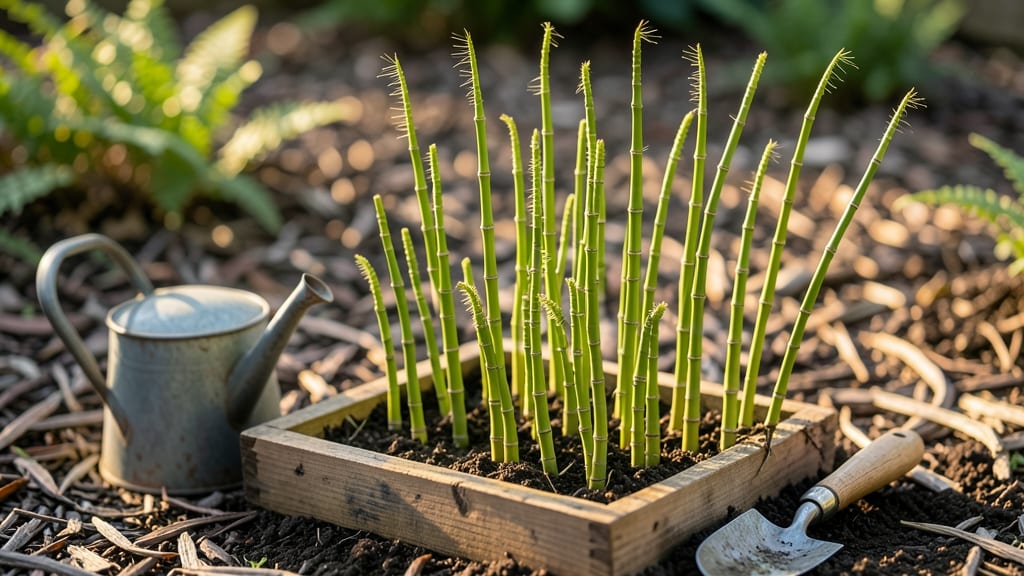
Growing horsetail seed in a garden gives you a fast, hardy plant that thrives where most won’t—even in poor soil. ✨ The secret? Cold-stratifying those tough little seeds mimics winter’s natural process, tricking them into breaking dormancy and sprouting within weeks instead of months.
I’ve used this method to fill bare spots in my garden with lush, feathery green that stays green all year, even in shade.
You’ll need a few simple supplies: a plastic bag, damp paper towels, some potting mix, and a sunny spot. The process takes about 6-8 weeks total—half that for stratification, then another month for germination.
Horsetail seeds are stubborn, but once they crack that shell, they grow like weeds, perfect for erosion control or as a dramatic textural accent in garden borders.
By the time you’re ready to transplant, you’ll have 6-12 inch seedlings that handle everything from drought to foot traffic. The best part? These plants spread quickly, creating dense mats that crowd out weeds naturally. No fuss, no babying—just reliable, fast coverage that looks intentional from day one.
Works great for both spring and fall planting, so you can time it to your zone’s frost dates. Whether you’re fixing a slope or adding vertical interest to a shady corner, horsetail delivers results without the drama. Let’s get those seeds sprouting!
📚 In This Guide
- What you need
- Instructions
- Tips and common mistakes
- Wrapping up and next steps
What you need
- ● Horsetail seeds: 1–2 oz (30–60g) for a small garden patch or 4–6 oz (120–180g) for larger areas.
- ● Cold-stratification supplies: 1–2 paper towels or dampened peat moss
- ● 1 resealable plastic bag (quart or gallon size)
- ● Refrigerator with a crisper drawer (34–40°F / 1–4°C)
- ● Planting containers: Seed trays (72-cell) or small pots (3–4 inches deep) with drainage holes.
- ● Potting mix: Well-draining, sterile seed-starting mix (avoid garden soil).
- ● Watering can or spray bottle: With a gentle misting nozzle.
- ● Grow lights or sunny windowsill: 6–8 hours of light daily (south-facing window or LED grow lights).
- ○ Heat mat (optional but helpful): For faster germination (70–75°F / 21–24°C).
- ● Humidity dome: To retain moisture during early growth.
- ● pH test kit: Horsetail prefers slightly acidic soil (pH 6.0–7.0).
- ● Fertilizer (low-nitrogen): Like fish emulsion (1:10 dilution) after 3–4 weeks.
- ● Transplanting tools: Small hand trowel or dibber for delicate seedlings.
- ● Garden journal: To track stratification dates and germination progress!
Step-by-step instructions for cold-stratifying horsetail seeds
Here's how I guarantee fast, reliable germination using cold stratification—no guesswork, just results.
🌱 Step 1: Collect and Prepare Fresh Horsetail Seed
Horsetail seeds need to be fresh for best results. Collect mature seed cones from healthy plants in late summer or purchase from a reputable supplier. The seeds should be dark brown and fully developed inside the cone. I like to store them in a paper envelope until stratification begins—plastic traps moisture and can cause mold.
Before stratification, soak the seeds in lukewarm water for 24 hours to soften the tough outer coating. This step mimics natural spring rains and speeds up the process. After soaking, drain them thoroughly on a paper towel to prevent rot during cold treatment. You'll notice the seeds swell slightly—this is your signal they're ready for the next phase.
❄️ Step 2: Cold-Stratify for 6-8 Weeks
Place the prepared seeds in a sealed plastic bag with a small amount of damp peat moss or coconut coir—just enough to keep them lightly moist but not soggy. I use a quart-sized bag and store it in my refrigerator's crisper drawer, where temperatures stay consistently between 35-45°F. This mimics winter conditions in nature and breaks seed dormancy.
Check the bag every 2 weeks to ensure the moss remains barely damp. If it feels dry, spritz lightly with water and reseal. After 6-8 weeks, you'll see tiny white roots emerging from the seeds—that's your cue they're ready to plant. This cold treatment is non-negotiable; horsetail seeds won't germinate reliably without it.
🌿 Step 3: Plant Stratified Seeds in Moist Growing Medium
Fill a shallow tray with a mix of 50% peat moss and 50% perlite to create a fast-draining, airy medium. Moisten it until damp but not dripping—horsetail seeds rot quickly in waterlogged soil. Scatter the stratified seeds ¼ inch deep and space them 1 inch apart to prevent overcrowding later.
Cover the tray with clear plastic wrap to retain humidity and place it in a warm spot with indirect light (like a north-facing windowsill). Keep the soil surface consistently moist by misting lightly every 2-3 days. Germination typically occurs within 2-4 weeks, but be patient—some seeds may take longer, especially if they were stored dry before stratification.
☀️ Step 4: Provide Bright Light and Gradual Acclimation
The moment you see first true leaves (not the initial seed leaves), remove the plastic wrap and move the tray to a location with bright, indirect light. Horsetail seedlings need 12-14 hours of light daily to grow strong, but direct sun can scorch tender new growth. I use a grow light on a timer for consistent results.
After 4-6 weeks, when seedlings reach 2-3 inches tall, begin hardening them off by placing the tray outside in a sheltered spot for 1 hour daily. Gradually increase exposure over 10-14 days to prepare for outdoor planting. Watch for leggy growth—this signals insufficient light, so adjust your setup immediately.
🪴 Step 5: Transplant to Garden Beds or Containers
Choose a planting site with partial shade to full sun and moist, well-draining soil. Horsetail thrives in damp conditions but won't tolerate standing water. Space seedlings 12-18 inches apart in rows 18 inches apart to allow for their clumping growth habit. Dig holes slightly larger than the root ball and water deeply before transplanting.
After planting, mulch with 2 inches of organic matter (like shredded bark) to retain moisture and suppress weeds. Keep the soil consistently moist for the first 2 weeks to help roots establish. You'll see new growth within 3-4 weeks, confirming your plants are settled in. This is where horsetail's fast growth really shines—once established, it spreads quickly and fills in beautifully.
Tips & tricks for perfect horsetail seed germination
Cold stratification transforms horsetail seeds from stubborn to thriving—here's how to maximize your success without the guesswork.
Soaking Strategy: The 24-hour soak in lukewarm water isn't just about softening—it's about simulating spring rains. Use a glass jar instead of a bowl to monitor seed swelling. If seeds don't swell noticeably after 24 hours, extend soaking by another 6 hours, but never exceed 30 hours or risk weakening the seed coat.
Temperature Precision: Your refrigerator's crisper drawer should maintain 35-45°F consistently, but every fridge varies. If your home is warm (above 75°F), place the bag on the bottom shelf where it's cooler. For extra insurance, use a refrigerator thermometer—this isn't optional for reliable germination.
Moisture Monitoring: The "barely damp" moss test is critical. Squeeze a small handful—water should barely bead on your fingers, not drip. Over-moisture causes rot, while too-dry conditions halt dormancy breaking. I like to use a spray bottle with a fine mist setting for adjustments during the 6-8 week stratification period.
Light Transition: When moving seedlings to bright indirect light after true leaves appear, position them within 12 inches of the light source. South-facing windows provide ideal light intensity, but supplement with a grow light if natural light is insufficient. The 12-14 hour daily light requirement is non-negotiable for sturdy growth.
Pro Tips for Horsetail Seed Grow A Garden
- Cold stratification transforms horsetail seeds from stubborn to thriving—here's how to maximize your success without the guesswork.
- Soaking Strategy: The 24-hour soak in lukewarm water isn't just about softening—it's about simulating spring rains.
- Temperature Precision: Your refrigerator's crisper drawer should maintain 35-45°F consistently, but every fridge varies.
Frequently asked questions
Got questions about growing horsetail seeds? You’re not alone! Here are some of the most common queries—and their answers—to help you cultivate a thriving garden with ease.
How long does it take for horsetail seeds to germinate?
With proper cold stratification (4–6 weeks in the fridge), horsetail seeds typically sprout within 2–4 weeks after planting. If you skip stratification, germination can take 6–12 weeks or longer. Patience pays off—just keep the soil consistently moist!
Do I really need to cold-stratify horsetail seeds?
Yes! Horsetail seeds have a hard outer shell that requires cold, moist conditions to break dormancy. Skipping stratification? Expect slow or uneven germination. For best results, mimic winter by chilling seeds in a damp paper towel or peat moss for 4–6 weeks before planting.
Can I grow horsetail seeds indoors first?
Start seeds indoors in small pots with well-draining soil, keeping them in a sunny window or under grow lights. Once seedlings reach 3–4 inches tall and true leaves appear, transplant them outdoors after the last frost. Pro tip: Harden off seedlings gradually to avoid shock!
What if my horsetail seeds won’t sprout?
Try these fixes:
- Check moisture: Soil should stay damp (not soggy) but never dry out.
- Test stratification: If seeds weren’t chilled, restart the process.
- Viability check: Horsetail seeds lose potency after 1–2 years—try fresh seeds if older.
- Light exposure: Some seeds need light to germinate; press them just below the soil surface.
Are there alternatives to horsetail seeds for fast germination?
If horsetail seems tricky, try these easy-to-grow alternatives:
- Radishes (sprout in 3–5 days) – great for quick greens!
- Lettuce (germinates in 7–14 days) – ideal for salads.
- Spinach (sprouts in 1–2 weeks) – cold-hardy and nutritious.
Wrapping up and next steps
Growing horsetail seed into a thriving garden is a rewarding journey that combines patience, preparation, and a touch of nature’s magic! 🌱 By mastering cold stratification and understanding the plant’s unique needs, you’ll unlock faster germination and lush, resilient growth.
Whether you’re a seasoned gardener or just starting out, this method opens doors to a hardy, low-maintenance addition to your outdoor space.
Ready to take the next step? Start small—plant a few seeds in pots to perfect your technique before expanding. Then, watch your garden transform with this ancient yet adaptable plant! 🌿