
Propagation
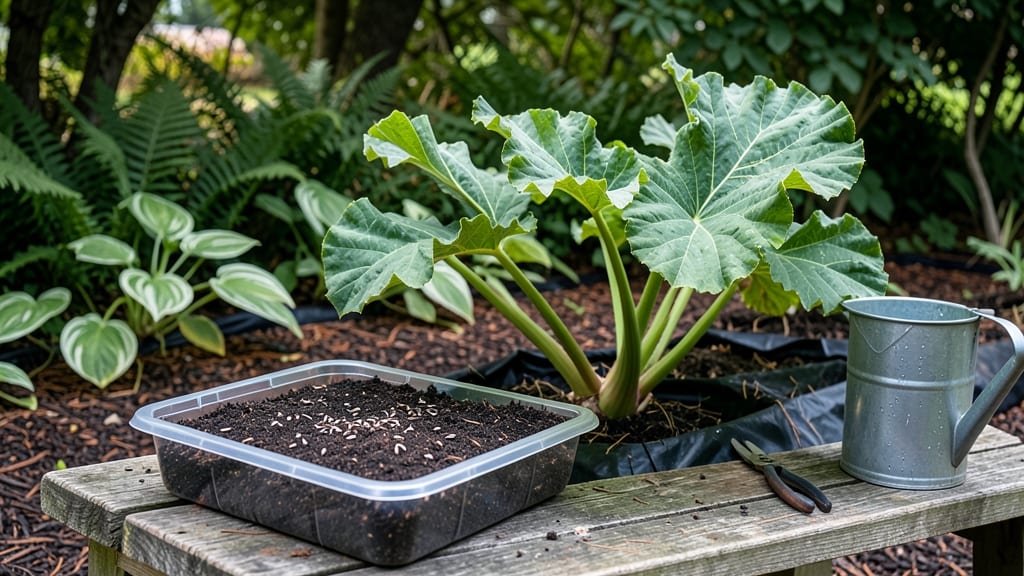
Growing Gunnera manicata from seeds unlocks the potential for 10-foot-tall tropical giants in your garden. 🌿 The key? Cold stratification—a chilly trick that mimics the plant's native mountain conditions and tricks seeds into waking up.
I've struggled with slow germination before, but this method consistently produces those signature giant leaves within months. The process starts with seeds that need 60-90 days in the fridge before planting. You'll need a moist seed-starting mix, clear plastic domes or bags to trap humidity, and patience—these seeds don't rush.
The tropical origins mean they crave warmth once germinated, so a heat mat helps speed things along after stratification. Once sprouted, you'll watch those first leaves unfurl into monstrously large foliage that makes every other houseplant look tiny.
The plants thrive in partial shade and moist, rich soil, making them perfect for garden corners where you want drama without sunlight competition. Here's where it gets interesting: Gunnera's massive leaves create microclimates that support ferns, hostas, and shade-loving perennials.
Pair it with heuchera or astilbe for a lush, layered look that turns heads at garden tours.
📚 In This Guide
- What you need
- Instructions
- Tips and common mistakes
- Wrapping up and next steps
What you need
- ● Gunnera manicata seeds: 5–10 fresh, viable seeds (ensure they’re plump and firm).
- ● Cold stratification medium: 1 part peat moss (or coconut coir for sustainability).
- ● 1 part perlite (for aeration).
- ● Seed-starting trays: 4–6 cell packs (2–3 inches deep) with drainage holes.
- ● Plastic storage bag or airtight container: Large enough to hold the tray and seal tightly.
- ● Misting bottle or spray nozzle: For gentle hydration.
- ○ pH testing kit (optional but recommended): Aim for a slightly acidic mix (pH 5.5–6.5).
- ● Refrigerator or cold frame: Set to 35–45°F (2–7°C) for stratification.
- ● Gloves & small trowel: For handling seeds and soil without contamination.
- ● Humidity dome or plastic wrap: To retain moisture during stratification.
- ● Grow lights or sunny windowsill: For post-stratification germination (12+ hours of light/day).
- ○ Thermometer (optional): To monitor cold temps accurately.
- ● Patience & a journal: Track seed progress and conditions!
Step-by-step instructions for cold stratifying Gunnera manicata seeds
Cold stratification breaks dormancy—here’s how to trick these giant seeds into sprouting reliably.
🌱 Step 1: Collect and Prepare Fresh Seeds
Gunnera manicata seeds must be fresh—if you’re buying, check for a harvest date within the past 6 months. The outer husk is tough, so I soak seeds in lukewarm water for 24 hours to soften it. This mimics natural winter moisture and speeds up germination. Drain and let them air-dry on a paper towel for 12 hours afterward—this prevents rot during stratification.
Here’s the thing—don’t skip the drying step. I’ve seen seeds mold overnight if planted straight from soaking. You’ll know they’re ready when the husk feels slightly pliable but still intact. Store them in a paper envelope (plastic traps moisture) until stratification.
❄️ Step 2: Stratify in a Controlled Cold Environment
Place the dried seeds in a sealed plastic bag with dampened peat moss (not soggy—it should feel like a wrung-out sponge). I use a refrigerator set to 35–40°F for 8–12 weeks. This mimics winter conditions in their native South American habitat. Check the bag weekly—if condensation forms, open it for 30 minutes to air out.
Real talk: Some seeds germinate faster, others take the full time. You’ll see the first signs of life when the husk cracks open slightly—this usually happens 4–6 weeks in. Don’t rush it; premature removal from cold can stall germination entirely. A clear plastic bag with a twist-tie works perfectly for visibility.
🌱 Step 3: Plant Stratified Seeds in Warmth
Once stratified, plant seeds ½ inch deep in a sterile seed-starting mix (no garden soil—it’s too dense). Use 4-inch pots for each seed since Gunnera manicata grows massive roots. Keep the soil consistently moist (not wet) at 70–75°F—a heat mat helps if your home runs cooler. Germination takes 2–4 weeks after planting.
Watch for the first true leaves—these look like tiny, rounded versions of the giant adult foliage. If the soil surface dries out, the seedling may fail to emerge. I use a spray bottle to mist lightly rather than watering from above, which can dislodge the seed.
☀️ Step 4: Transition to Bright, Indirect Light
After sprouting, move seedlings to bright, indirect light (no direct sun yet—their leaves are delicate). A grow light set 6–8 inches above prevents legginess. You’ll know they’re getting enough light when new leaves unfurl upright and stay dark green. Leggy seedlings mean the light is too weak or too far away.
Hardening off begins 4 weeks after true leaves appear. Start by placing them outside in partial shade for 1 hour daily, gradually increasing time over 2 weeks. Gunnera manicata loves humidity, so mist seedlings daily during this phase—you’ll see them perk up noticeably.
Tips & tricks for perfect cold stratification of Gunnera manicata
These pro tips will help you avoid common pitfalls and maximize your success with these finicky giant seeds.
Soaking Strategy: The 24-hour soak is non-negotiable for breaking down that tough outer husk, but here's what I've learned: use lukewarm water (not hot) to prevent shocking the seed. I place the seeds in a glass container with just enough water to cover them, then set a small plate on top to keep them submerged. After 24 hours, the water should look slightly cloudy—this indicates the husk is softening properly.
Temperature Matters: That 35–40°F refrigerator range is critical because it mimics Gunnera's natural winter dormancy period. I've found that the coldest part of most fridges (usually the bottom shelf) works best. Place a small thermometer in the bag during stratification to monitor—if it creeps above 45°F, germination may stall. Pro tip: Use a dark plastic bag to block any light that might sneak in through fridge cracks.
Planting Precision: When you're ready to plant those stratified seeds at ½ inch depth, here's what I do: Use a pencil to make small holes in the sterile seed-starting mix—this ensures consistent depth. After planting, I gently press the soil around the seed to eliminate air pockets. The key is keeping that soil consistently moist at 70–75°F without letting it become soggy; I use a spray bottle to mist rather than watering from above to prevent seed displacement.
Pro Tips for Gunnera Manicata Seeds
- These pro tips will help you avoid common pitfalls and maximize your success with these finicky giant seeds.
- Soaking Strategy: The 24-hour soak is non-negotiable for breaking down that tough outer husk, but here's what I've learned: use lukewarm water (not hot) to prevent shocking the seed.
- Temperature Matters: That 35–40°F refrigerator range is critical because it mimics Gunnera's natural winter dormancy period.
Frequently asked questions
about Gunnera manicata seeds—here’s what you need to know before diving in!How long does cold stratification need to last for Gunnera manicata seeds?
Cold stratification should last 8–12 weeks in a moist, refrigerated environment (34–40°F). Consistency is key—don’t rush it! After stratification, plant seeds in warm soil to break dormancy. Patience pays off for these giants.
When is the best time to sow Gunnera manicata seeds?
Sow seeds indoors in late winter or early spring (February–March) after cold stratification. If starting outdoors, wait until all frost risk has passed (spring/summer in zones 8–11). These seeds thrive with warmth post-stratification.
Can I grow Gunnera manicata from seeds without cold stratification?
Cold stratification dramatically improves germination rates—skipping it may result in slow or no sprouting. If you’re impatient, try soaking seeds in warm water for 24 hours first, but stratification remains the gold standard for success.
What do I do if my Gunnera seeds won’t germinate?
Check these troubleshooting steps:
- Stratification time: Extend to 14 weeks if needed.
- Moisture: Keep seeds damp (not soggy) during stratification.
- Temperature: Ensure consistent fridge temps (avoid freezer burns!).
- Seed viability: Test freshness—older seeds may need a scarification (light sandpaper rub).
How long until Gunnera manicata seeds sprout after stratification?
Germination typically takes 4–12 weeks after sowing post-stratification. Keep soil warm (70–75°F) and moist. Seedlings may emerge slowly—don’t disturb them until true leaves appear (2–3 inches tall).
Wrapping up and next steps
Growing Gunnera manicata from seeds is a rewarding challenge that unlocks the potential for a stunning, towering plant in your garden. With the right cold stratification techniques and patience, you can nurture these giants into thriving specimens that bring drama and texture to any landscape. 🌱
Now that you’re armed with the knowledge, take the next step—gather your supplies, follow the blueprint, and watch your seeds transform into a lush, leafy masterpiece. Happy growing, and may your Gunnera manicata journey be as exciting as the plants themselves!