
Propagation
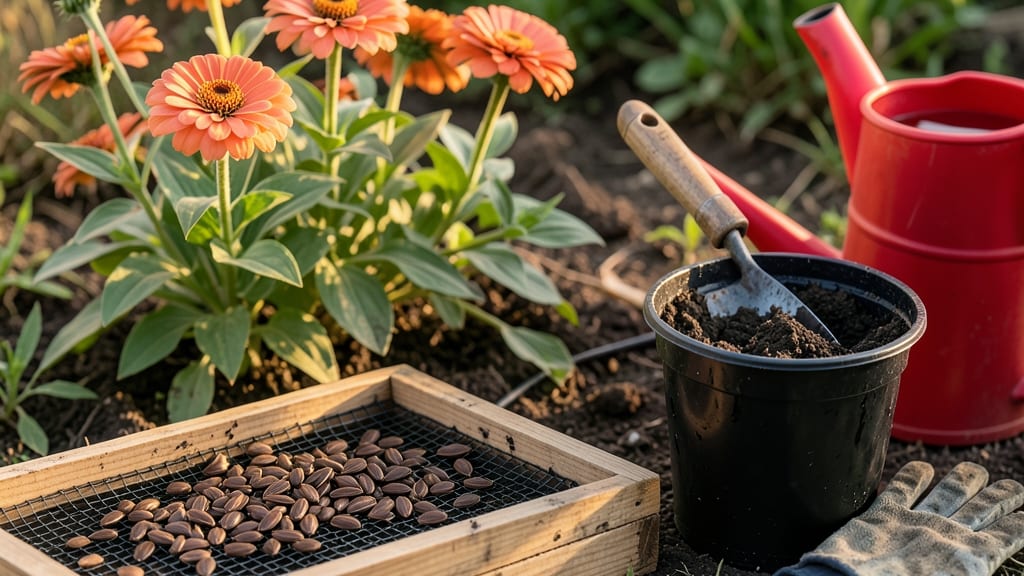
Growing zinnias from seed outdoors delivers vibrant, sun-loving blooms that outshine anything you can buy. 🌻 I’ve watched these cheerful flowers transform bare soil into a riot of color—all from seeds sown directly in the garden, no fuss.
The secret lies in timing, spacing, and a few simple care tricks that keep them blooming nonstop without deadheading.
Start with seeds in early spring after the last frost, when soil reaches 60°F. Zinnias thrive in full sun and well-draining soil—no need for fancy amendments, just loosen the top 6 inches and mix in a handful of compost.
Plant seeds ¼-inch deep, 12 inches apart, and cover lightly with soil. Thin seedlings to 10 inches apart once they sprout, giving each plant room to grow strong.
Water consistently at the base—1 inch per week—to prevent mildew, and watch as those first bright blooms appear in just 60 days. The key to continuous blooms?
Let spent flowers drop naturally; zinnias self-seed like crazy, ensuring next year’s garden is even more spectacular. No deadheading means less work and more time admiring their cheerful faces.
Perfect for cutting gardens, pollinator-friendly borders, or adding instant color to containers. Whether you’re a first-time gardener or a seasoned pro, zinnias reward you with bold, long-lasting blooms that keep giving all summer long. Ready to try?
📚 In This Guide
- What you need
- Instructions
- Tips and common mistakes
- Wrapping up and next steps
What you need
- ● Zinnia seeds: Choose heirloom varieties (like ‘Benary’s Giant’ or ‘Crystal’ for bold blooms) or hybrid mixes for variety. Buy 1 packet (200–500 seeds) for a small garden or 2–3 packets for a full border.
- ● Seed-starting soil or potting mix: 1–2 cubic feet (lightweight, sterile, and well-draining). Avoid garden soil—it’s too dense for tiny seeds.
- ○ Containers: Seed trays or cell packs (50+ cells) for starting indoors (optional but helpful in cooler climates).
- ● Biodegradable pots (3–4 inches deep) if transplanting later.
- ● Direct-sowing option: A shallow tray or 6-inch-deep container with drainage holes for sowing outdoors.
- ● Garden soil: Well-draining, amended with 2–3 inches of compost or aged manure. Zinnias hate soggy roots!
- ● Watering can or hose with a gentle spray nozzle: Keep soil moist but not waterlogged.
- ○ Garden gloves (optional): Protects hands from prickly stems (especially when deadheading).
- ● Sunlight: Full sun (6+ hours daily). Zinnias thrive in heat—pick a warm, sunny spot!
- ● Climate: Sow seeds 2–3 weeks after your last frost date (zinnias love warmth!). In warm climates, plant in early spring or late summer to avoid bolting.
- ● Spacing: Thin seedlings to 12–18 inches apart (check seed packet for variety-specific needs).
- ● Patience: Zinnias sprout in 5–10 days and bloom in 60–70 days—no deadheading required!
- ● Row covers or shade cloth: Protects seedlings from pests or harsh sun if starting early.
- ● Fertilizer: Balanced 10-10-10 or compost tea at planting time (zinnias are light feeders).
- ● Stakes or cages: For tall varieties (like ‘State Fair’) to prevent flopping in wind.
- ● Mulch: Straw or shredded leaves to retain moisture and suppress weeds.
Step-by-step instructions for growing zinnias from seed outdoors
Here's how I get vibrant zinnias blooming in just 60 days—no deadheading required!
🌱 Step 1: Prepare the Soil and Plant Seeds Directly
Zinnias love warm soil, so wait until your last frost date has passed and soil temperatures reach at least 60°F. I test this by placing a thermometer in the ground—zinnias won't germinate well in cooler soil. Choose a sunny spot with 6+ hours of direct sunlight daily, as this encourages strong stems and abundant blooms.
Loosen the top 6 inches of soil with a garden fork, removing any rocks or debris. Mix in a 2-3 inch layer of compost to improve drainage and provide nutrients. Scatter seeds ¼ inch deep, spacing them 12-18 inches apart for single-stemmed varieties or 6-8 inches apart for bushier types. I like to plant in small groups of 3-4 seeds to ensure at least one thrives.
☀️ Step 2: Water Gently and Maintain Moisture
Keep the soil evenly moist but not soggy until germination, which typically occurs in 7-14 days. Water deeply once daily in the morning, aiming for the soil rather than the leaves to prevent fungal diseases. I use a gentle spray nozzle to avoid disturbing the seeds—zinnias have tiny seeds that can wash away easily.
Once seedlings emerge, reduce watering slightly to every other day, allowing the top inch of soil to dry out between waterings. Overwatering at this stage can lead to weak stems and leggy growth. You'll know you're doing it right when seedlings have thick stems and dark green leaves—a sign they're establishing strong roots.
✂️ Step 3: Thin Seedlings for Stronger Growth
When seedlings reach 2-3 inches tall and have 2-3 true leaves, thin them to your desired spacing. Use scissors to snip unwanted seedlings at the base rather than pulling them to avoid disturbing the roots of remaining plants. This might seem harsh, but it prevents competition for nutrients and ensures each plant gets enough space to grow.
After thinning, give the remaining seedlings a light fertilizer application using a balanced 10-10-10 formula. I mix it at half-strength to avoid burning the young plants. Water again to help the fertilizer soak into the soil. You'll notice within a week that the remaining seedlings perk up and grow more vigorously—this is your reward for thinning early!
🌿 Step 4: Support and Protect for Continuous Blooms
As zinnias grow taller, they may need support, especially in windy areas. I use bamboo stakes or small cages to keep stems upright and prevent them from flopping over. Install supports early—waiting until plants are too tall makes it harder to insert stakes without damaging roots.
To encourage non-stop blooms without deadheading, let a few spent flowers remain on the plant. These dried blooms often self-seed, providing next year's crop for free! However, if you notice any signs of powdery mildew (white fuzzy spots on leaves), remove affected foliage immediately and treat with a neem oil spray to keep your zinnias healthy and thriving.
Tips & tricks for growing vibrant zinnias
Here's what nobody tells you about growing zinnias that'll make all the difference in your garden.
Soil Temperature Secret: That 60°F soil temperature isn't just a suggestion—zinnias are finicky about warmth. I've planted them in cooler soil and watched them fail to germinate. Use a soil thermometer to confirm before planting, especially in spring or fall. If your soil is too cool, consider using black plastic mulch to warm it up faster. This simple step can mean the difference between thriving zinnias and empty garden space.
Planting Strategy: The ¼ inch deep planting depth might seem shallow, but it's perfect for these tiny seeds. I've found that pressing seeds just slightly into the soil with your finger works better than burying them deeper. For extra insurance, plant seeds in small clusters of 3-4—this way, if one or two fail to germinate, you'll still have coverage. This method also helps create a more natural look in your garden beds.
Watering Wisdom: Those 7-14 days until germination feel like forever when you're waiting, but consistency is key. I use a spray bottle with a fine mist setting to avoid disturbing seeds while keeping the soil moist. Once seedlings appear, switch to watering at the base rather than overhead to prevent fungal diseases. The every other day schedule after germination helps develop strong root systems—don't rush this step, even if your zinnias look like they're begging for water.
Support System: Installing those bamboo stakes or small cages early might seem like overkill, but trust me on this. I've seen zinnias flop dramatically in windy conditions, and once they're leaning, they rarely recover. Place supports when plants are about 6 inches tall—this gives them enough stability to grow upright without being too cumbersome. For bushier varieties, cages work best, while single-stemmed types do well with individual stakes.
Pro Tips for Growing Zinnias From Seed Outdoors
- Here's what nobody tells you about growing zinnias that'll make all the difference in your garden.
- Soil Temperature Secret: That 60°F soil temperature isn't just a suggestion—zinnias are finicky about warmth.
- Planting Strategy: The ¼ inch deep planting depth might seem shallow, but it's perfect for these tiny seeds.
Frequently asked questions
Got questions about growing zinnias from seed? You’re not alone!
Here are answers to the most common concerns—so you can confidently plant and enjoy vibrant blooms all season long.
When is the best time to plant zinnia seeds outdoors?
Plant zinnia seeds after the last frost when soil temperatures reach at least 60°F (15°C). For most climates, this means late spring to early summer. If you’re in a warm zone, you can even start in early spring or fall for a second bloom cycle!
How long does it take for zinnia seeds to germinate?
Zinnia seeds typically sprout in 5–14 days, depending on warmth and moisture. Keep soil consistently moist (but not soggy) and place seeds in a sunny spot. Pro tip: A clear plastic dome or row cover can speed up germination by trapping heat!
Can zinnias grow in partial shade?
While zinnias thrive in full sun (6+ hours daily), they can tolerate partial shade (4–6 hours of sun) in hot climates. However, expect fewer blooms and taller, leggier stems. If shade is unavoidable, choose compact varieties like ‘Thumbelina’ for better adaptability.
What pests or diseases should I watch for?
Zinnias are generally low-maintenance, but keep an eye out for aphids, spider mites, and Japanese beetles. For fungal issues (like powdery mildew), improve airflow and avoid overhead watering. Quick fix: Spray plants with neem oil or introduce beneficial insects like ladybugs!
Do zinnias self-seed? How can I manage it?
Yes! Zinnias freely self-seed, often popping up where you least expect them. To control spread, deadhead spent blooms before seeds form or snip seed heads once flowers fade. If you love surprises, let a few go wild—they’ll return next year with even more color!
Wrapping up and next steps
Growing zinnias from seed outdoors is a rewarding and fast way to bring vibrant color to your garden in just 60 days! With the right timing, soil prep, and care, you’ll enjoy bold blooms all season—without the hassle of deadheading.
Whether you’re a beginner or a seasoned gardener, these cheerful flowers are your ticket to effortless beauty.
Ready to dive in? Start by gathering your seeds and soil—then pick a sunny spot to plant. Happy gardening, and may your zinnias shine as bright as your new green thumb! 🌸