
Propagation
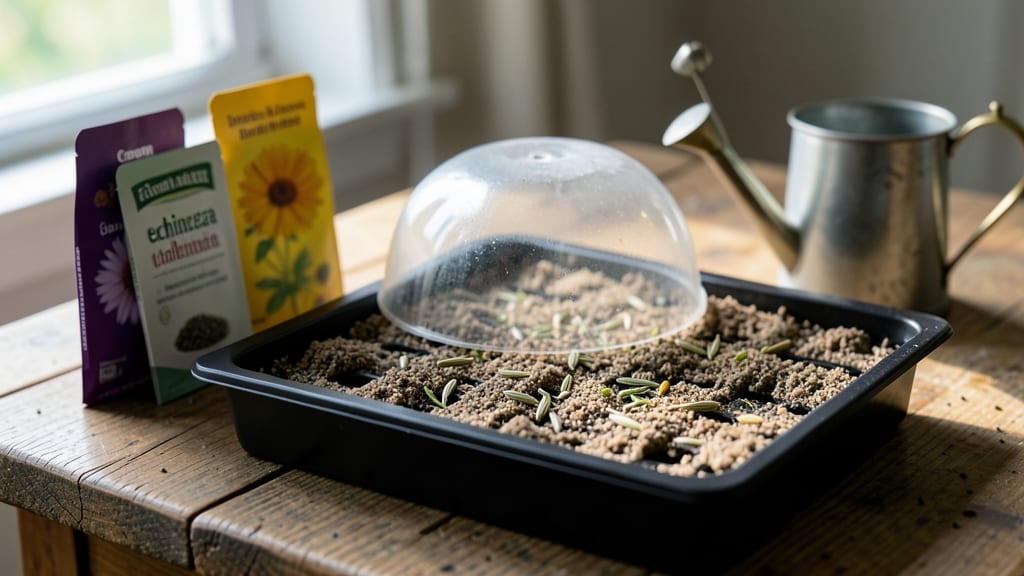
Growing wildflowers from seed in pots turns even a small balcony into a buzzing pollinator paradise. 🌸 I’ve filled windowsill pots with cheerful blooms that attract bees and butterflies—no backyard needed. The secret? Choosing the right seeds and containers, then letting nature handle the rest.
You’ll need shallow pots with drainage holes, lightweight potting mix, and seeds from species like cosmos, zinnias, or bachelor’s buttons—all thrive in small spaces. Start indoors 6-8 weeks before your last frost, or sow directly in pots once temperatures warm.
The key is keeping soil consistently moist (not soggy) until germination.
By summer, you’ll have vibrant blooms that last all season with minimal care. The pots stay tidy, weeds stay out, and you’ll watch hummingbirds and bees visit flowers you grew from tiny seeds. Perfect for renters, small spaces, or anyone who wants beauty without the upkeep.
Works year-round in warm climates or as a seasonal project in cooler zones. Once you see how easy it is, you’ll never buy wildflower plugs again. Let’s get those seeds planted!
📚 In This Guide
- What you need
- Instructions
- Tips and common mistakes
- Wrapping up and next steps
What you need
- ● Wildflower seeds: Choose native or drought-tolerant varieties (e.g., cosmos, zinnias, or black-eyed Susans). Aim for 1–2 teaspoons per pot (about 5–10g).
- ● Pots with drainage: 4–6" diameter containers (terracotta, plastic, or fabric grow bags). Ensure they have drainage holes to prevent root rot.
- ● Potting mix: A lightweight, well-draining blend (e.g., 50% peat-free potting soil + 50% perlite or sand). Avoid garden soil—it’s too dense!
- ● Watering can or spray bottle: A gentle misting nozzle helps avoid displacing seeds.
- ○ Clear plastic wrap or humidity dome: Keeps moisture in during germination (optional but helpful for beginners).
- ● Trowel or spoon: For planting seeds evenly (a butter knife works in a pinch!).
- ● Labels & markers: To track seed types (e.g., wildflower tags or popsicle sticks).
- ○ Grow lights (optional): If your windowsill gets LED grow bulb (12–15W) can help.
- ○ Fertilizer (optional): A balanced, water-soluble fertilizer (5-5-5) for faster growth (use sparingly—wildflowers thrive in lean soil!).
- ● Glove or tweezers: For handling tiny seeds (like poppies or baby’s breath).
- ● A sunny spot: Wildflowers need at least 4–6 hours of direct sunlight daily (south-facing windowsills are ideal).
- ● Patience: Germination can take 7–30 days, depending on the seed type.
- ● Consistency: Keep soil moist but not soggy—overwatering is the #1 killer of seedling success!
Step-by-step instructions for growing wildflowers in containers
Here's how to coax vibrant wildflower blooms from tiny seeds—no garden required.
🌱 Step 1: Prepare Your Pots and Soil Mix
Fill each 4-inch pot with a blend of 50% potting mix and 50% perlite or coarse sand. This lightens the mix so wildflower roots can spread easily without suffocating. Tap the pot gently to settle the soil, then water until moisture reaches the bottom—you should see water trickle out the drainage holes.
Wildflowers hate soggy roots, so if your pots don’t have drainage holes, poke a few with a nail. I like to press a small piece of mesh over the holes afterward to keep soil from washing out while still allowing excess water to escape. This step prevents the #1 killer of container-grown wildflowers: root rot from poor drainage.
🌱 Step 2: Scatter Seeds and Press Lightly
Wildflower seeds are tiny—some barely visible to the naked eye. Sprinkle them evenly across the soil surface, then press them in just enough to make contact. Use your finger or a small spoon to gently pat them down; you don’t need to bury them. Overcrowding is tempting, but wildflowers need space to grow strong stems.
For 4 pots, I divide the seeds into rough groups: one pot gets sun-lovers like black-eyed Susans, another shade-tolerant varieties like violets, and the rest a mix. Label each pot with the variety and planting date—wildflowers take their time sprouting, and you’ll forget which is which in a few weeks.
💧 Step 3: Keep Moisture Even Without Drowning
Mist the soil lightly with a spray bottle until it’s damp but not wet. Wildflower seeds need consistent moisture to germinate, but too much water can wash them away or cause mold. Place the pots in a shallow tray filled with ½ inch of water—this raises humidity around the seeds while letting them drain from below.
Cover each pot with a clear plastic dome or wrap them in plastic wrap to trap warmth and moisture. Place them in a spot with room temperature (65-75°F). Germination can take 10-30 days, depending on the variety—some pop up in a week, others wait months. Patience is key here; don’t disturb the soil until you see tiny green sprouts.
☀️ Step 4: Move to Bright, Indirect Light
Once seedlings emerge, remove the plastic cover immediately to prevent mold. Place the pots in the sunniest windowsill you have—south or west-facing is ideal. Wildflowers need 6+ hours of light daily, but direct midday sun can scorch tender seedlings. Start with morning sun only for the first week, then gradually increase exposure.
You’ll notice leggy seedlings if the light isn’t strong enough—they’ll stretch toward the window with weak, pale stems. If this happens, move the pots within 2-3 inches of the glass. Rotate the pots a quarter turn weekly so they grow straight instead of leaning.
✂️ Step 5: Thin and Care for Mature Plants
When seedlings reach 1-2 inches tall and have 2-3 true leaves, thin them to 1 per pot or 2 inches apart if you’re growing a mix. Use scissors to snip unwanted seedlings at soil level—this avoids disturbing roots. Wildflowers are tough, but overcrowding leads to weak stems and fewer blooms.
Water only when the top inch of soil feels dry. Wildflowers are drought-tolerant once established, but young plants need consistent moisture. Fertilizer isn’t necessary—wildflowers thrive in lean soil. Once blooms appear, deadhead spent flowers to encourage more blooms, but leave some seed heads for next year’s harvest.
Tips & tricks for perfect wildflower growth in pots
These simple strategies will help you avoid common pitfalls and maximize your wildflower success—no green thumb required.
Soil Mix Secrets: The 50% potting mix and 50% perlite blend is perfect, but if you're short on perlite, coarse sand or even vermiculite works just as well. The key is creating that airy texture—packed soil suffocates wildflower roots. I like to give the mix a gentle shake before filling pots to ensure even distribution of the lighter perlite. This prevents clumping that can block drainage, which is critical since wildflowers despise soggy conditions.
Lighting Strategy: That first week with morning sun only might feel restrictive, but it's a game-changer for preventing scorched seedlings. If your windowsill isn't sunny enough, supplement with a grow light placed just 6 inches above the pots for 4-6 hours daily. You'll notice the difference immediately—seedlings stay compact and green rather than stretching toward the light with weak stems. Rotate the pots weekly as mentioned, but also rotate them daily if using artificial light to prevent uneven growth.
Germination Patience: The 10-30 day germination window can feel like an eternity, but there's a trick: place your pots on top of a refrigerator (not inside) for the first 7 days. The cool night temperatures (around 60°F) followed by room temperature days (65-75°F) mimics natural seasonal changes and often triggers faster germination. Just keep the soil consistently damp during this time—use that spray bottle to mist lightly every other day if you notice the surface drying.
Thinning Technique: When it's time to thin those 1-2 inch seedlings, I've found using clean scissors dipped in rubbing alcohol works best. The alcohol prevents spreading disease between plants. Snip at soil level rather than pulling—this avoids disturbing the roots of your keepers. For mixed pots where you're spacing 2 inches apart, use a pencil to mark planting spots before thinning to maintain even spacing without guesswork.
Pro Tips for Growing Wildflowers From Seed In Pots
- These simple strategies will help you avoid common pitfalls and maximize your wildflower success—no green thumb required.
- Soil Mix Secrets: The 50% potting mix and 50% perlite blend is perfect, but if you're short on perlite, coarse sand or even vermiculite works just as well.
- Lighting Strategy: That first week with morning sun only might feel restrictive, but it's a game-changer for preventing scorched seedlings.
Frequently asked questions
Got questions?
Growing wildflowers from seed in pots is simple, but every gardener has a few curiosities. Here are the answers to the most common ones—so you can get blooming with confidence!
Can I grow wildflowers in pots year-round?
Most wildflowers thrive in spring or fall, but with the right care, you can grow them year-round indoors! Use a sunny windowsill or grow lights, and keep soil moist (but not soggy). Cold-hardy varieties like calendula or nasturtium may even survive mild winters on a porch.
How long does it take for wildflower seeds to sprout in pots?
Patience is key—wildflower seeds can take anywhere from 7 days to 6 weeks to sprout, depending on the type and conditions. Keep the soil warm (70–75°F) and consistently moist. A clear plastic bag over the pot creates a mini greenhouse for faster germination!
Do wildflowers need special soil in pots?
Not necessarily! A well-draining potting mix with perlite or sand works best. Avoid heavy garden soil, which can compact and suffocate roots. For extra nutrients, mix in a little compost—but wildflowers are tough and often thrive in leaner soil too.
What if my wildflowers don’t bloom?
No blooms? Don’t worry—it’s often due to light, nutrients, or overcrowding. Move pots to a sunnier spot (6+ hours of light daily), thin seedlings if packed, and fertilize lightly with a balanced, water-soluble mix. Some wildflowers, like cosmos, need time—give them 8–12 weeks!
Can I transplant potted wildflowers outside later?
Once seedlings have 2–3 sets of true leaves (not just the first sprout), they’re ready to move. Harden them off by placing pots outside for a few hours daily, then transplant after the last frost. Choose a spot with similar light conditions to their indoor home for the best transition.
Wrapping up and next steps
Growing wildflowers from seed in pots is a rewarding way to bring nature’s beauty indoors—no yard or yard work required! 🌸 With the right containers, soil, and a little patience, you’ll soon enjoy vibrant blooms that attract pollinators and lift your spirits.
Start small, experiment with varieties, and don’t forget to share your progress with fellow plant lovers.
Ready to take the next step? Pick a few wildflower seeds you love, grab your pots, and get planting! Whether you’re a beginner or a seasoned gardener, this project is as simple as it is satisfying. Happy growing! 🌱