
Size
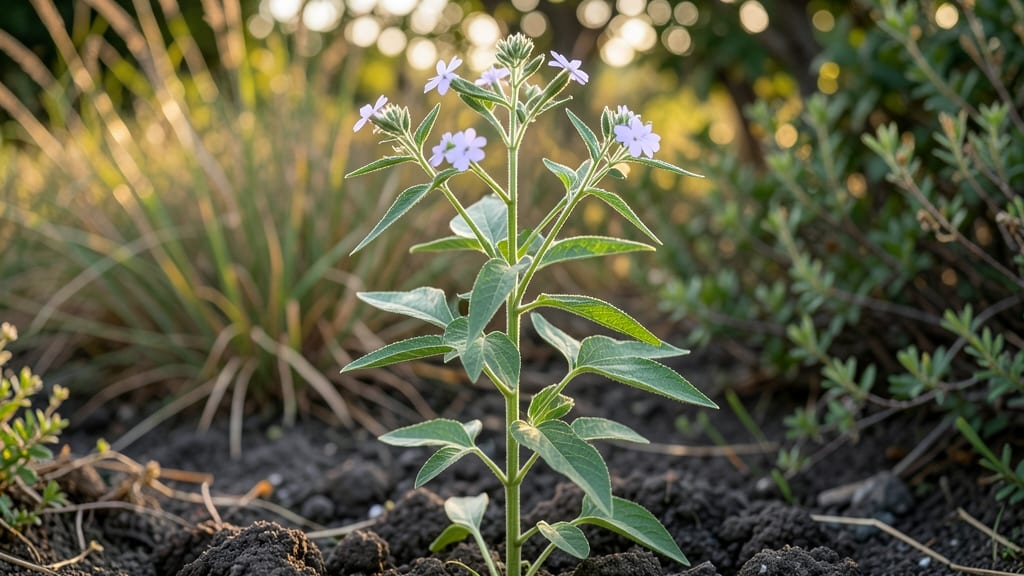
Growing sesame plants from seed is one of those rewarding projects that turns a tiny seed into a plant that feeds you—and yes, it’s easier than you think. 🌱 I’ve grown sesame in my backyard for three years now, and the first time I cracked open a pod to see those tiny black seeds inside, I knew I’d never buy store-bought again.
The key? Warm soil, patience, and knowing when to let nature take over.
Sesame thrives in hot, sunny spots—think full sun for at least 6 hours a day—and hates soggy soil, so well-draining, sandy loam is your best friend.
You’ll need about 3-4 weeks of warm weather before planting, and seeds should go in ½ inch deep, spaced 12-18 inches apart. Water lightly after planting, then let the soil dry between waterings once the plants pop up.
By day 90, you’ll be harvesting those iconic white flowers and watching pods form. When the pods turn brown and split open on their own, that’s your cue to collect the seeds—roast them for oil or snack on them raw.
The plants stay compact (about 2-3 feet tall), so they’re perfect for small gardens or even containers if you live in a warm climate.
Here’s the secret: sesame plants don’t like being fussed over. Too much water or shade, and they bolt early. But get the conditions right, and you’ll end up with more seeds than you know what to do with—enough to share with neighbors or save for next year.
Ready to try?
📚 In This Guide
- What you need
- Instructions
- Tips and common mistakes
- Wrapping up and next steps
What you need
- ● Sesame seeds: High-quality, organic sesame seeds (1–2 lbs, depending on space). Choose varieties like Beniseed or Tift-7 for best results.
- ● Growing containers or garden bed: Containers: 5–10 gallon pots (3–5 plants per container) with drainage holes.
- ● Garden bed: Well-draining soil in a sunny spot (6–8 hours of sunlight daily).
- ● Potting mix: Lightweight, well-draining soil (e.g., 60% garden soil + 40% compost or perlite).
- ● Fertilizer: Balanced organic fertilizer (10-10-10 or compost tea) for planting and mid-growth.
- ● Watering can or hose: With a gentle spray nozzle to avoid disturbing seedlings.
- ○ Plant markers (optional but helpful): To label varieties and track growth stages.
- ● Row covers: Lightweight fabric to protect seedlings from pests or cold snaps.
- ● Trellis or stakes: If growing tall varieties (e.g., Black Sesame) for better air circulation.
- ● pH testing kit: Ideal soil pH for sesame is 6.0–7.0; adjust with lime or sulfur if needed.
- ● Pruning shears: For trimming dead leaves or overgrowth.
- ● Harvesting gloves: To protect hands during threshing (sesame pods can be prickly!).
Step-by-Step instructions for growing sesame seed plants
Here's how to nurture fast-growing sesame plants from seed to harvest in just three months.
🌱 Step 1: Start Seeds Indoors 8-10 Weeks Before Last Frost
Sesame thrives in warm soil, so begin indoors with a seed-starting mix in 2-3 inch deep pots. Fill containers to within ½ inch of the rim and press down lightly to remove air pockets. Sesame seeds germinate best at 75-85°F, so place pots on a seedling heat mat or in a sunny window.
Plant 2-3 seeds per pot at a depth of ¼ inch—they need light to germinate, so don't bury them deeply. Cover with a humidity dome or plastic wrap to retain moisture and warmth. Keep the soil consistently moist (not soggy) until sprouts appear in 7-14 days. Real talk: sesame seeds are tiny, so use tweezers to handle them gently.
☀️ Step 2: Transplant Seedlings Outdoors After All Frost Risk Passes
When seedlings have 2-3 true leaves and nighttime temperatures stay above 50°F, it's time to move them outside. Harden off seedlings by placing them in a sheltered spot for 1 hour daily, gradually increasing exposure over 7-10 days. Sesame plants prefer full sun (6+ hours daily), so choose a warm, sunny location with well-draining soil.
Dig holes twice as wide as the root ball but no deeper. Space plants 12-18 inches apart in rows 18 inches apart to allow airflow and prevent disease. Water deeply after transplanting to settle the soil around roots. Here's the thing—sesame plants are sensitive to cold, so avoid transplanting until soil is at least 60°F.
💧 Step 3: Maintain Consistent Moisture and Fertility
Sesame plants have shallow roots, so keep the soil evenly moist—never soggy. Water at the base 1-2 inches deep every 2-3 days, adjusting for rainfall. Mulch with 1-2 inches of straw or grass clippings to retain moisture and suppress weeds. Avoid overhead watering to prevent fungal diseases like powdery mildew, which can devastate plants.
Feed plants with a balanced fertilizer (10-10-10) when they reach 6 inches tall, then again 4-6 weeks later. Sesame is a lightweight feeder, so don’t overdo it—too much nitrogen promotes leafy growth at the expense of seed production. Watch for yellowing leaves as a sign of over-fertilization.
✂️ Step 4: Monitor for Pests and Harvest at Peak Maturity
Sesame plants are relatively pest-resistant, but keep an eye out for aphids or spider mites, especially in dry conditions. Spray infested plants with neem oil or insecticidal soap if needed. You’ll know it’s time to harvest when the seed pods turn golden-brown and begin splitting open—this usually happens 90-100 days after planting.
Cut the entire plant at the base with clean scissors and hang it upside down in a dry, well-ventilated area for 2-3 weeks to fully dry. Once dry, rub the pods between your hands to release the seeds. Store seeds in an airtight container in a cool, dark place for up to 6 months. Don’t skip drying the plants thoroughly—moisture will cause seeds to spoil.
Tips & tricks for growing sesame seed plants
These little-known strategies will help you grow thriving sesame plants from seed to harvest like a pro.
Seedling Heat Mat Hack: If you don’t have a heat mat, place your seed-starting pots in a sunny window with a clear plastic bag over them. The trapped heat will mimic the 75-85°F germination range perfectly. Just remove the bag daily for 10 minutes to prevent condensation buildup. I learned this the hard way after watching seeds rot from too much moisture.
Transplanting Timing: The 1-hour daily hardening off period in Step 2 is crucial—don’t rush it! Gradually increasing exposure over 7-10 days prevents shock. Watch for crispy leaf edges as a sign you’re moving too fast. I’ve seen sesame seedlings wilt dramatically when transplanted too soon, so take your time here.
Soil Temperature Check: Before transplanting, test your soil temperature with a soil thermometer. Sesame plants won’t tolerate soil below 60°F—if it’s cooler, wait or use black plastic mulch to warm the soil faster. I’ve had plants fail completely when transplanted into cold soil, even when air temperatures were warm.
Harvesting Visual Cue: When harvesting, look for pods that are golden-brown and starting to split open—this happens around 90-100 days. The key is to harvest before the pods fully open, or you’ll lose seeds to birds and wind. I like to harvest in the morning when pods are dry and firmest.
Pro Tips for Grow Sesame Seed Plant
- These little-known strategies will help you grow thriving sesame plants from seed to harvest like a pro.
- Seedling Heat Mat Hack: If you don’t have a heat mat, place your seed-starting pots in a sunny window with a clear pl...
- Transplanting Timing: The 1-hour daily hardening off period in Step 2 is crucial—don’t rush it! Gradually increasing ...
Frequently asked questions
Got questions about growing sesame seeds? You’re not alone!
Here are the most common concerns—and their answers—to help you cultivate a thriving sesame crop with confidence.
How hot does it need to be to grow sesame seeds?
Sesame thrives in warm climates (ideal temps: 70–95°F / 21–35°C). Plant after the last frost when soil is at least 60°F (15°C). If your area cools below 50°F (10°C), growth slows or stops—consider a greenhouse or row covers for early starts.
How long does it take for sesame seeds to mature?
Most sesame varieties mature in 90–120 days from seed to harvest, depending on the type. Fast-maturing varieties (like Tif sesame) can be ready in 75–90 days if planted in warm soil. Check your seed packet for exact days-to-maturity—rushing harvest can reduce seed quality!
Can sesame plants survive drought or too much rain?
Sesame is drought-tolerant once established but hates soggy soil. Plant in well-draining soil and avoid overhead watering (use drip irrigation). Too much rain can cause powdery mildew or seed rot—space plants 12–18 inches apart for airflow.
What pests or diseases should I watch for?
Common threats include aphids, spider mites, and whiteflies. Early signs: yellowing leaves or sticky residue. Use neem oil or insecticidal soap for mild infestations. Rotate crops yearly to prevent fusarium wilt, a fungal disease.
Can I grow sesame seeds indoors or in containers?
Yes! Use 5-gallon pots with drainage and full sun (a south-facing window or grow lights). Dwarf varieties like ‘Black Sesame’ work best. Keep soil moist but not waterlogged, and harvest when pods turn golden-brown. Containers limit root space, so expect slightly smaller yields.
Still stumped?
Drop your question in the comments—we’re happy to help troubleshoot your sesame garden!
Wrapping up and next steps
Growing sesame plants is a rewarding journey that yields nutrient-rich seeds in just 90 days! With the right soil, sunlight, and care, you’ll enjoy a bountiful harvest—whether for cooking, health benefits, or even selling. Start small, stay patient, and soon you’ll be savoring the fruits of your labor.
Ready to take the next step? Plant your first batch this season and watch your garden transform! 🌱 For extra tips, check out our full guide or join gardening communities to share your progress.