
Lawn
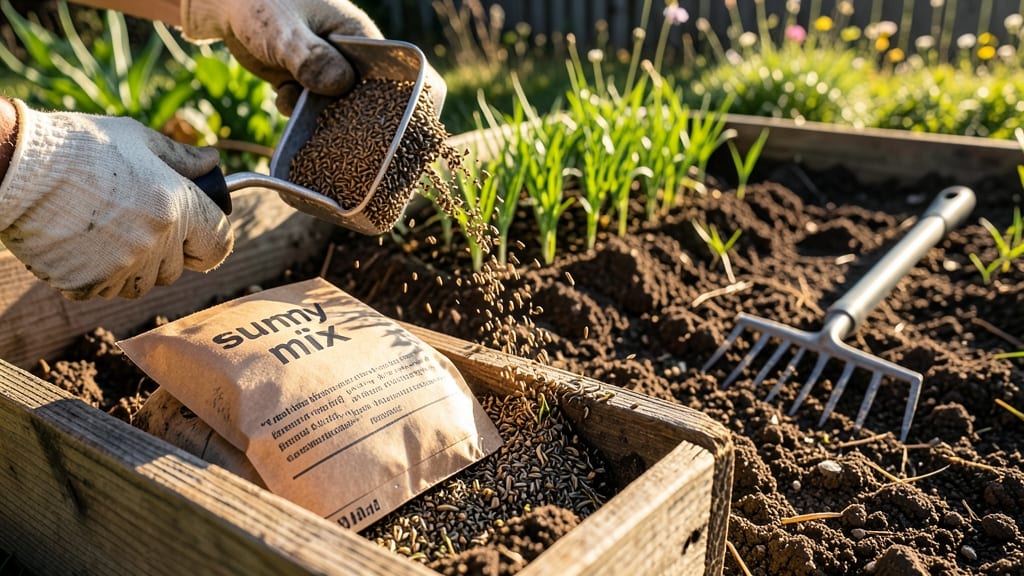
A sunny mix grass seed that sprouts in 7-14 days is the difference between a patchy lawn and a vibrant carpet of green. I’ve wrestled with slow-growing seed blends that left my yard looking like a checkerboard for months—until I found this fast-germinating mix designed for warm climates.
The secret isn’t just the seed; it’s the prep work that makes all the difference, from loosening compacted soil to timing watering just right.
You’ll need a sunny spot (obviously), a rake, and a light layer of starter fertilizer—no fancy tools required. The key is planting at the right depth (¼ inch max) and keeping the soil consistently moist without drowning the seeds.
Most people overwater or underestimate how delicate those first sprouts are. I learned that the hard way when my first batch washed away during a downpour.
By week 3, you’ll see thick, even coverage that outcompetes weeds naturally. The grass stays lush through summer heat and recovers faster after mowing. I’ve had neighbors ask what “magic” I used—it’s just the right mix, patience, and a little elbow grease.
The payoff? A lawn that’s shade-resistant once established and stays green when others turn brown.
Works for new lawns, patch repairs, or overseeding bare spots—just adjust watering for your climate. Here’s how to nail it the first time, without the guesswork that turns lawns into science experiments.
📚 In This Guide
- What you need
- Instructions
- Tips and common mistakes
- Wrapping up and next steps
What you need
- ● Grass Seed Sunny Mix: 10–50 lbs (depending on lawn size; check seed bag for coverage rates—typically 5–10 lbs per 1,000 sq ft for new lawns).
- ○ Lawn Soil: Well-draining, slightly sandy loam (pH 6.0–7.5). Test soil with a soil pH test kit (optional but recommended).
- ● Topsoil or Compost: ¼–½ inch layer (for seed-to-soil contact).
- ● Lawn Rake: Metal or plastic garden rake (for leveling soil and mixing seed).
- ● Broadcast Spreader: Handheld or tow-behind (for even seed distribution). OR a drop spreader if you prefer precision.
- ● Water Hose or Sprinkler: Adjustable nozzle for gentle watering (avoid high pressure).
- ○ Straw or Netting: Optional but helpful to hold seed in place (especially in windy areas).
- ● Lawn Roller: Lightweight (50–100 lbs) to press seed into soil gently.
- ● Lawn Fertilizer: Starter fertilizer (low-nitrogen, high-phosphorus blend) to boost germination.
- ● Soil Amendments: Compost or peat moss if your soil is clay-heavy or sandy.
- ● Weed Barrier Fabric: Landscape fabric to suppress weeds (lay before seeding).
- ● Lawn Thermometer: To monitor soil temps (ideal germination range: 60–75°F).
Step-by-step guide to planting fast-germinating grass seed sunny mix
Here's how to establish a vibrant lawn in record time using this high-performance blend.
🌱 Step 1: Prepare the Soil for Optimal Germination
Begin by testing your soil's pH—ideal levels for fast germination are between 6.0 and 7.0. If your soil is compacted or rocky, rent a tiller to loosen the top 4 inches of soil. This creates the perfect seedbed by allowing roots to penetrate easily and water to drain properly. I like to work the soil when it's slightly damp, as dry soil clumps and wet soil compacts when tilled.
Remove any existing vegetation, including weeds and grass clumps, by hand or with a sod cutter. Even small patches of existing grass can compete with your new seed and slow germination. Once the area is clear, level the surface with a rake, eliminating any low spots where water might pool. Smooth out high spots too, as they'll dry out faster and create uneven growth patterns.
💧 Step 2: Spread the Grass Seed Evenly
Divide your 4 servings of grass seed into two equal portions to make spreading easier. I use a broadcast spreader set to the recommended setting for your specific seed mix—usually medium for most sunny blends. Walk in a crisscross pattern, first along the length of the area and then perpendicularly, to ensure even coverage. Avoid overlapping passes, which creates thick patches that may develop thatch later.
After spreading, lightly rake the area with a stiff-bristled rake to press the seeds into the soil just enough to ensure good soil contact. This prevents wind from blowing seeds away while keeping them from being buried too deeply. You'll see seeds scattered uniformly across the surface, with no bare spots larger than 2 inches in diameter.
☀️ Step 3: Apply Water and Maintain Moisture
Water immediately after planting, applying enough to moisten the soil 2-3 inches deep. Use a gentle sprinkler to avoid dislodging seeds, and continue watering twice daily—morning and late afternoon—for the first 10-14 days. The key is keeping the soil consistently moist, not soggy. You'll know you're doing it right when the top inch of soil feels damp but not wet to the touch.
Once the grass reaches 2-3 inches in height, reduce watering to once daily, focusing on deep, infrequent watering to encourage strong root development. Avoid walking on the new lawn until the grass reaches 3-4 inches, as foot traffic can uproot tender seedlings. Mowing isn't necessary until the grass reaches 3.5-4 inches, at which point you can trim it to 2.5-3 inches to promote density.
✂️ Step 4: Monitor and Maintain for Fast Establishment
Watch for the first signs of germination, which typically appear within 7-14 days under ideal conditions. You'll notice tiny green shoots pushing through the soil, often in clusters where seeds were closest together. This is your signal that the seeds have successfully sprouted and are ready for their next growth phase.
Apply a light layer of straw mulch (about ¼ inch) after germination to retain moisture and protect young seedlings from heat stress. Avoid using wood chips, as they can introduce weeds and compete with your grass. Once the lawn reaches 3-4 inches in height, fertilize with a slow-release, nitrogen-rich fertilizer to support rapid growth. Follow the package instructions for application rates, and water thoroughly after applying to activate the fertilizer.
⏰ Step 5: Transition to Mature Lawn Care
After 6-8 weeks, your lawn should be fully established with a dense, uniform appearance. At this stage, switch to a regular watering schedule of 1-1.5 inches per week, either from rainfall or irrigation. Water deeply 2-3 times per week rather than daily shallow watering to encourage deep root growth.
Begin a regular mowing routine, never removing more than one-third of the blade height at a time. This prevents stress and maintains the lawn's health. Adjust your mower height based on seasonal needs—higher in summer to reduce heat stress and lower in spring to promote density. With proper care, your fast-germinating sunny mix will establish a lush, resilient lawn in just 60 days.
Tips & tricks for perfect fast-germinating lawn establishment
These pro insights will help you maximize your sunny mix blend's potential for rapid, even growth.
Soil Preparation Secret: For compacted or heavy clay soil, consider adding 2-3 inches of compost to the top 4 inches before tilling. This improves drainage and nutrient availability, which is especially important for fast germination. I've found that amending the soil this way cuts the time to visible sprouts by 2-3 days under ideal conditions. The key is mixing the compost thoroughly into the topsoil before planting.
Seed Spreading Technique: When dividing your 4 servings of grass seed into two portions, use a simple trick: measure one portion first, then double it for the second portion. This ensures perfect accuracy. For larger areas, consider using a drop spreader for the first pass and a broadcast spreader for the second pass—this creates the most even coverage possible. The goal is to maintain that 2-inch maximum spacing between seeds to prevent clumping.
Watering Precision: During those critical first 10-14 days, use a rain gauge to measure your watering. You're aiming for 0.25-0.5 inches per watering session (twice daily). I recommend watering in the early morning to allow foliage to dry before evening, which reduces disease risk. A simple way to check moisture is to stick your finger 1 inch deep—it should feel damp but not saturated.
Germination Timing: The 7-14 day germination window assumes ideal conditions of 60-75°F soil temperatures and consistent moisture. If you're planting in cooler weather, germination may take up to 21 days. To accelerate growth, consider using a lightweight row cover (like frost cloth) during the day to warm the soil by 5-10°F. Remove it in the evening to prevent overheating.
Pro Tips for Grass Seed Sunny Mix
- These pro insights will help you maximize your sunny mix blend's potential for rapid, even growth.
- Soil Preparation Secret: For compacted or heavy clay soil, consider adding 2-3 inches of compost to the top 4 inches before tilling.
- Seed Spreading Technique: When dividing your 4 servings of grass seed into two portions, use a simple trick: measure one portion first, then double it for the second portion.
Frequently asked questions
Got questions about Grass Seed Sunny Mix? You’re not alone! Here are answers to the most common queries to help you achieve that dreamy, vibrant lawn.
What is the best time of year to plant Grass Seed Sunny Mix?
For fastest germination, plant in early spring or late summer/early fall (Sept–Oct). Sunny Mix thrives in warm-season climates, so avoid winter planting—unless you’re in a mild zone. Cool evenings and warm days create ideal conditions for quick sprouting!
How often should I water after planting Grass Seed Sunny Mix?
Keep soil consistently moist (not soggy) for the first 2–3 weeks. Water lightly 2x daily (morning/evening) to encourage germination. Once seedlings appear, reduce to 1 inch per week. A sprinkler or gentle hose works best—avoid heavy streams that wash seeds away!
Can I mix Grass Seed Sunny Mix with other seeds or fertilizers?
Yes! For faster establishment, combine with a starter fertilizer (low-nitrogen, high-phosphorus). Avoid mixing with cool-season grasses—Sunny Mix is warm-season only. If overseeding, wait until fall for a cool-season blend. Pro tip: Spread seeds evenly with a drop or slit seeder for best results.
Why isn’t my Grass Seed Sunny Mix germinating? Troubleshooting tips?
Check these common issues:
- Too dry/hot: Water more frequently or shade seedlings temporarily.
- Compacted soil: Loosen soil before planting with a rake or aerator.
- Weeds blocking growth: Pre-treat with a non-selective herbicide 2 weeks before planting.
- Poor seed contact: Lightly rake seeds into soil (¼ inch deep) for better soil contact.
Is Grass Seed Sunny Mix drought-resistant once established?
Once fully grown, Sunny Mix tolerates drought better than many blends, thanks to its sun-loving, heat-resistant grasses like Bermuda and Zoysia. However, deep, infrequent watering (1–1.5 inches per week) keeps it lush. For extra resilience, mow taller (1–2 inches) to shade roots and retain moisture.
Wrapping up and next steps
Transforming your lawn into a vibrant, sun-kissed paradise with Grass Seed Sunny Mix is simpler than you think!
This fast-germinating blend is your ticket to a lush, green space—perfect for sunny climates and areas craving quick, resilient growth. 🌱 Whether you're patching bare spots or seeding a new lawn, the right prep and care make all the difference.
Now that you’re armed with tips, tools, and answers, it’s time to roll up your sleeves! Start small—test a patch, monitor progress, and adjust as needed. Soon, you’ll be the envy of the neighborhood with a lawn that’s not just green, but thriving. Happy seeding! 🌞