
Flowers
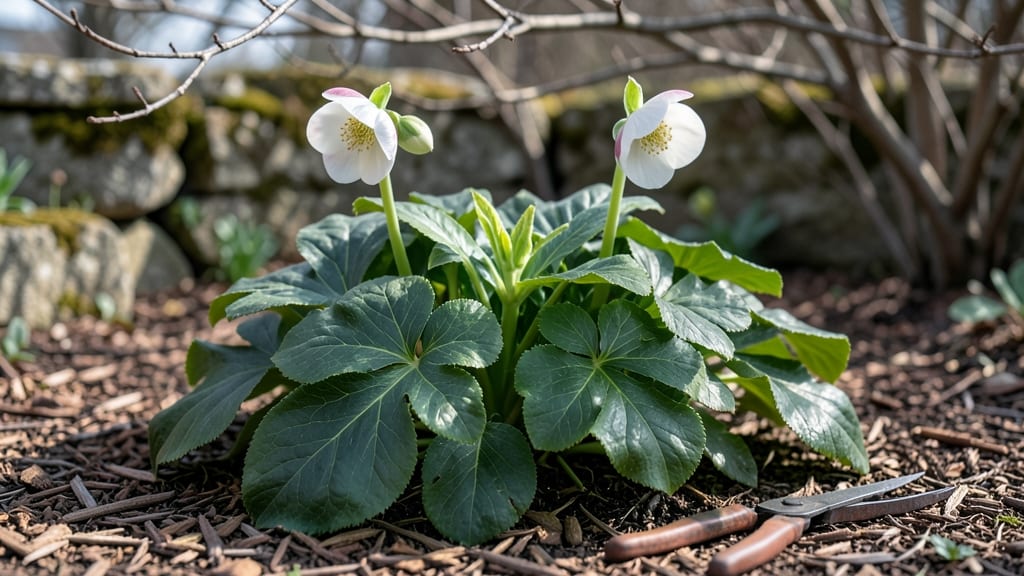
Finding flower seeds that come back every year saves you time and money—no replanting, just more blooms. 🌸 I’ve grown cosmos, marigolds, and zinnias for years, and they’ve naturalized so well that my garden now overflows with color without extra effort.
The secret lies in choosing the right varieties and giving them the proper care from the start.
You’ll need well-draining soil, a sunny spot, and patience—these flowers reward consistency. Most self-seeding annuals, like cosmos and marigolds, drop seeds easily, while true perennials like black-eyed Susans return from their roots. Plant in early spring or late summer, water deeply but infrequently, and let nature do the rest.
By next season, you’ll see volunteers popping up everywhere, creating a lush, low-maintenance display. The key is to avoid over-tidying—leave some spent blooms to dry and scatter seeds. Before you know it, your garden will be self-sustaining, with vibrant blooms year after year.
Works for borders, wildflower meadows, or even containers—just adjust spacing and care. Here’s how to make it happen without the guesswork.
📚 In This Guide
- What you need
- Instructions
- Tips and common mistakes
- Wrapping up and next steps
What you need
- ● Perennial flower seeds (choose from reliable varieties like coneflowers, black-eyed Susans, or bee balm—check seed packets for "perennial" labels). Quantity: Adjust based on your garden size (typically 1-2 grams per 100 sq. ft.).
- ● Well-draining potting soil (or a mix of garden soil + compost for in-ground planting). Quantity: Enough to fill seed trays or planting holes (about 1-2 cubic feet per 10 sq. ft. of garden).
- ● Seed trays or biodegradable pots (for starting seeds indoors). Quantity: 1 tray or 50+ small pots (3-4 inches deep).
- ● Garden gloves (to protect your hands from soil and thorns).
- ● Watering can or spray bottle (with a fine mist setting for delicate seedlings).
- ● Garden trowel or transplanting tool (for digging small holes or moving seedlings).
- ● Mulch (straw, shredded leaves, or wood chips to retain moisture and suppress weeds). Quantity: Enough to cover planted areas (1-2 inches thick).
- ● Seed starter heating mat (speeds up germination for slow starters like lupines).
- ● Grow lights or sunny windowsill (if starting seeds indoors before the last frost).
- ● Plant labels (to track varieties—especially useful for mixed seed packs!).
- ● Organic fertilizer (like fish emulsion or compost tea for a nutrient boost).
- ● Pruners (for trimming dead foliage to encourage regrowth).
- ● Rain gauge or moisture meter (to monitor soil hydration levels).
Step-by-Step instructions for growing perennial flower seeds
Here’s how to plant seeds that return year after year—no replanting needed.
🌱 Step 1: Choose the Right Seeds and Planting Time
Select cold-hardy perennial seeds like black-eyed Susan, coneflower, or Russian sage—these thrive in your climate’s winter conditions. Plant in early spring (after the last frost) or late summer (6-8 weeks before first frost) for best results. I always check the seed packet for specific frost dates, as some varieties need a long growing season to establish roots before winter.
Perennials need time to develop strong root systems before their first winter, so don’t rush planting. If you’re in a warmer zone, late summer sowing gives seedlings a head start before cooler temps slow growth. Watch for new leaf growth on nearby plants as a signal that soil temperatures are ideal—typically 55-65°F for most perennials.
🪴 Step 2: Prepare the Soil and Plant Correctly
Loosen the soil to a depth of 6-8 inches—perennials need deep roots to survive winters. Mix in 2-3 inches of compost to improve drainage and fertility. I like to work in a handful of perlite if my soil is heavy clay, as perennials hate soggy roots. Plant seeds ¼ inch deep (or twice their diameter) and space them 12-18 inches apart—crowding leads to weak stems and poor blooms.
Water gently after planting to settle the soil around seeds. A light misting avoids displacing them, and you’ll see first sprouts in 10-21 days, depending on the variety. If your area gets heavy rain, add a 1-inch layer of mulch to keep soil moist without compacting it.
☀️ Step 3: Provide Consistent Care Through the First Year
Perennials need full sun (6+ hours daily) for strong blooms, but young seedlings can scorch in intense afternoon heat. Start them in partial shade and gradually move to sunnier spots over 2-3 weeks. Water deeply once a week (or when the top 2 inches of soil feel dry)—this encourages deep root growth, which is critical for winter survival.
Fertilize lightly in spring with a balanced 10-10-10 formula to support early growth, but avoid heavy feeding later in the season. You’ll know they’re thriving when new leaves appear bright green and sturdy, not yellow or wilted. By late summer, reduce watering to every 10-14 days to harden off the plants before winter.
⏰ Step 4: Protect and Maintain for Year Two and Beyond
Once established (after the first winter), perennials need minimal care. In early spring, cut back dead foliage to 2-3 inches above ground—this removes hiding spots for pests and lets sunlight reach new growth. Add a 2-inch layer of mulch in fall to insulate roots during cold snaps, but avoid piling it against stems to prevent rot.
Divide clumps every 3-4 years when blooms slow down. Dig up the plant, split the roots, and replant sections in fresh soil. You’ll see stronger, more vibrant blooms the following year—this is your reward for patience. With proper care, these seeds will keep returning for 5-10 years or more!
Tips & tricks for perfect year-after-year flower gardens
These insights will help you transform your garden into a self-sustaining perennial paradise that thrives for years.
Seed Selection Strategy: Not all perennials are created equal when it comes to cold hardiness. Focus on native varieties like black-eyed Susan or coneflower—they're already adapted to your climate's winter conditions. I've found that checking the seed packet for specific frost dates is crucial; some varieties need that full growing season to establish strong roots before their first winter. Look for seeds labeled "perennial" and "cold-hardy" to ensure reliable returns.
Soil Preparation Secret: The 6-8 inch soil loosening in Step 2 is non-negotiable for winter survival. For heavy clay soils, I recommend adding perlite to improve drainage—this prevents root rot that can kill perennials before they even bloom. Pro tip: Test your soil's pH before planting. Most perennials prefer a slightly acidic to neutral range (6.0-7.0). You can adjust with lime or sulfur if needed, but this is especially important for acid-loving varieties like Russian sage.
Watering Wisdom: The gradual transition from weekly watering to every 10-14 days in late summer is key for hardening off plants before winter. Here's what I do: Water deeply in the morning so foliage has time to dry before evening. This prevents fungal diseases that thrive in damp conditions. For the first year, I set a reminder to check soil moisture at the 2-inch depth—this is where roots are establishing. If the soil feels dry at this depth, it's time to water.
First-Year Care: That 2-3 week transition from partial shade to full sun is critical for young seedlings. I've learned the hard way that moving plants too quickly can cause sunburn. Start with 2-3 hours of morning sun, then gradually increase exposure. Watch for leaves that look pale or crispy at the edges—they're telling you it's too much sun too soon. The goal is to build their tolerance while still giving them enough light to develop strong stems.
Pro Tips for Flower Seeds That Come Back Every Year
- These insights will help you transform your garden into a self-sustaining perennial paradise that thrives for years.
- Seed Selection Strategy: Not all perennials are created equal when it comes to cold hardiness.
- Soil Preparation Secret: The 6-8 inch soil loosening in Step 2 is non-negotiable for winter survival.
Frequently asked questions
Got questions about perennial flower seeds? You’re not alone! Here are answers to the most common queries to help you grow a garden that keeps coming back—year after year.
What’s the difference between annual and perennial flower seeds?
Annuals complete their life cycle in one season (e.g., marigolds, zinnias), while perennials return every year (e.g., coneflowers, black-eyed Susans). Perennials may die back in winter but regrow from roots—no replanting needed! Think of them as the "set it and forget it" flowers.
How long does it take for perennial seeds to establish and bloom?
Most perennials take 60–90 days to germinate and 1–2 years to reach full bloom. Some, like lavender or Russian sage, may take even longer. Patience pays off—once established, they’ll reward you with decades of color! Check seed packets for specific timelines.
Can I plant perennial seeds in fall instead of spring?
Fall planting (4–6 weeks before frost) gives seeds a head start. Cooler temps reduce weeds and help roots establish before winter. Just ensure your climate isn’t too harsh—protect seedlings with mulch if needed. Pro tip: Water deeply before freezing temps hit!
Why aren’t my perennial seeds coming back after the first year?
Common culprits: poor soil (add compost!), overcrowding (thin seedlings), or drought stress. Some perennials (like peonies) need 2+ years to naturalize. If deadheading (removing spent blooms) was aggressive, try leaving a few seed heads for self-seeding varieties.
Are there any low-maintenance perennial seeds for beginners?
Start with these easy-care picks:
- Black-eyed Susan – Drought-tolerant, attracts pollinators.
- Coneflower – Thrives in poor soil, deer-resistant.
- Daylily – Spreads effortlessly, blooms all summer.
- Salvia – Heat-loving, minimal water once established.
Wrapping up and next steps
Transforming your garden into a year-round blooming paradise is easier than you think! By choosing perennial flower seeds, you’ll enjoy low-maintenance beauty that returns season after season—no replanting required. 🌸 Whether you’re a beginner or a seasoned gardener, these resilient plants make gardening effortless and rewarding.
Ready to dive in? Start small—pick 2-3 perennials, test your soil, and let nature do the rest. Before you know it, your garden will be a self-sustaining haven of color and life. Happy planting! 🌱