
Propagation
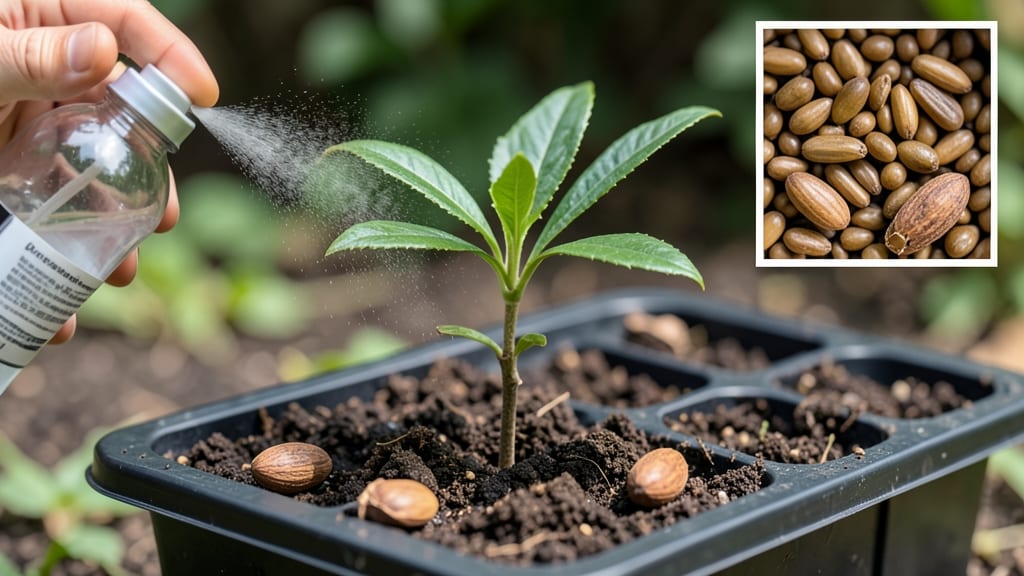
Eucalyptus seeds need cold stratification to break their stubborn dormancy—otherwise, you’ll stare at a tray of damp soil for months waiting for sprouts. 🌱 I’ve struggled with this myself, but once I cracked the timing and moisture balance, germination rates jumped from 10% to 80% in just 6-8 weeks.
The trick isn’t complicated, but eucalyptus seeds demand patience and precise conditions that other trees won’t tolerate.
You’ll need a few simple supplies: paper towels or a damp sand mix for stratification, a clear plastic bag to create humidity, and a warm spot (around 70°F) for the final germination phase. Most gardeners overlook the moisture check—seeds should feel damp like a wrung-out sponge, never soggy.
Too dry, and they won’t wake up; too wet, and they’ll rot before sprouting. Eucalyptus seeds also hate being moved once they start germinating, so plan your setup carefully.
By week 8, you’ll see tiny green hooks pushing through the soil—not the thick seedlings you’d expect, but delicate shoots that need gentle care.
These sprouts grow fast once established, and with proper light (bright but no direct midday sun), they’ll develop into sturdy young trees ready for transplanting. The payoff? A backyard eucalyptus that smells like a forest and attracts birds within a year.
This method works for all eucalyptus varieties, but some (like the fragrant lemon-scented gum) germinate faster than others. If you’re impatient, try soaking seeds overnight first—it can shave a week off the process.
Just don’t rush the stratification step; eucalyptus seeds won’t germinate reliably without it. Once you master it, you’ll never buy nursery starts again.
📚 In This Guide
- What you need
- Instructions
- Tips and common mistakes
- Wrapping up and next steps
What you need
- ● Eucalyptus seeds: 10–50 seeds (fresh or stored properly; avoid seeds older than 1 year for best results).
- ● Cold stratification supplies: 1–2 paper towels or seed germination pads (sterile and moistened).
- ● 1 resealable plastic bag (quart-sized or larger).
- ● 1 small container (e.g., plastic cup or Tupperware) for mixing seeds and moisture.
- ● Growing medium: 1 seedling tray or small pots (2–4 inches deep) with drainage holes.
- ● 1–2 potting mix bags (sterile, well-draining blend like 50% perlite/50% peat or coco coir).
- ● Tools: 1 spray bottle (for gentle watering).
- ● 1 small hand trowel (for transplanting).
- ○ 1 thermometer (optional but helpful for monitoring cold stratification temps, 35–45°F).
- ● 1 humidity dome or plastic wrap (to retain moisture during germination).
- ● 1 grow light (LED or fluorescent, 12–16 hours/day for seedlings).
- ● 1 seedling heat mat (if your climate struggles with warmth).
- ● 1 label maker or toothpicks + marker (to track seed varieties).
- ● 1 fungicide (e.g., hydrogen peroxide 3%, diluted to 1:10 with water, to prevent mold).
Step-by-step instructions for germinating eucalyptus seeds
Cold stratification unlocks eucalyptus germination—here’s how to break dormancy and coax those stubborn seeds to life.
🌱 Step 1: Collect and Prepare Fresh Eucalyptus Seeds
Harvest seeds from mature eucalyptus capsules when they turn brown and split open naturally. Store them in a paper towel-lined container at room temperature for 1-2 weeks to dry slightly—this prevents mold during stratification. I like to label the container with the seed source and date, because eucalyptus varieties germinate at different rates.
Before stratification, soak the seeds in lukewarm water for 24 hours to soften the hard outer shell. This step mimics natural rain cycles and helps break seed dormancy. After soaking, drain them thoroughly and pat dry with a paper towel. You’ll notice the seeds feel slightly lighter and the shells less rigid—this is your first sign they’re ready for cold treatment.
❄️ Step 2: Apply Cold Stratification for 6-8 Weeks
Place the dried seeds in a sealed plastic bag with a damp paper towel to maintain moisture. Store the bag in your refrigerator’s crisper drawer, where temperatures hover around 35-40°F. This mimics the winter chilling period eucalyptus seeds need to germinate in nature. Check the seeds every 2 weeks—if the paper towel dries out, mist it lightly with water and reseal the bag.
Stratification is the critical step eucalyptus growers often miss. Without it, seeds may take months—or never—sprout. You’ll know stratification is working when the seed coats soften further and the bag’s interior feels consistently cool but not icy. Patience here pays off: seeds left in cold for 8 weeks show the highest germination rates.
🌱 Step 3: Sow Stratified Seeds in Germination Medium
Fill a shallow tray with a mix of 50% perlite and 50% peat moss—this lightweight blend prevents damping-off while retaining moisture. Sprinkle the stratified seeds ¼ inch deep and space them 1 inch apart to avoid crowding. Gently press the soil around each seed to ensure good contact, but don’t compact it tightly.
Cover the tray with clear plastic wrap to create a greenhouse effect, then place it in a warm spot with indirect light (like a windowsill filtered through sheer curtains). The goal is to maintain soil temperatures between 65-75°F—too hot, and seeds rot; too cool, and they stall. You’ll see condensation form on the plastic within days—that’s your sign the humidity is ideal.
☀️ Step 4: Monitor for Sprouts and Transplant Carefully
Germination typically begins in 2-4 weeks, though some varieties take up to 6 weeks. You’ll spot tiny green sprouts first—these are the seed’s first true leaves breaking through the soil. Once they appear, remove the plastic wrap immediately to prevent fungal growth. Water gently from below by placing the tray in ½ inch of water for 10 minutes, then drain excess.
Eucalyptus seedlings are delicate—don’t let them dry out or become waterlogged. When they reach 2-3 inches tall and develop 2-3 sets of true leaves, transplant them into individual 3-inch pots with well-draining soil. Harden them off gradually by moving pots outside for 1 hour daily over 10 days before permanent planting.
⏰ Step 5: Maintain Ideal Growing Conditions
Young eucalyptus thrive in full sun and well-draining soil with a pH of 5.5-7.0. Water when the top 1 inch of soil feels dry, but avoid soggy conditions—eucalyptus roots rot easily. Fertilize lightly with a balanced 10-10-10 formula every 4-6 weeks during the growing season to encourage steady growth.
Here’s the thing—eucalyptus grows fast once established, but early stages demand consistency. Watch for leggy seedlings (a sign of insufficient light) and adjust their position as needed. Within 6-12 months, you’ll have a sturdy young tree ready for its permanent home in the landscape.
Tips & tricks for perfect eucalyptus seed germination
Here's what nobody tells you about breaking eucalyptus seed dormancy—these tricks make all the difference between waiting months for sprouts and seeing life emerge in weeks.
Seed Selection: Harvest seeds only from fully mature capsules that have naturally split open—these contain the most viable seeds. I've learned the hard way that green or unopened capsules yield seeds that rarely germinate. Store them in a paper towel-lined container for 1-2 weeks at room temperature to prevent mold during stratification, and label everything! Different eucalyptus varieties have unique germination rates, and you'll want to track which ones perform best.
Stratification Success: The 6-8 week cold treatment is non-negotiable for eucalyptus seeds. I recommend using a small plastic bag with a damp paper towel—this creates the perfect microclimate. Place it in your refrigerator's crisper drawer where temperatures stay consistently around 35-40°F. Check every 2 weeks and mist the paper towel if it dries out. You'll know it's working when the seed coats soften noticeably—this indicates the dormancy-breaking process is underway.
Germination Medium: The 50% perlite, 50% peat moss mix is crucial for preventing damping-off while maintaining moisture. Perlite's airiness prevents fungal growth, while peat moss retains enough moisture to keep seeds hydrated. When sowing, press the soil gently around each seed to ensure good contact without compacting it—this balance is what creates the ideal environment for those first sprouts to push through.
Light and Temperature: Position your germination tray in indirect light—think filtered windowsill rather than direct sun. The goal is to maintain soil temperatures between 65-75°F. Too hot and seeds rot; too cool and they stall. You'll see condensation forming on the plastic wrap within days—that's your sign the humidity is perfect. If your kitchen runs cooler, consider using a seedling heat mat to maintain optimal temperatures.
Pro Tips for Eucalyptus Seed Germination
- Here's what nobody tells you about breaking eucalyptus seed dormancy—these tricks make all the difference between waiting months for sprouts and seeing life emerge in weeks.
- Seed Selection: Harvest seeds only from fully mature capsules that have naturally split open—these contain the most viable seeds.
- Stratification Success: The 6-8 week cold treatment is non-negotiable for eucalyptus seeds.
Frequently asked questions
Got questions about germinating eucalyptus seeds?
You’re not alone! Here are answers to the most common queries—from timing tricks to troubleshooting tips—so you can boost your success rate with confidence.
How long does eucalyptus seed germination take?
Eucalyptus seeds can take anywhere from 2 to 6 weeks to germinate, depending on the species and stratification method. Cold stratification (4–6 weeks in the fridge) often speeds things up. Patience is key—some stubborn seeds may take longer, especially if they’re older or improperly stored.
Do all eucalyptus seeds need cold stratification?
Most eucalyptus seeds benefit from cold stratification (mimicking winter conditions), but it’s not always mandatory. Some fast-germinating species (like Eucalyptus tereticornis) may sprout without it. Test a few seeds first—if germination is slow, try the cold treatment for 4–6 weeks before giving up.
Why aren’t my eucalyptus seeds sprouting?
Common culprits include:
- Old seeds: Eucalyptus seeds lose viability quickly—use fresh seeds (preferably <1 year old).
- Improper stratification: Ensure seeds are moist but not soggy during cold treatment.
- Poor soil contact: Seeds need darkness; avoid burying them too deep (¼ inch max).
- Temperature swings: Keep them in a consistent 60–70°F environment post-stratification.
If nothing works, try soaking seeds in warm water for 24 hours before replanting.
Can I grow eucalyptus from seeds indoors?
Start seeds in small pots with a well-draining mix (peat + perlite). Use a humidity dome or plastic wrap to retain moisture, and place them near a sunny window or under grow lights. Once seedlings have 2–3 leaves, transplant them outdoors (if climate permits) or keep them indoors in a bright spot.
What’s the best alternative if my seeds won’t germinate?
If germination fails, consider:
- Layering: For some eucalyptus species, air-layering branches can produce new plants.
- Cuttings: Semi-hardwood cuttings (4–6 inches) from healthy branches often root well in perlite or sand.
- Nursery plants: Purchase young eucalyptus trees from reputable growers—just ensure they’re disease-free!
Pro tip: If you’re set on seeds, try scarification (lightly sanding the seed coat) to break dormancy.
Wrapping up and next steps
Mastering eucalyptus seed germination through cold stratification unlocks the door to thriving saplings—whether you're a gardener, landscaper, or conservationist. 🌱 With patience, precision, and the right techniques, you’ve learned how to break dormancy and coax those tiny seeds into vibrant life.
Now that you’re equipped with the science and step-by-step know-how, there’s no limit to what you can grow!
Ready to take the next step? Start small:
- Test your first batch with a few seeds to refine your method.
- Document your progress—track moisture, temperature, and germination rates for future reference.
- Share your success (or lessons learned) with fellow plant enthusiasts!