
Propagation
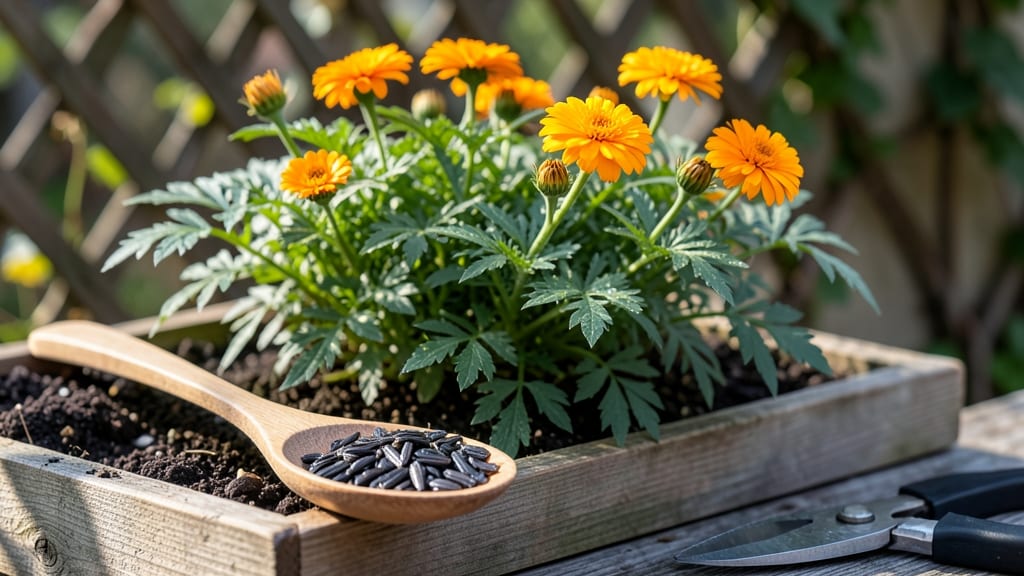
Edible calendula seeds offer a nutty, slightly bitter flavor with a crunchy texture, but must be harvested and prepared carefully to avoid potential toxicity risks. Soak in warm water overnight before eating to reduce bitterness and improve digestibility.
These seeds pack a unique flavor profile that works beautifully in savory dishes or herbal remedies, but their edibility depends entirely on proper preparation. 🌱 The key is harvesting them at peak maturity—when the seed heads turn brown and papery—while avoiding any green or unripe pods, which can contain mild toxins.
Once dried and stored properly in a cool, dark place, they'll keep for up to a year, making them a versatile pantry staple for health-conscious cooks.
Beyond their culinary uses, calendula seeds have been traditionally valued for their anti-inflammatory properties. Many herbalists recommend grinding them into a fine powder to create healing salves or infusing them in oils for topical applications.
Just remember: always consult with a healthcare provider before using them medicinally, especially if you're pregnant or have existing health conditions.
💡 In This Article
- How to Identify and Harvest Edible Calendula Seeds Safely
- Culinary and Medicinal Uses of Calendula Seeds
Culinary and medicinal uses of calendula seeds
Calendula seeds shine in culinary applications thanks to their distinctive nutty, slightly bitter profile that works beautifully in both sweet and savory dishes.
When toasted lightly in a dry skillet at 300°F for 3-5 minutes, they develop an aroma reminiscent of hazelnuts with a hint of earthiness—similar to how poppy seeds behave but with a more complex flavor. 🌟 Sprinkle them over fresh salads (especially those with arugula or radicchio) or blend them into homemade granola for a crunchy texture that contrasts perfectly with creamy yogurt or oatmeal.
The seeds also excel in baked goods, where their bitterness balances sweet flavors.
Try grinding 1-2 tablespoons of dried seeds into a fine powder and mixing them into whole wheat bread dough or muffins—this works particularly well with citrus-infused recipes, as the lemon or orange zest complements the seeds' herbal notes.
For a unique twist, infuse olive oil with calendula seeds (simmer 1 cup seeds in 2 cups oil for 10 minutes on low heat) to create a vibrant, golden-hued oil perfect for drizzling over roasted vegetables or drippings.
Medicinally, calendula seeds contain flavonoids and triterpene compounds that have been studied for their anti-inflammatory and wound-healing properties. Traditional herbalists often create poultices by grinding dried seeds into a paste with a small amount of water, then applying it directly to minor cuts or irritated skin.
The seeds' natural astringent qualities help reduce swelling, while their mild antimicrobial properties may help prevent infection—though they should never replace professional medical treatment for serious wounds.
When using calendula seeds medicinally, dosage is critical. Most herbal references recommend starting with 1/4 teaspoon (about 1 gram) of powdered seeds per day, taken with meals to aid digestion.
For topical applications, a 1:5 seed-to-oil ratio (e.g., 10g seeds to 50ml carrier oil) works well when infused for 4-6 weeks in a dark glass jar. Always perform a patch test first, as individual sensitivities can vary widely—some people experience mild skin irritation with calendula preparations.
One advanced technique worth exploring is creating a calendula seed "tea" by steeping 1 teaspoon of whole seeds in 1 cup boiling water for 10 minutes, then straining.
This infusion can be used as a gentle gargle for sore throats or consumed internally (though pregnant women should avoid it due to potential uterine-stimulating effects). The warm liquid helps release more of the seeds' beneficial compounds while mellowing their bitterness—similar to how chamomile flowers are prepared for tea.
What makes calendula seeds particularly fascinating is their dual role as both food and medicine. Unlike many herbs where you must choose between culinary and therapeutic uses, calendula seeds bridge both worlds seamlessly.
Their versatility extends to cosmetics too—ground seeds mixed with beeswax create a natural lip balm that soothes chapped skin while providing a subtle herbal scent. This multi-functional plant truly earns its reputation as a garden staple with serious practical applications. 💛