
Propagation
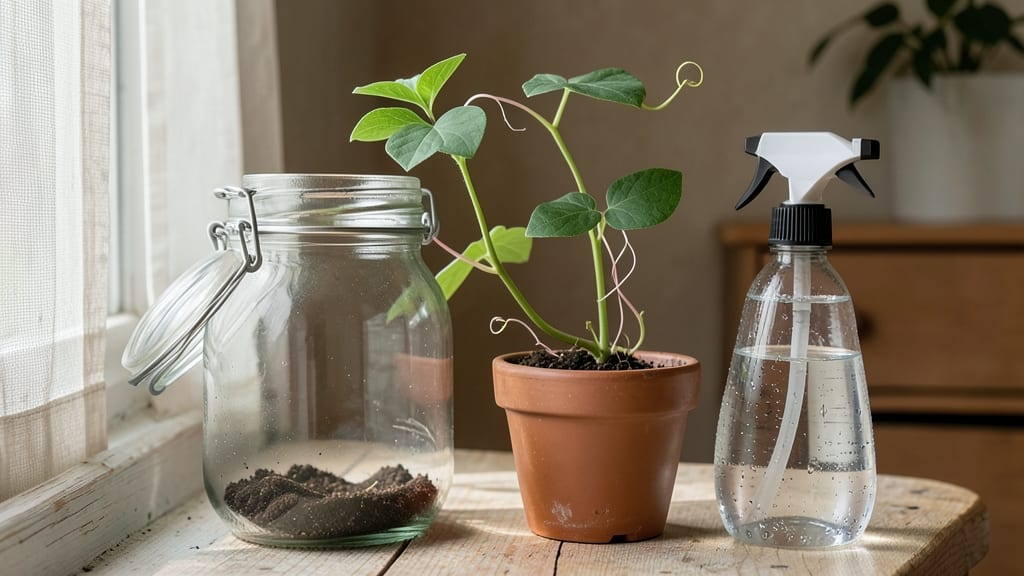
Seeds need oxygen to germinate because oxygen triggers enzymatic reactions that break down stored nutrients, fueling root and shoot growth. Without it, seeds suffocate and fail to sprout, even with proper moisture and temperature.
Oxygen acts like a spark for seeds—it kickstarts the metabolic processes that convert stored energy into the power needed for roots to push through soil and shoots to emerge. 🌱 Without it, seeds can't access the energy reserves they've been holding onto, leading to rot instead of growth.
Think of it like trying to start a car without fuel: no matter how you turn the key, nothing happens until you add the right ingredients.
This need for oxygen explains why some seeds struggle in waterlogged soil or sealed containers. Even if moisture and warmth are perfect, the lack of airflow creates an anaerobic environment that suffocates the seed's development.
For example, seeds planted too deeply often fail because oxygen can't reach them, while those in loose, well-aerated soil sprout reliably.
Understanding this process helps gardeners troubleshoot germination problems. If your seeds aren't sprouting despite ideal conditions, it might be time to check your soil's aeration or planting depth. The right balance of air, water, and warmth creates the perfect recipe for successful sprouting.
💡 In This Article
- How Oxygen Drives Seed Germination at the Cellular Level
- Practical Tips for Ensuring Proper Oxygen During Seed Sprouting
How oxygen drives seed germination at the cellular level
At the heart of germination lies mitochondrial respiration, where oxygen acts as the final electron acceptor in the electron transport chain. This process generates ATP (adenosine triphosphate), the seed's energy currency, by breaking down glucose from stored starches.
Without oxygen, this chain stalls, leaving seeds with just 2% of their normal ATP production—enough to sustain basic cellular functions but not enough to power growth. 🔥
Oxygen also activates amylase and protease enzymes, which convert starches into sugars and proteins into amino acids—the building blocks for new cells. In anaerobic conditions, these enzymes become sluggish, causing the seed to rely on inefficient fermentation pathways that produce toxic byproducts like ethanol.
For example, a pea seed's embryo can't mobilize its 30% stored starch without oxygen, leading to stunted or failed sprouting.
The seed's radicle (embryonic root) is particularly sensitive to oxygen deprivation. Within 24-48 hours of imbibition (water absorption), the radicle begins elongating—only if oxygen is present. Studies show that even a 5% oxygen reduction in the soil can delay germination by 3-5 days, while complete suffocation halts it entirely.
This explains why seeds planted in compacted clay soil often rot instead of sprout.
Temperature and moisture work hand-in-hand with oxygen to regulate germination. While warmth speeds up enzymatic reactions, it also increases oxygen demand—like a car engine revving faster but needing more fuel.
At 20-30°C (68-86°F), most seeds require 10-15% oxygen in the soil air pocket, but this drops to 5% or less in cooler conditions. The balance is delicate: too little oxygen, and the seed suffocates; too much evaporation, and it dries out.
Visualize this process like a dam breaking: oxygen removes the "block" on metabolic pathways, allowing stored nutrients to flood into the embryo. Without it, the seed remains in a metabolic limbo—neither alive nor dead, but unable to grow.
This is why seeds in sealed containers (like some germination kits) often fail: the oxygen is rapidly depleted by the seed's own respiration, creating a suffocating environment. 🌱