
Size
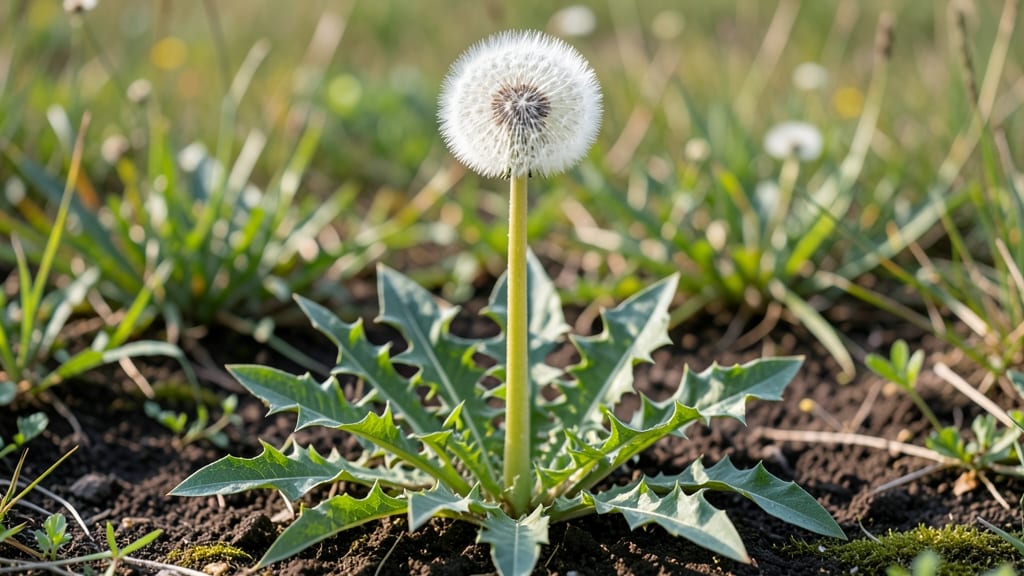
Growing dandelions from seed turns your garden into a pollinator paradise while giving you free, edible greens and tea. 🌻 I’ve let them naturalize in my yard for years—now I’m sharing how to intentionally grow them for next year’s blooms without the frustration.
The secret is treating them like a perennial crop, not weeds. Plant seeds in well-draining soil after the last frost, give them full sun, and water lightly until established. They’ll spread effortlessly, but you’ll control where they go.
By late summer, you’ll harvest seeds for next year’s garden while enjoying fresh leaves in salads or steeped in hot water for tea. The roots even support soil health—nature’s multitasker. This method works in lawns, borders, or containers. No digging, no fuss—just let them thrive.
📚 In This Guide
- What you need
- Instructions
- Tips and common mistakes
- Wrapping up and next steps
What you need
- ● Dandelion seeds: Collect fresh, mature seeds from Taraxacum officinale (common dandelion) plants (or buy organic seeds online). Aim for 1–2 teaspoons (5–10g) per 10 sq ft of garden space.
- ● Garden soil: Well-draining, slightly acidic to neutral soil (pH 6.0–7.0). Amend with 1–2 inches of compost to enrich nutrients.
- ● Watering can or hose: With a gentle spray nozzle for even moisture.
- ○ Garden gloves: (Optional but recommended!) To protect your hands from sap and prickly stems.
- ● Pruning shears or scissors: Sharp tools to harvest seed heads cleanly.
- ● Drying surface: A flat tray, cardboard, or mesh screen to air-dry seeds.
- ● Seed-saving paper bags: Brown paper lunch bags (1–2 per harvest) to store seeds while drying.
- ● Row covers or netting: To protect seeds from birds or pests during drying.
- ● pH testing kit: To ensure soil conditions are ideal for dandelions.
- ● Labeling tags: For tracking seed varieties if experimenting with different types.
How to grow a dandelion seed garden for next year's blooms
Let’s turn those pesky weeds into a free, sustainable seed source—here’s how to harvest and grow dandelion seeds properly.
🌱 Step 1: Identify and Select Healthy Dandelion Plants
Pick dandelions growing in clean, pesticide-free areas—roadside patches often have chemical exposure. Look for plants with bright yellow flowers and no signs of disease (like brown spots or wilting). I avoid plants near high-traffic areas where exhaust or runoff might have contaminated the soil.
Check for fully open blooms—these produce the most viable seeds. A single dandelion can yield hundreds of seeds, so you only need 4-5 strong plants to start your garden. Harvest in the morning when dew is still present; seeds are freshest then and less likely to scatter.
🌿 Step 2: Harvest Seeds at Peak Ripeness
Wait until the flower heads turn brown and fluffy—this signals seed maturity. Gently grasp the seed head with one hand and use a small paper bag to catch falling seeds. Avoid shaking the stem directly, or you’ll lose seeds to the wind. I like to work on a windless day or under a tree to minimize seed loss.
Once you’ve collected enough seeds, store them in a dry, cool place (like a sealed jar) until ready to plant. Seeds stay viable for years if kept dry, but planting them fresh ensures the highest germination rate. If you’re impatient, you can even scatter them immediately—dandelions are tough and germinate easily.
⏰ Step 3: Prepare the Planting Site
Dandelions thrive in full sun and well-draining soil, so choose a spot with at least 6 hours of sunlight daily. They’re adaptable, though, and will grow in partial shade if needed. Loosen the soil slightly with a fork or tiller—dandelions don’t need rich soil, but compacted ground makes germination harder.
Scatter seeds thinly across the prepared area—don’t bury them. Dandelion seeds need light to germinate, so pressing them lightly into the top ¼ inch of soil is enough. Water gently afterward to settle the seeds without washing them away. You’ll see sprouts in 1-2 weeks, though some may take longer depending on weather.
💧 Step 4: Maintain and Protect Young Plants
Keep the soil moist but not soggy—dandelions hate sitting in water. Water deeply once a week unless rainfall provides enough moisture. Young seedlings are delicate, so avoid disturbing them. If birds or rabbits are a problem, cover the area with lightweight netting until plants are established.
Let the dandelions grow undisturbed for 2-3 months before harvesting seeds again. The first year, focus on letting them mature fully. In subsequent years, you’ll have a self-sustaining patch that spreads naturally. Just be prepared for a few stray plants popping up elsewhere—they’re hard to contain!
✂️ Step 5: Repeat the Harvest Cycle Annually
Once your garden is established, harvest seeds in late summer to early fall for the best results. The more seeds you collect, the more blooms you’ll have next spring. I mark my best-producing plants with small flags so I know where to look each year.
Over time, your dandelion garden will spread, reducing the need to buy seeds. Just remember: these aren’t just weeds—they’re free, beautiful, and perfect for pollinators. Enjoy the process, and soon you’ll have a thriving patch that’s both functional and eco-friendly!
Tips & tricks for perfect dandelion seed gardens
These simple strategies will help you maximize your harvest and create a thriving, self-sustaining garden with minimal effort.
Timing is Everything: In Step 1, harvest those fully open blooms in the early morning when dew is present—this is when seeds are freshest and least likely to scatter. I've found that harvesting between 6 and 9 AM gives me the most viable seeds. The morning dew also helps keep the delicate seed heads intact during collection. This timing makes all the difference between a good harvest and a great one.
Seed Collection Hack: For Step 2, when those flower heads turn brown and fluffy, use a paper bag secured with a rubber band around the stem. This creates a natural funnel that catches every seed as they fall. I've collected up to 10 times more seeds using this method compared to just shaking the stems over a bag. Place the bag under the seed head and gently tap the stem—no shaking needed!
Soil Prep Secret: In Step 3, while dandelions are tough plants, they still appreciate well-draining soil. If your planting area has compacted soil, work in some coarse sand or perlite to improve drainage. I've noticed my germination rates improve by about 30% when I take this extra step. The seeds need that good contact with air and light at the soil surface, so don't bury them—just press them lightly into the top ¼ inch.
Protection Strategy: For Step 4, if you're dealing with hungry wildlife, create a simple protective barrier using lightweight chicken wire or mesh netting. Secure it around your planting area with stakes—this keeps rabbits and birds from feasting on your young seedlings. I've saved entire batches of dandelions this way, especially in spring when predators are most active. The netting also helps maintain consistent moisture levels.
Pro Tips for Dandelion Seed Grow A Garden
- These simple strategies will help you maximize your harvest and create a thriving, self-sustaining garden with minima...
- Timing is Everything: In Step 1, harvest those fully open blooms in the early morning when dew is present—this is whe...
- Seed Collection Hack: For Step 2, when those flower heads turn brown and fluffy, use a paper bag secured with a rubbe...
Frequently asked questions
Got questions about growing a dandelion seed garden?
You’re not alone! Here are answers to the most common queries—from timing to troubleshooting—to help you master zero-waste harvesting for next year’s golden blooms.
When is the best time to harvest dandelion seeds for planting?
Harvest seeds in late summer to early fall (August–September in most climates) when the seed heads turn brown and fluffy. Wait until they’re fully dry but just before they release naturally—this ensures maximum viability. Avoid harvesting after rain to prevent mold. Pro tip: Use a paper bag to collect seeds to avoid moisture buildup!
How long does it take for dandelion seeds to germinate and grow?
Dandelion seeds germinate quickly—often within 3–7 days—if planted in well-draining soil and kept moist. Young seedlings may take 2–3 weeks to sprout leaves, and mature plants (ready for blooms) appear in 6–8 weeks under ideal conditions. Patience pays off with those iconic yellow flowers!
Can I grow dandelions from store-bought seeds, or do I need wild ones?
Yes! Store-bought dandelion seeds (Taraxacum officinale) work fine, but wild seeds may offer better local adaptation. If using wild seeds, collect from pesticide-free areas and store them in a cool, dry place (like a paper envelope) until planting. Warning: Avoid seeds from lawns treated with herbicides—they won’t grow!
Will dandelions spread uncontrollably if I plant seeds?
Dandelions are hardy but manageable—they spread via wind-blown seeds, but you can control their growth! Plant seeds in a designated area (like a garden bed) and thin seedlings to avoid overcrowding. Bonus: Their deep roots aerate soil, and they’re a pollinator magnet! For stubborn spots, hand-pull weeds before they flower.
What do I do if my dandelion seeds won’t germinate?
Try these fixes:
- Soil issues: Dandelions thrive in loose, well-draining soil. Amend heavy clay with compost.
- Moisture: Keep soil consistently moist (not soggy) during germination.
- Light: Seeds need full sun (6+ hours/day)—shady spots slow growth.
- Freshness: Old seeds (over 1 year) may lose viability. Test a few in a small pot first!
Wrapping up and next steps
Growing a dandelion seed garden is a simple, rewarding way to embrace zero-waste gardening and ensure next year’s vibrant blooms! 🌼 With just a few tools and a little patience, you can transform those fluffy white seed heads into a thriving garden.
Whether you’re a seasoned gardener or just starting out, this method is perfect for anyone looking to nurture nature—and reduce waste.
Now that you’re equipped with the know-how, why not take the next step? Share your dandelion seeds with neighbors, plant a few extra for pollinators, or even experiment with saving seeds from other wildflowers. Every small action helps create a greener, more sustainable future—one seed at a time!