
Lawn
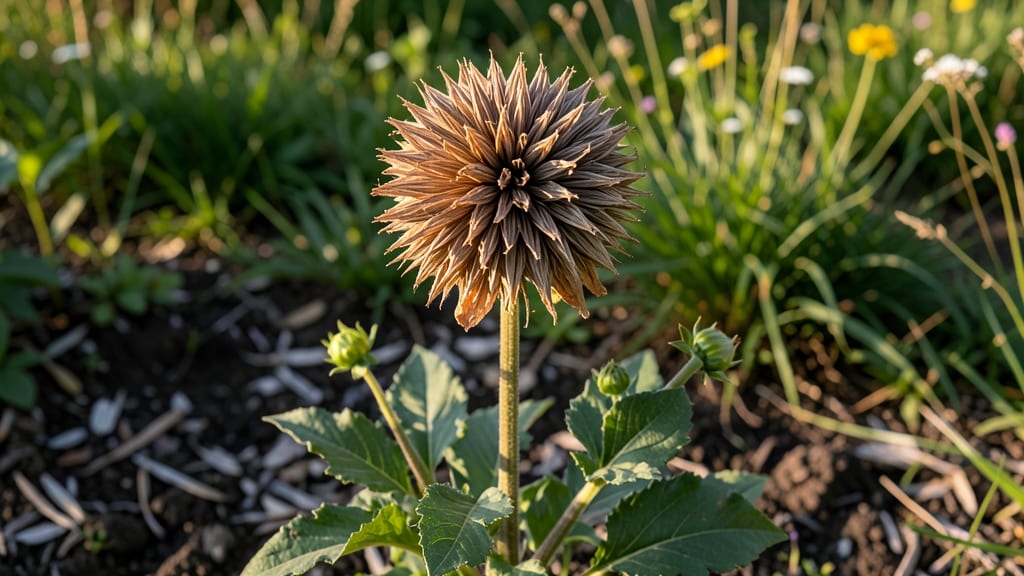
Those dahlia seed heads that pop open like tiny firecrackers are nature’s way of giving you free plants for next year. 🌱 I’ve saved seeds from my dahlias for three seasons now, and once you see how easy it is, you’ll never buy tubers again—they’re free, reliable, and full of genetic surprises from your own garden.
The key moment arrives in late fall when the seed pods turn papery brown and split open on their own. You’ll hear them pop if you’re near the plants, and that’s your cue to collect them before the seeds scatter.
A simple paper bag under each plant catches hundreds of seeds in minutes—no fancy tools needed. What you end up with is a stash of seeds that germinate faster and stronger than store-bought tubers.
The first sprouts appear in 3-4 weeks when started indoors, and you’ll have blooms by midsummer from plants that carry your garden’s unique characteristics. No two seed-grown dahlias are exactly alike, which is half the fun.
This method works for gardeners in zones 7-10, though you’ll need to adjust timing slightly for cooler climates. Here’s exactly how to turn those poppy seed heads into next year’s showstoppers—without wasting a single plant.
📚 In This Guide
- What you need
- Instructions
- Tips and common mistakes
- Wrapping up and next steps
What you need
- ● Mature dahlia plants (with fully developed seed heads—look for brown, papery pods that pop open when touched).
- ● Sharp pruning shears or garden scissors (sterilized to prevent disease spread).
- ● Paper bags or breathable mesh bags (1–2 per plant, labeled with the dahlia variety).
- ● Newspaper or cardboard (for drying—avoid plastic, which traps moisture!).
- ● Rubber bands or twine (to secure seed heads in bags).
- ● Small paper envelopes or seed packets (for final storage).
- ● Pencil or marker (for labeling varieties and harvest dates).
- ● Gloves (to protect hands from prickly stems or thorns).
- ● Desiccant packets (to absorb excess moisture during drying).
- ● Digital scale (for tracking seed weight if you’re super organized!).
- ● Camera or notebook (to document plant traits for future reference).
How to harvest dahlia seed heads for zero-waste seed saving
Turn your spent dahlias into next year's plants with this easy, eco-friendly method.
🌱 Step 1: Wait for Seed Pods to Mature Fully
Leave the dried seed heads on the plant until they turn completely brown and begin to crack open naturally. This usually happens in late fall after the first frost. The pods will pop open on their own when fully dry—don't rush this process. If you harvest too early, the seeds won't be viable.
Check daily once the heads turn brown. You'll hear a soft popping sound as the pods release seeds. This is your cue that the seeds are ready. I like to place a brown paper bag under the plant to catch falling seeds—it makes cleanup effortless.
💧 Step 2: Collect Seeds Before They Scatter
Once the seed pods start popping, gather them immediately to prevent seeds from scattering across the garden. Use clean, dry hands or a small mesh bag to collect the open pods. If you miss some, don't worry—they'll still germinate, but collecting them right away keeps your seed stash organized.
Empty the seeds into a paper envelope or small jar labeled with the dahlia variety and the harvest year. Store them in a cool, dry place like a seed drawer or pantry. Seeds remain viable for 2-3 years if kept dry.
✂️ Step 3: Clean and Prepare Seeds for Storage
Remove any remaining chaff or debris by gently rubbing the seeds between your fingers over a clean surface. Discard empty or shriveled seed casings—they won't grow. I use a fine mesh strainer to separate seeds from dust and tiny fragments.
For extra protection, place the cleaned seeds in a paper envelope inside a sealed plastic bag with a moisture absorber packet (like those used for electronics). This prevents mold and keeps seeds fresh. Label clearly—next year's garden will thank you!
☀️ Step 4: Store Seeds Properly for Next Year
Keep seeds in a cool, dark place between 35-45°F for best longevity. A refrigerator's crisper drawer works well, but avoid the freezer—temperature fluctuations can damage seeds. Check stored seeds annually and discard any that look discolored or shriveled.
When ready to plant, soak seeds in lukewarm water for 12 hours before sowing. This softens the outer shell and speeds up germination. Dahlias from seed take 8-12 weeks to mature, so start them indoors in early spring for a summer bloom.
⏰ Step 5: Plan for Next Season's Planting
In early spring, fill small pots with seed-starting mix and plant 2-3 seeds per pot at a depth of ½ inch. Cover lightly with soil and mist gently. Place pots in a warm, sunny spot (or under grow lights) until sprouts appear in 2-3 weeks
Once seedlings have 2-3 true leaves, transplant them to larger containers or the garden after the last frost. Dahlias love full sun and well-draining soil. With patience, your homegrown seeds will reward you with vibrant blooms just like the parent plant!
Tips & tricks for perfect dahlia seed harvesting
Here's what I've learned after years of saving dahlia seeds—these small tricks make all the difference between viable seeds and wasted effort.
Listen for the Pop: The most reliable sign your seeds are ready isn't just color—it's sound. When pods are fully mature, you'll hear a soft popping noise as they release seeds. This happens naturally in late fall after frost, but if your garden stays warm, you might need to wait until the first chilly nights. I keep a small notebook by my garden to track when different varieties pop, which helps me anticipate next year's planting schedule.
Seed Collection Strategy: Don't rely on just one collection method. I use a combination approach: place brown paper bags under plants to catch falling seeds, then hand-collect any remaining open pods. For stubborn varieties, I gently tap the dried heads over a clean sheet of newspaper to dislodge any lingering seeds. This two-step method ensures I don't miss a single viable seed—especially important for heirloom dahlias where seed supply matters.
Storage Intelligence: The 35-45°F storage temperature range is critical, but don't just shove seeds in your fridge without preparation. First, let them dry completely for 24 hours after cleaning to prevent mold. Then, place them in a sealed bag with a moisture absorber packet. I've found that storing seeds in small paper envelopes inside the bag makes them easier to organize by variety—no more digging through a single mass of seeds when it's time to plant.
Germination Boost: The 12-hour lukewarm water soak before planting is your secret weapon for overcoming dahlia seeds' tough outer shells. For even better results, I add a drop of liquid seaweed fertilizer to the soaking water—it contains natural plant hormones that stimulate growth. Just be sure to use lukewarm water (around 80°F), not hot, to avoid damaging the delicate embryos inside.
Pro Tips for Dahlia Seed Head
- Here's what I've learned after years of saving dahlia seeds—these small tricks make all the difference between viable seeds and wasted effort.
- Listen for the Pop: The most reliable sign your seeds are ready isn't just color—it's sound.
- Seed Collection Strategy: Don't rely on just one collection method.
Frequently asked questions
Got questions about harvesting and saving dahlia seed heads? You’re not alone! Here are some of the most common queries—and their answers—to help you master zero-waste seed saving like a pro.
Why do dahlia seed heads pop open before I can collect them?
Dahlia seed heads naturally explode when dry to scatter seeds—it’s their survival trick! To beat them, harvest pods before they turn brown and crispy (usually late summer to early fall). If they’ve already popped, check the ground for escaped seeds or collect any remaining pods.
How do I know when dahlia seed heads are fully mature?
Look for three key signs:
- Color: Pods shift from green to tan or light brown (like dry paper).
- Texture: They feel papery and crinkle easily.
- Sound: A gentle tap should make them rattle (seeds inside!).
Can I save seeds from hybrid dahlias?
Yes, but expect surprises! Hybrid dahlias (like ‘Karma Choc’ or ‘Café au Lait’) may revert to their parent traits, meaning your saved seeds could grow into something totally different—maybe a smaller bloom or a new color! For true-to-type seeds, opt for heirloom or open-pollinated varieties.
What’s the best way to store dahlia seeds after harvesting?
Keep seeds cool, dry, and dark to prevent mold:
- Let pods dry completely (1–2 weeks in a paper bag with airflow).
- Crack open pods and remove seeds (they’re tiny—think poppy seeds!).
- Store in an airtight container (like a glass jar) with a desiccant packet in the fridge or freezer. Seeds stay viable for 2–3 years!
What do I do if my seed heads get moldy or squishy?
Mold or rot means too much moisture—common if pods stay on damp plants. Here’s how to salvage them:
- Remove only the healthy-looking pods (discard moldy ones).
- Speed-dry pods in a low-heat oven (150°F) for 1–2 hours or under a fan.
- If seeds are still viable (no fuzz or discoloration), store them as usual.
Wrapping up and next steps
Harvesting dahlia seed heads isn’t just a clever way to save seeds—it’s a zero-waste win that keeps your garden blooming year after year! 🌱 With the right timing, tools, and a little patience, you’ll unlock a treasure trove of seeds while reducing garden waste.
Whether you’re a seasoned gardener or just starting out, this simple process makes seed saving feel effortless—and rewarding.
Ready to put your new skills to the test? Start by monitoring your dahlias this season—the next time those seed pods begin to pop open, you’ll be all set to collect, dry, and store your seeds for future plantings. Happy gardening!