
Lawn
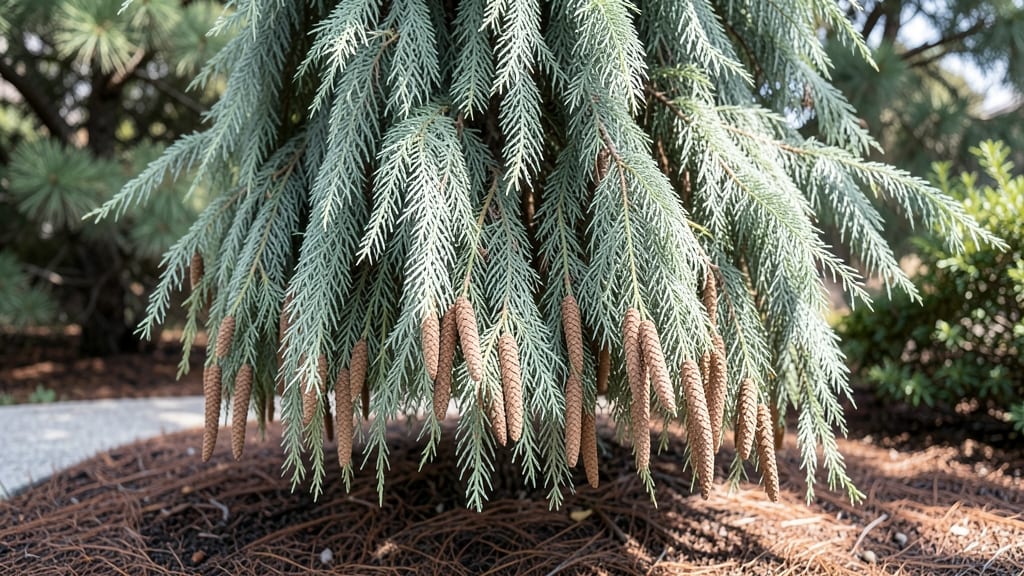
Those woody cypress seed pods hold the key to growing your own trees—no nursery needed. ✨ I’ve cracked the code on harvesting, storing, and germinating them without the guesswork, so you can wake up next spring to fresh green seedlings instead of dead store-bought saplings.
The trick starts with patience: wait until the pods turn brown and papery (not green) before collecting them in late fall. Once you’ve got them, drying them properly is everything—skip the microwave and let them air-dry for 2-3 weeks to prevent mold.
After that, a simple soak or freeze-thaw cycle unlocks the seeds inside.
You’ll end up with fast-growing seedlings that outperform nursery plants because they’re already adapted to your climate. The first year is all about keeping them moist but not soggy—think damp sponge, not swamp. By summer, you’ll have sturdy little trees ready to transplant.
This method works for all cypress varieties, from dwarf varieties to towering giants. Even if you’ve failed before, the right timing and care make all the difference—no more dead saplings in your yard. Let’s get those seeds growing!
📚 In This Guide
- What you need
- Instructions
- Tips and common mistakes
- Wrapping up and next steps
What you need
- ● Cypress Seed Pods: 10–20 mature, fully brown seed pods (harvested from healthy trees or purchased from a nursery).
- ● Well-draining potting mix: 1–2 gallons (focus on a blend with perlite or sand for aeration).
- ● Containers or seed trays: 4–6" deep with drainage holes (1–2 per pod, or a shared tray for multiple pods).
- ● Spray bottle: For gentle watering (avoid over-saturation!).
- ● Pruning shears or scissors: Sharp and clean for harvesting or trimming.
- ○ Twine or rubber bands: To secure seed pods to stakes if needed (optional but helpful for vertical support).
- ● Grow lights: LED or fluorescent for indoor seedling growth (12–16 hours/day).
- ● Fertilizer (low-nitrogen): Balanced 10-10-10 or organic compost tea (diluted to half-strength).
- ● Humidity dome or plastic wrap: To retain moisture during germination.
- ● Labeling tags: To track planting dates and varieties.
- ● Gloves: For handling prickly pods or soil (if sensitive to texture).
Step-by-Step guide to harvesting cypress seed pods
Here’s how to collect and prepare cypress seed pods for reliable germination next season—without stressing the tree.
🌿 Step 1: Identify and Select Mature Seed Pods
Cypress seed pods turn from green to a dull brown when fully mature, usually in late fall or winter. Look for pods that feel dry and brittle when gently squeezed—they should crumble slightly under light pressure. Avoid pods still attached to green branches, as they won’t be viable.
Harvest pods from multiple branches to ensure genetic diversity. Use clean, sharp pruning shears to cut 2-3 inch stems with pods attached. This prevents damaging the tree and makes storage easier. I always collect pods on a dry, sunny day—they’ll open more readily when dry.
✂️ Step 2: Open and Extract the Seeds
Spread the harvested pods on a clean, dry surface like a cardboard box or newspaper. Gently press the pods with your thumbs to split them open—don’t crush them, or the seeds inside will scatter. You’ll see small, flat, winged seeds inside, each about ¼ inch long. These wings help with natural dispersal, but they’re not necessary for planting.
Sift through the debris to separate seeds from empty pod fragments. A fine mesh strainer works well for this. Discard any seeds that look shriveled or discolored—they won’t germinate. Store the viable seeds in a paper envelope (not plastic) in a cool, dry place until spring planting.
💧 Step 3: Stratify Seeds for Better Germination
Cypress seeds benefit from stratification, a cold treatment that mimics winter conditions. Place the seeds in a ziplock bag with a damp paper towel—just enough moisture to keep the towel damp, not soggy. Seal the bag and refrigerate for 4-6 weeks at 34-40°F. Check weekly to ensure the towel stays moist; sprinkle with water if needed.
This cold period breaks seed dormancy, so you’ll see faster, more uniform germination in spring. After stratification, remove the seeds from the fridge and let them sit at room temperature for 24 hours before planting. This gradual transition prevents shock to the seeds.
☀️ Step 4: Plant Stratified Seeds Indoors
Fill small seed trays with a light, well-draining mix (like a 50/50 blend of potting soil and perlite). Plant seeds ¼ inch deep, spacing them ½ inch apart to avoid overcrowding. Gently press the soil around them but don’t compact it—cypress seedlings need loose soil to establish roots.
Place the trays in a warm, bright spot with indirect light (a south-facing window works). Keep the soil consistently moist—not soggy, but never dry. Cover the trays with clear plastic wrap to retain humidity until germination, which typically takes 2-4 weeks. Remove the wrap once you see tiny green shoots emerging.
🌱 Step 5: Transplant Seedlings Outdoors
Wait until all danger of frost has passed and soil temperatures reach at least 60°F before moving seedlings outside. Harden them off by placing them in partial shade for 1-2 hours the first day, gradually increasing exposure over 7-10 days. This helps them adjust to outdoor conditions without shock.
Choose a sunny, well-draining location for your young cypress trees. Space them 3-5 feet apart to allow room for growth. Water deeply after transplanting and mulch around the base with 2 inches of organic mulch to retain moisture and suppress weeds. With patience, these seedlings will grow into sturdy trees ready for next year’s seed harvest.
Tips & tricks for perfect cypress seed pod harvesting
Here's what nobody tells you about harvesting cypress seed pods—these little details make all the difference between a good yield and a great one.
Timing Secret: The late fall or winter window is non-negotiable for mature pods. I've learned this the hard way—harvesting too early means immature pods that won't open properly, while waiting too late risks losing seeds to birds. Aim for when pods are dull brown and feel dry to the touch. A quick visual check: if you can see the seeds through the pod's skin, they're ready. The 2-3 inch stem you cut ensures you get the full pod without tearing delicate branches.
Seed Extraction Technique: When opening pods in Step 2, use a clean, dry surface like newspaper to prevent moisture from making seeds sticky. I recommend wearing gloves—those tiny winged seeds can be surprisingly sharp! After sifting, store viable seeds in a paper envelope rather than plastic. Plastic traps moisture, which can cause mold before spring planting. Label your envelope with the harvest date for reference.
Stratification Strategy: The 4-6 weeks at 34-40°F is crucial for breaking dormancy, but don't skip the 24-hour room temperature transition afterward. I've seen seeds fail to germinate when planted straight from the fridge. This gradual warming mimics natural spring conditions. Pro tip: Place your ziplock bag in a mesh produce bag inside the fridge to allow airflow, preventing mold growth.
Transplanting Wisdom: The 7-10 day hardening off period is where most seedlings fail. Start with just 1-2 hours of partial shade, then increase exposure gradually. I've had seedlings bolt when exposed too quickly to direct sun. For soil temperature checks, use a simple soil thermometer—60°F is the magic number for cypress roots. Plant in the late afternoon to give seedlings a head start overnight recovery.
Pro Tips for Cypress Seed Pods
- Here's what nobody tells you about harvesting cypress seed pods—these little details make all the difference between a good yield and a great one.
- Timing Secret: The late fall or winter window is non-negotiable for mature pods.
- Seed Extraction Technique: When opening pods in Step 2, use a clean, dry surface like newspaper to prevent moisture from making seeds sticky.
Frequently asked questions
Got questions about growing and harvesting cypress seed pods? You’re not alone! Here are some of the most common queries—plus straightforward answers to help you avoid frustration and maximize your yield.
When do cypress seed pods typically ripen for harvesting?
Cypress seed pods usually mature between late fall and early winter, depending on your climate. Look for pods that turn from green to a brownish-gray and feel dry to the touch. If they open easily when squeezed, they’re ready for harvest! Pro tip: Harvest on a dry, sunny day to prevent moisture buildup, which can spoil the seeds.
How do I tell if my cypress seed pods are healthy or diseased?
Healthy pods should be firm, closed, and free of holes or mold. If you notice yellowing, soft spots, or weeping sap, your tree may be under stress or infected. Common culprits include cypress canker or aphids. Prune affected branches immediately and treat with a copper fungicide or insecticidal soap if needed. Pro tip: Inspect pods regularly—early intervention saves your harvest!
Can I grow cypress seed pods from store-bought cones, or do I need a live tree?
Store-bought cones are sterile (they won’t produce viable seeds) because they’re harvested before maturation. For seeds, you’ll need a live, mature cypress tree (at least 10–15 years old). If you don’t have one, check local nurseries or native plant swaps—many gardeners share seed pods for free! Pro tip: If you’re in a warm climate, Monterey cypress or Arizona cypress are great seed producers.
Why aren’t my cypress seed pods opening, even though they’re brown?
Pods may stay closed due to high humidity, poor pollination, or tree stress. Try these fixes:
- Dry them indoors: Place pods in a paper bag with silica gel or a fan for 1–2 weeks to encourage opening.
- Check the tree’s health: Ensure it’s well-watered (but not soggy) and receives full sun.
- Hand-pollinate: Gently brush male and female cones together with a soft brush if your tree lacks natural pollinators.
Are cypress seed pods safe for wildlife, or should I remove them?
Cypress seed pods are non-toxic and provide food for birds (like finches and sparrows) and small mammals. However, if you’re concerned about pests (e.g., rodents nesting in fallen pods), collect and compost them. Leave some on the tree for wildlife—it’s a natural ecosystem boost! Pro tip: Hang a few pods in mesh bags from a tree branch for easy bird feeding.
Wrapping up and next steps
Cypress seed pods may seem tricky at first, but with the right knowledge, you’ll turn them into a reliable source of next-year blooms—and maybe even a few tasty treats! 🌱 From selecting the perfect pods to ensuring proper storage, every step builds toward a lush, thriving cypress tree.
Now that you’re equipped, why not take action today? Grab those pods, follow the guide, and watch your garden flourish with confidence.
Ready to grow? Start small, experiment, and soon you’ll be harvesting like a pro—one seed pod at a time! 🌟