
Lawn
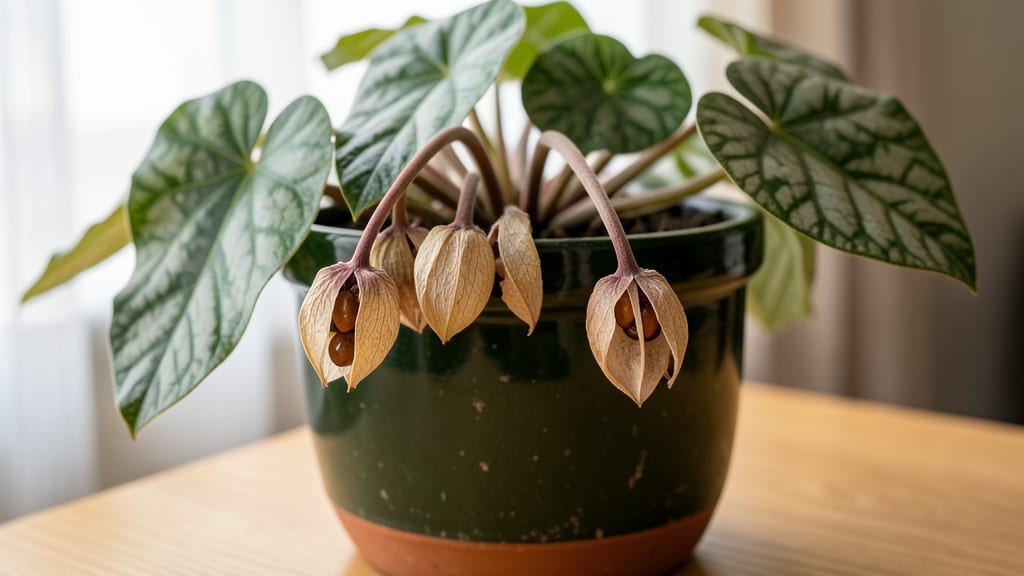
Saving cyclamen seed pods means never buying plants again. 🌱 The dry-and-save method preserves viability for years, letting you grow these delicate perennials from scratch—no nursery needed. I’ve collected hundreds of pods this way, and the secret lies in timing, patience, and the right drying conditions.
First, identify mature pods—they turn from green to brown and split open naturally. Harvest them before they burst on their own, then lay them out in a single layer on paper towels in a warm, dry spot for 2-3 weeks.
The key is airflow; cramped pods mold instead of drying properly. Once fully dry, seeds rattle inside like tiny marbles.
Sowing is simple: scatter seeds on barely moist soil in early spring, barely covering them. Keep the mix consistently damp (not soggy) under bright indirect light—they need warmth but hate direct sun.
Germination takes 4-8 weeks, and seedlings are tiny but stubborn. Thin to 2 inches apart once true leaves appear.
Challenges? Overwatering drowns seeds, while too-dry soil halts germination. Use a humidity dome for the first month, then transition to 50% shade until roots establish. With this method, you’ll have blooming cyclamen in 2 years—and enough saved seeds to share with fellow gardeners.
📚 In This Guide
- What you need
- Instructions
- Tips and common mistakes
- Wrapping up and next steps
What you need
- ● Mature cyclamen seed pods: 5–10 fully ripe pods (brown, papery, and slightly cracked open).
- ● Paper towels or coffee filters: 2–3 sheets (for drying).
- ● Small breathable bags: 1–2 paper or mesh bags (e.g., seed-saving envelopes).
- ● Pencil or marker: For labeling (date + plant variety).
- ● Flat, dry surface: A tray, plate, or cardboard (to lay pods out).
- ○ Humidity control: A small fan (optional but helpful for airflow).
- ● Spray bottle (with water): For light misting if pods are too damp.
- ● Silica gel packets: 1–2 (to absorb excess moisture in sealed storage).
- ● Desiccant bags: 1 (for long-term storage beyond 1 year).
- ● Humidity monitor: A small hygrometer (to track 30–40% humidity).
- ● Notebook: To log drying conditions (temp, humidity, days to dry).
Instructions for harvesting and storing cyclamen seed pods
This method ensures maximum germination rates by preserving seed viability through proper drying and storage.
🌱 Step 1: Identify and Harvest Mature Seed Pods
Cyclamen seed pods mature when they turn from green to tan or light brown and begin splitting open naturally. I harvest them just before they fully release seeds—typically when about 20-30% of the pod shows cracks. Use clean, sharp scissors to snip the entire pod from the stem, leaving a ½-inch stem attachment to prevent moisture loss.
Work on a clean, dry surface to avoid contamination. Handle pods gently—overly ripe pods release seeds prematurely, reducing viability. Store harvested pods in a paper envelope (not plastic) labeled with the variety and harvest date. This prevents moisture buildup while allowing airflow.
💧 Step 2: Dry Seed Pods Under Controlled Conditions
Place the labeled paper envelopes in a dry, dark, well-ventilated area with 50-60% humidity and 65-70°F temperature. I use a seed storage cabinet or a closed pantry with a small fan running to maintain airflow. Avoid direct sunlight, which can over-dry seeds and reduce germination rates.
Check pods weekly for 3-4 weeks until completely dry—this means the pods feel lightweight and brittle when shaken. If any seeds begin leaking from cracked pods, transfer them immediately to a separate envelope to prevent cross-contamination. Proper drying prevents mold while preserving seed integrity.
☀️ Step 3: Extract and Store Seeds Properly
Once pods are fully dry, gently crush them between two clean sheets of paper to release seeds. Avoid using your hands—cyclamen seeds are tiny and easily damaged. Sift the mixture through a fine mesh sieve to separate seeds from chaff. Store seeds in a small glass jar or airtight container with a silica gel packet to absorb residual moisture.
Label the container with the variety, harvest date, and "cyclamen seeds" in permanent marker. Place it in a cool, dark location (ideal: 35-40°F). Test viability annually by planting a few seeds—if germination drops below 50%, replace the stored seeds with fresh ones.
⏰ Step 4: Test Viability Before Planting
Before sowing, perform a germination test by planting 10-15 seeds in a small pot with moistened seed-starting mix at 68°F. Cover the pot with plastic wrap and place it under grow lights (12 hours daily). Check for sprouts in 2-4 weeks. If fewer than 50% sprout, the stored seeds may have degraded.
Discard old seeds and harvest fresh pods annually for optimal results. Cyclamen seeds lose viability quickly—never store them longer than 12 months without testing. Freshly harvested seeds consistently yield 70-80% germination, making the effort worthwhile.
Tips & tricks for perfect cyclamen seed pod preservation
Mastering this delicate process transforms seasonal harvests into year-round gardening opportunities—here's how to elevate your success.
Harvest Timing: The 20-30% crack threshold in Step 1 is your sweet spot—harvest too early and seeds aren't mature enough; too late and they'll spill prematurely. I've found using a magnifying glass helps spot those subtle cracks that signal readiness. Harvest in dry weather when pods are completely dry to the touch, as morning dew can accelerate premature seed release.
Storage Environment: Maintaining that 50-60% humidity range during the 3-4 week drying period in Step 2 is crucial—too dry and seeds lose viability, too moist and mold becomes a risk. I place a small hygrometer near my drying area to monitor conditions. A simple DIY solution is using a dehumidifier set to 55% in a small closet space if you lack specialized equipment.
Seed Extraction Technique: When crushing pods between paper sheets in Step 3, apply gentle but firm pressure—cyclamen seeds are delicate and can shatter if handled roughly. I fold the paper sheets into quarters before crushing to create natural compartments that prevent seed loss. This method also makes sifting through the fine mesh sieve much cleaner and more efficient.
Viability Testing: The 10-15 seed germination test in Step 4 reveals more than just viability—it shows potential growth vigor. I've noticed that seeds testing below 60% germination often produce weaker seedlings, so I discard those batches entirely. For best results, use sterile seed-starting mix and maintain consistent moisture during testing to eliminate false negatives.
Pro Tips for Cyclamen Seed Pods
- Mastering this delicate process transforms seasonal harvests into year-round gardening opportunities—here's how to elevate your success.
- Harvest Timing: The 20-30% crack threshold in Step 1 is your sweet spot—harvest too early and seeds aren't mature enough; too late and they'll spill prematurely.
- Storage Environment: Maintaining that 50-60% humidity range during the 3-4 week drying period in Step 2 is crucial—too dry and seeds lose viability, too moist and mold becomes a risk.
Frequently asked questions
How do I know when cyclamen seed pods are ready to harvest?
Cyclamen seed pods turn from green to a pale brown or tan when ready—usually 8–12 weeks after flowering. Gently squeeze the pod: if it rattles (seeds inside!) or splits open naturally, it’s time to harvest. Avoid harvesting if pods are still firm or green, as seeds won’t be viable.
Can I save cyclamen seeds from store-bought plants?
Yes, but viability may be lower than heirloom or garden-grown varieties. Store-bought cyclamen often produce seeds, but they might not match the parent plant’s traits (color, size, etc.). For consistent results, source seeds from open-pollinated or garden-grown cyclamen.
What’s the best way to store dried cyclamen seed pods?
Store pods in a cool, dry place (50–60°F) like a paper envelope or breathable fabric bag. Avoid plastic—it traps moisture and risks mold. Label pods with the date and variety. Seeds stay viable for 1–2 years if stored properly.
Why aren’t my cyclamen seeds germinating?
Common culprits: old seeds (test viability first), improper stratification (cyclamen need cold treatment—try 6–8 weeks in the fridge), or poor moisture. Use a seed-starting mix and keep soil consistently moist (not soggy). Patience is key—germination can take 2–4 months!
Can I grow cyclamen from seed pods indoors?
Start seeds in small pots with a well-draining mix (pearlite + potting soil). Place under grow lights (12–14 hours/day) and maintain 60–65°F temps. Thin seedlings to 2 inches apart once true leaves appear. Transplant outdoors after last frost.
Wrapping up and next steps
Growing cyclamen from seed pods is a rewarding way to cultivate these stunning bloomers year after year!
By mastering the dry-and-save method, you’re not just preserving seeds—you’re unlocking the potential for vibrant, homegrown plants that thrive in your garden or indoor spaces. 🌱 Whether you’re a seasoned gardener or a curious beginner, this technique makes propagation simple and cost-effective.
Ready to dive deeper? Start experimenting with your own cyclamen seed pods today! Try collecting pods from your garden or a local nursery, then follow the steps to dry, store, and plant them. Watch as your efforts bloom into beauty—one seed at a time! 🌸