
How To
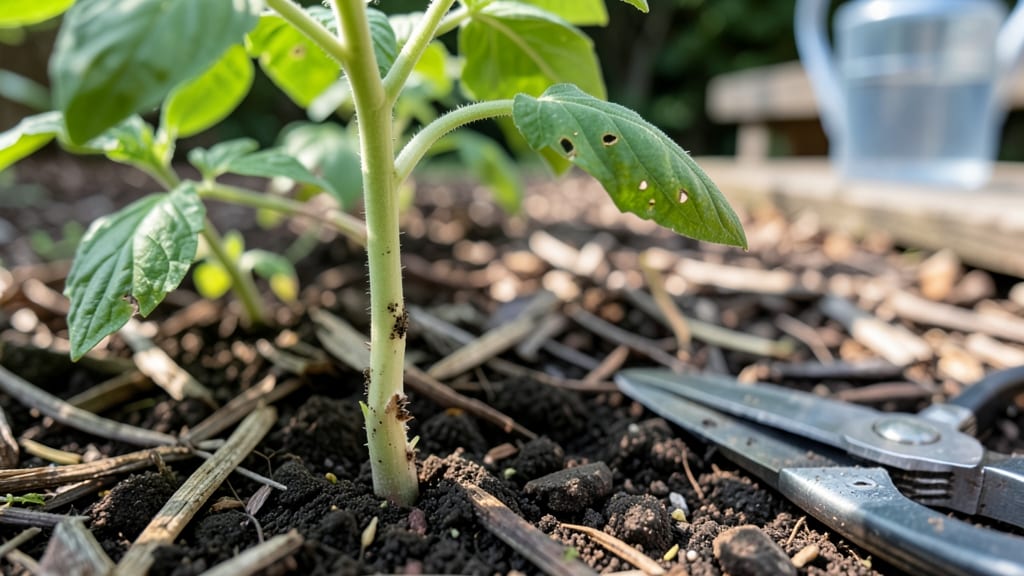
Your seedlings could vanish overnight from the damage caused by cutworms—literally. Cutworm damage turns a promising garden into a sad memory unless you act fast. These sneaky pests slice through stems at soil level, leaving healthy-looking plants that topple like felled trees. 🌱 The good news?
Simple barriers like cardboard collars or plastic bottle guards work better than chemicals. I’ve saved entire trays of seedlings using these methods, and they’re foolproof for beginners. The key is catching them early—before they turn your garden bed into a buffet.
You’ll spot damage as clean cuts at the base, often with frass (tiny black droppings) nearby. A quick sweep at dusk with a flashlight reveals the culprits, so you can trap or deter them before they multiply. Within days, your seedlings will stand tall again.
This works for tomatoes, peppers, and even delicate herbs. No pesticides needed—just smart prevention. Let’s get those plants protected.
Root Causes Of Seedling Loss
Understanding why cutworms target seedlings is the first step in stopping them. These nocturnal pests don’t just strike randomly—they’re drawn to specific conditions that make young plants irresistible. Below, we break down the key factors that turn your garden into a cutworm buffet.
Cutworms prefer seedlings because they’re easy prey.
Unlike mature plants with tough stems and protective bark, seedlings have: - Thin, delicate stems that snap under even light pressure. - High moisture content, making them juicy and nutritious. - Limited defenses—no thorns, toxins, or hardened tissue to deter them.
Why it matters: A single cutworm can sever a seedling at the soil line, causing it to wilt and die within hours. Since seedlings lack the energy reserves of older plants, they can’t recover from such damage.
Cutworms are nighttime hunters, and they’re most active when:
- Soil is damp (they thrive in moist conditions).
- Humidity is high (their bodies retain moisture better).
- Temperatures drop (they become sluggish in heat but voracious in cool evenings).
Why it matters: If your garden stays wet after rain or irrigation, cutworms will linger longer, increasing the chance of encountering seedlings. Overwatered soil also makes stems softer, making them easier to chew through.
Cutworms are opportunistic feeders, and they’re more likely to strike when:
- Large patches of the same crop are planted (e.g., a whole bed of lettuce or beans).
- Weeds and debris provide hiding spots and alternative food sources.
- No natural predators (like birds, toads, or parasitic wasps) are present due to pesticide use.
Why it matters: In a uniform planting, cutworms don’t have to search far for food. They’ll stay put and keep munching until the seedlings are gone. Diversity disrupts their feeding patterns, making your garden less appealing.
Cutworms love rich, organic soil because it:
- Holds moisture (their ideal environment).
- Contains decaying plant matter (a cutworm’s favorite snack).
- Lacks beneficial microbes that could deter pests naturally.
Why it matters: If your soil is nutrient-dense but lacks balance (e.g., too much compost without proper aeration), you’re essentially inviting cutworms to move in. Healthy soil with a mix of organic and mineral content is less hospitable to them.
Cutworms are seasonal pests, peaking when:
- Spring rains soften soil and boost plant growth (their favorite time).
- Cool nights slow plant growth, making seedlings more vulnerable.
- Early summer droughts force them to seek out moisture-rich seedlings.
Why it matters: Timing is everything. If you plant seedlings during peak cutworm season (late spring to early summer), you’re rolling out the red carpet for them. Adjusting planting schedules or using protective barriers can make a huge difference.
Quick Fixes for Chewed-Up Seedlings
Cutworms may seem like a tiny nightmare, but with the right strategies, you can stop the damage fast and protect your garden’s future. The key is acting early—whether you’re dealing with a sudden infestation or trying to prevent one.
Below, we break down cause-specific solutions so you can tackle the problem before it spreads.
Act now to save your plants!
👨🍳 Handpick & Dispose (Best for Small Gardens)
- When to use: Early morning (cutworms are sluggish and easy to spot).
- How to do it:
- Gently lift seedlings and check the soil surface for green or brown cutworms (they curl up when touched).
- Drop them into soapy water (1 tbsp dish soap per gallon) to kill them instantly.
- For large gardens, use a flashlight at night—cutworms are active then and glow slightly under UV light.
🥘 Collar Seedlings with Physical Barriers
- Why it works: Cutworms can’t climb smooth surfaces.
- How to do it:
- Cut cardboard tubes, toilet paper rolls, or plastic collars (3–4 inches tall).
- Wrap them around seedlings, burying 1 inch into the soil.
- Secure with twine or tape to prevent unraveling.
- Pro tip: 💡 Use aluminum foil for a reflective barrier—cutworms dislike the texture!
🔪 Use Organic Pesticides (For Heavy Infestations)
- Best options:
- Bacillus thuringiensis (Bt): A natural bacteria that kills cutworms when ingested. Safe for humans and pets!
- Spinosad: Derived from soil bacteria, effective but avoid spraying in direct sunlight (it degrades quickly).
- Neem oil: Acts as a repellent and growth disruptor—mix 1 tbsp neem oil + 1 tsp dish soap per quart of water, then spray evening and morning.
Stop them before they start!
🌱 Choose Resistant Plant Varieties
Some plants are less appealing to cutworms:
- Tomatoes (especially ‘Cherokee Purple’)
- Peppers (hot varieties like ‘Cayenne’)
- Onions & Garlic (strong scent deters them)
- Marigolds & Basil (plant near seedlings as natural repellents).
⏰ Time Your Planting Right
- Avoid late spring/early summer—this is peak cutworm season.
- Use floating row covers (lightweight fabric) over newly planted seedlings for 2–3 weeks until they’re sturdy.
🎯 Rotate Crops & Tillage
- Cutworms thrive in undisturbed soil. Till your garden deeply in fall or early spring to expose them to predators (birds, toads).
- Avoid planting the same crops in the same spot—cutworms remember!
🔥 DIY Traps to Monitor Infestations
- Grass or hay traps:
- Lay a small square of grass or hay near seedlings at dusk.
- Check in the morning—if you find cutworms clustered underneath, act fast!
For serious gardeners, combine these low-maintenance strategies:
- Encourage natural predators: Ladybugs, ground beetles, and birds love eating cutworms. Plant dill, fennel, or alyssum to attract them.
- Mulch strategically: Use straw or wood chips (not thick layers)—cutworms hide in deep mulch.
- Interplant with trap crops: Let lettuce or cabbage grow nearby—cutworms will go for these instead of your prized seedlings.
Remember: The sooner you act, the fewer casualties in your garden. Check seedlings daily for the first few weeks, and you’ll outsmart cutworms before they outsmart you! 🚜🌱
Frequently asked questions
What do cutworm-damaged seedlings look like?
Look for seedlings that appear healthy above ground but suddenly wilt or topple over—like they’ve been cut at the base. You’ll often see clean, jagged cuts just above the soil line, sometimes with tiny black droppings (frass) nearby. Check at dawn or dusk when these nocturnal pests are most active.
Can I save a seedling after cutworm damage?
Only if you catch it within 24 hours and the stem isn’t completely severed. Gently replant the seedling at a slight angle, firm the soil around it, and add a protective collar. Keep the soil moist but not soggy—this helps the stem heal faster. For severe damage, start fresh with a new seedling.
How do I know if cutworms are still in my garden after treating?
Set up a simple trap by placing a square of damp grass or hay near your seedlings at dusk. Check it in the morning—if you find cutworms curled up underneath, they’re still active. For a more thorough check, shine a flashlight on the soil at night; cutworms glow slightly under UV light.
Are there any chemical-free ways to deter cutworms long-term?
Yes! Plant marigolds, basil, or dill near seedlings—their strong scents repel cutworms naturally. You can also introduce beneficial nematodes (like Heterorhabditis bacteriophora) to your soil—they hunt cutworms without harming plants. Just apply them in the evening when the soil is moist.
Why do cutworms seem worse some years than others?
Cutworm populations explode during wet springs or after mild winters—these conditions give their eggs and larvae ideal growing conditions. Overwatered gardens or heavy mulch also create the moist, sheltered environment they love. Rotate crops and till your soil in fall to disrupt their life cycle and reduce next year’s infestation.