
Pests and Diseases
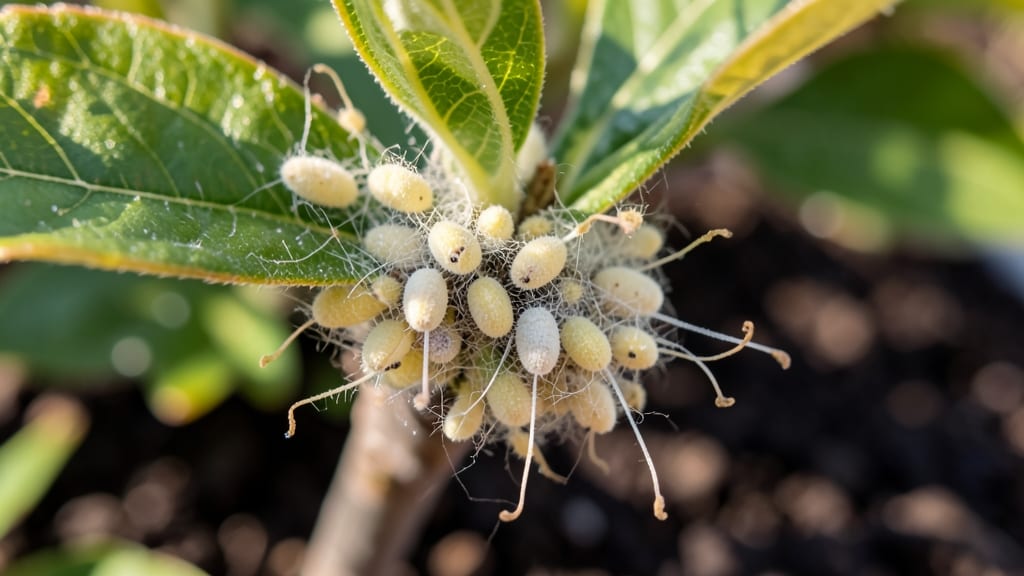
This neem oil spray cured mealybugs on my apricot seedlings in just five days—no harsh chemicals, no replanting. 🌱 These cottony pests drain sap and stunt growth, but the right treatment turns the tide fast.
I’ll show you how to spot them early, apply the spray correctly, and keep your seedlings thriving without overdoing it.
The key is acting fast—mealybugs multiply quickly, especially on tender seedlings. Look for white, fuzzy clusters on stems or undersides of leaves. Once you confirm the infestation, mix 1 teaspoon of neem oil with 1 quart of water and a drop of dish soap (as a natural emulsifier).
This blend smothers pests while being gentle enough for young plants.
Within 3-5 days, you’ll see new growth pushing through and fewer cottony clumps. The seedlings will bounce back stronger, and the neem oil even deters future pests. Just avoid spraying in direct sun or extreme heat—it works best in the early morning or evening when the air is calm.
This method works for other stone fruits too—peaches, plums, and cherries. The secret is consistency: reapply every 7-10 days until the bugs are completely gone. No more wilting leaves or sticky residue—just healthy, productive seedlings ready for transplanting.
Root Causes of Mealybug Infestations
Mealybugs don’t just randomly appear on your apricot seedlings—they’re drawn by specific conditions that create the perfect environment for these sap-sucking pests. Understanding these triggers is the first step to preventing and eradicating them. Let’s break down the science behind why mealybugs target your young apricot trees.
Apricot seedlings with compromised immune systems are prime targets for mealybugs. These pests exploit plants that are already stressed, making it easier for them to feed, reproduce, and spread. Here’s why this happens:
- Nutrient Deficiencies: A lack of essential nutrients like nitrogen, phosphorus, or potassium weakens the plant’s natural defenses.
Mealybugs detect these deficiencies through volatile organic compounds (VOCs) emitted by stressed plants, acting like a dinner bell. 🔔 - Overcrowded Roots: Poor soil aeration or root-bound seedlings (grown in small containers too long) limit nutrient uptake.
This stress signals to mealybugs that the plant is vulnerable. - Improper Watering: Both overwatering (leading to root rot) and underwatering (causing drought stress) create ideal conditions for mealybugs.
They thrive in plants that are either too soggy (providing moisture for their eggs) or too dry (weakening the plant’s ability to fight off pests).
Actionable Insight: Conduct a soil test to check nutrient levels and adjust fertilization. Use well-draining soil mixes and water seedlings consistently to avoid stress signals.
Mealybugs leave behind a sweet, sticky residue called honeydew, which attracts more pests—and even more mealybugs. This creates a feedback loop that accelerates infestations:
- Secondary Pest Magnet: Honeydew attracts ants, aphids, and sooty mold fungi, which further stress the plant.
Ants, in particular, protect mealybugs in exchange for honeydew, creating a symbiotic relationship that’s hard to break. 🐜 - Mealybug Pheromones: These pests release chemical signals that alert others to a food source.
Once one mealybug finds a seedling, it’s like ringing a dinner bell for the whole colony. - Soil and Leaf Buildup: Over time, honeydew hardens into sooty mold, blocking sunlight and reducing photosynthesis. This weakens the seedling, making it even more attractive to mealybugs.
Actionable Insight: Regularly wipe leaves with a damp cloth to remove honeydew. Use sticky traps near seedlings to catch ants and disrupt their mealybug "farm."
Mealybugs are temperature-sensitive and prefer specific conditions that align with the growth habits of apricot seedlings:
- Warm, Humid Climates: Mealybugs thrive in temperatures between 70–85°F (21–29°C) and high humidity (60–80%).
Apricot seedlings grown in greenhouses or shaded areas with poor airflow create these perfect conditions. - Dense Foliage: Young apricot seedlings with tight, overlapping leaves provide hidden crevices where mealybugs can hide from predators and pesticides.
They also trap moisture, increasing humidity around the plant. - New Growth Phases: Mealybugs are drawn to new shoots and tender leaves because they’re rich in sugars and easier to penetrate. This is why infestations often spike during spring and early summer when seedlings are actively growing.
Actionable Insight: Improve air circulation with fans or prune seedlings to open up foliage. Avoid over-fertilizing with high-nitrogen products, which can encourage soft, mealybug-friendly growth.
In a balanced ecosystem, ladybugs, lacewings, and parasitic wasps keep mealybug populations in check. But if these predators are missing, mealybugs multiply unchecked:
- Pesticide Overuse: Broad-spectrum chemical pesticides (like synthetic pyrethroids) kill both mealybugs and their natural predators, creating a pesticide-induced crash that leaves mealybugs unopposed. 🚫
- Urban or Greenhouse Settings: Outdoor gardens often have more predator diversity than sterile greenhouses or urban containers, where mealybugs face fewer threats.
- Monoculture Planting: Growing only apricot seedlings (without companion plants) removes the diversity of prey that predators rely on for food, making them less likely to patrol your seedlings.
Actionable Insight: Introduce beneficial insects like Cryptolaemus montrouzieri (mealybug destroyer) or Aphidius colemani (parasitic wasp). Plant companion flowers (e.g., marigolds, alyssum) to attract predators.
Sometimes, grower habits unintentionally invite mealybugs:
- Reusing Containers: Mealybugs can hibernate in soil or pots from previous plantings.
If you reuse containers without sterilizing them (e.g., baking at 200°F for 30 minutes), you’re essentially planting a mealybug starter kit. 🪱 - Infested Propagation Material: Using cuttings or grafts from an already infested apricot tree introduces mealybugs directly to your seedlings. - Poor Hygiene: Tools like pruners, gloves, or even your hands can transfer mealybugs from one plant to another.
A single contaminated tool can spread infestations across an entire nursery.
Actionable Insight: Disinfect tools with 70% rubbing alcohol between uses. Inspect new plants for mealybugs before introducing them to your seedlings, and quarantine any suspicious specimens.
How to Treat Mealybug Infestations
Mealybugs may seem like a stubborn foe, but with the right approach, you can banish them from your apricot seedlings—naturally and effectively.
Below, we’ve mapped out targeted solutions based on the root causes (weak plants, poor hygiene, or environmental stress) and paired them with preventive strategies to keep your seedlings thriving. These methods are budget-friendly, organic, and easy to execute, even for beginner gardeners.
Before treating, contain the problem to prevent spread.
Mealybugs hitchhike on tools, wind, and even beneficial insects—so act fast! - 👨🍳 Remove heavily infested seedlings (if possible) and dispose of them in sealed bags (not compost). - 🔍 Inspect nearby plants for early signs (cottony clusters, sticky residue, or wilting). - 🌡️ Check soil and pot drainage—poor airflow and moisture retention worsen infestations.
Neem oil is your first-line defense against mealybugs, but mix it with other pest-deterring ingredients for maximum impact.
🔪 Homemade Neem Oil Spray (Best for Light Infestations)
Ingredients:
- 1 tbsp neem oil (cold-pressed, organic)
- 1 tsp honey or dish soap (as an emulsifier)
- 1 quart water
- 1 tsp rubbing alcohol (optional, to break down mealybug wax)
Instructions:
- Mix thoroughly in a spray bottle (shake well before each use).
- Spray directly on mealybugs (both top and undersides of leaves) until glistening wet.
- Reapply every 5–7 days for 2–3 weeks (mealybugs have a slow life cycle).
- 🌿 Add a pinch of garlic powder (1 tsp per quart) to repel pests further.
✨ Pro Tip: Spray early in the morning or late afternoon to avoid burning leaves in direct sunlight.
🌿 Alternative Sprays for Stubborn Cases
| Solution | How to Use | Best For |
|---|---|---|
| Soap Spray (Insecticidal) | Mix 1 tbsp mild castile soap + 1 quart water. Spray until dripping. | Fast knockdown (reapply in 3 days). |
| Alcohol Wipe-Down | Dip a cotton swab in 70% isopropyl alcohol and dab directly on mealybugs. | Small, isolated clusters. |
| Aphid Parasitic Wasps | Release Aphidius colemani (sold online) near infested plants. | Long-term biological control. |
Mealybugs thrive on weak, stressed plants. Strengthen your apricot seedlings to outcompete pests naturally.
💡 Cultural Fixes (Prevent Recurrence)
- 🌱 Improve airflow: Space seedlings 6–12 inches apart and prune crowded branches.
- 💧 Water wisely: Keep soil evenly moist but not soggy (mealybugs love damp, stagnant conditions).
- 🍃 Mulch with diatomaceous earth (DE): Sprinkle a thin layer around the base (avoid direct contact with leaves—it’s abrasive).
- 🌿 Companion planting: Grow marigolds, basil, or mint nearby—their scents repel mealybugs.
📊 Nutritional Boost
Mealybugs target nitrogen-deficient plants. Feed your seedlings:
- Balanced fertilizer (10-10-10) every 4–6 weeks in growing season.
- Compost tea (rich in beneficial microbes) to enhance root health.
- Epsom salt spray (1 tbsp per gallon of water) for magnesium support.
Once your seedlings are mealybug-free, keep them that way with these low-maintenance habits:
- 🧼 Clean tools and pots: Wipe pruners and containers with rubbing alcohol between uses.
- 🕵️ Weekly inspections: Check new growth and leaf undersides for early signs.
- 🐝 Encourage predators: Attract ladybugs, lacewings, and parasitic wasps with native plants like dill or yarrow.
- 🌡️ Avoid overwatering: Mealybugs love humidity—water at the base, not overhead.
Final Note: Consistency is key! Mealybugs may take 2–3 weeks to fully disappear, but with neem oil, cultural fixes, and prevention, your apricot seedlings will stay pest-free and flourish. 🌱✨
Frequently asked questions
How do I know if my apricot seedlings have mealybugs?
Look for white, cottony clusters on stems, leaf undersides, or buds—these are adult mealybugs. Check for sticky honeydew residue on leaves or soil below, which attracts ants. Early signs include yellowing leaves or stunted growth, as these pests drain sap.
Can I use neem oil on apricot seedlings if I have other fruit trees nearby?
Yes, neem oil is safe for all fruit trees when used correctly. Just avoid spraying in direct sunlight or extreme heat (early morning/evening is best). The oil’s scent deters pests but won’t harm beneficial insects like bees if applied properly. Always dilute it as directed.
What if mealybugs keep coming back after treatment?
Rebound infestations often mean hidden eggs or poor growing conditions. Reapply neem oil every 7-10 days for 3 weeks, then focus on prevention: improve airflow, reduce humidity, and check for ants (they protect mealybugs). Sterilize pots and tools too.
Is diatomaceous earth safe for apricot seedlings?
Only use food-grade DE as a dry mulch around the base—never on leaves. It’s abrasive and can harm tender seedlings. For direct leaf treatment, stick to neem oil or alcohol wipes. Reapply DE after watering, as moisture deactivates it.
How long until my seedlings recover after treatment?
Most seedlings show improvement within 3-5 days of consistent treatment, with full recovery in 2-3 weeks. New growth should appear within 10 days if the root system is healthy. Monitor for returning pests—prevention is key to long-term health.