
Vegetables
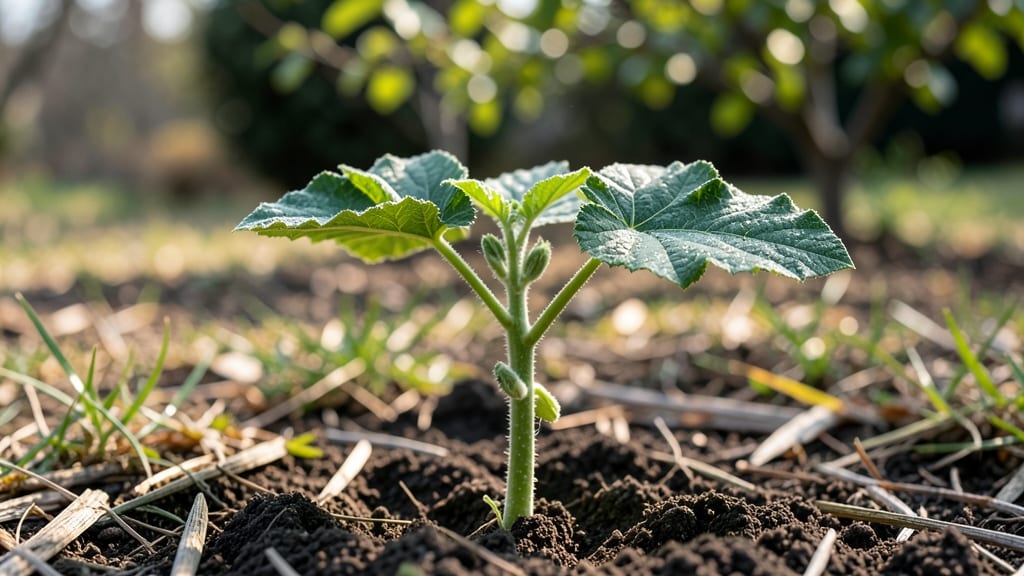
Those first tiny cucumber seed leaves are your secret to saving high-quality seeds. 🌱 They’re delicate but packed with everything you need to grow vigorous plants—if you know how to spot them and care for them properly.
The key is patience: don’t rush to transplant seedlings until those seed leaves turn into true leaves (the larger, more defined ones that follow). Keep them in bright, indirect light, water gently at the soil line, and watch for yellowing—a sign of overwatering or weak seedlings.
Once you master this stage, you’ll harvest seeds from plants that thrive year after year. The right conditions turn those fragile starts into robust vines with abundant fruit—and seeds worth saving.
📚 In This Guide
- What you need
- Instructions
- Tips and common mistakes
- Wrapping up and next steps
What you need
- ● Mature cucumber plants: Choose heirloom or open-pollinated varieties (avoid hybrid seeds like 'Straight Eight' if saving seeds for future growth). Aim for 3-5 healthy plants to ensure genetic diversity.
- ● Cucumber fruits: Select 3-5 fully ripe cucumbers (yellow, brown, or white skin, depending on the variety) from the same plant or cross-pollinated plants for hybrid seeds.
- ● Scissors or pruning shears: A sharp pair to harvest leaves and fruits cleanly without damaging the plant.
- ● Paper towels or clean cloth: For drying and cleaning seeds (use unbleached or seed-saving-friendly options).
- ● Small bowls or containers: 2-3 shallow dishes (e.g., ceramic or glass) for fermenting and rinsing seeds.
- ● Fine-mesh strainer or sieve: A stainless steel or plastic sieve (with holes smaller than 1mm) to separate seeds from pulp.
- ● Paper envelopes or seed packets: 5-10 breathable envelopes (e.g., blank">AeroSeed or blank">manila paper) to store seeds in a cool, dry place.
- ● Permanent marker: For labeling seeds with variety name, date, and location.
- ● Spray bottle with water: To rinse seeds gently during cleaning.
- ● Hand lens or magnifying glass: For inspecting seeds for purity and viability.
- ● Small fan or dehumidifier: To speed up seed drying in humid climates.
- ● Seed storage jars: Airtight containers (like mason jars) for long-term storage (5+ years).
- ● Notebook or garden journal: To track plant performance, pollination notes, and seed yields.
- ● Gloves (nitrile or latex): For handling wet or fermenting seeds without irritation.
- ● Time: Dedicate 1-2 hours for harvesting, fermenting, and drying seeds (plus 1-2 weeks for full drying).
- ● Weather: Harvest cucumbers on a dry, sunny day to minimize mold risk.
- ● Space: A clean, well-ventilated area (indoors or outdoors) for seed processing.
- ● Patience: Seeds take 7-14 days to ferment and dry properly—don’t rush!
How to harvest cucumber seed leaves for successful seed saving
Here's the simple method I use every year to collect healthy cucumber seed leaves—no fuss, no wasted plants.
🌱 Step 1: Choose the Healthiest Cucumber Plants
Select plants that are thriving with no signs of disease or pest damage. Look for vines with 3-5 mature fruits and dark green, glossy leaves. Avoid plants showing yellowing, spots, or wilting—they'll pass on weak traits to next year's seeds.
I always pick the second or third fruit from the main vine—these tend to be the most vigorous. The seed leaves from these fruits will produce the strongest seedlings. Harvest on a dry, sunny morning when the plants are fully hydrated.
✂️ Step 2: Harvest Mature Cucumbers for Seed Collection
Cut the cucumbers from the vine using clean pruning shears when they're 6-8 inches long and fully colored. Avoid harvesting when fruits are still growing—they won't contain fully developed seeds. Place them in a paper bag to prevent moisture buildup.
Don't wash the cucumbers before processing. The gel-like pulp contains the seeds and needs to ferment naturally. I like to label each bag with the cucumber variety and harvest date—this helps track which seeds perform best each season.
🌿 Step 3: Prepare and Dry the Seed Leaves
After scooping out the seeds, rinse the cucumber flesh and seed pulp under cool water to remove excess fruit. Spread the mixture on a clean, shallow tray and let it ferment in a warm spot (75-80°F) for 3-5 days. You'll know it's ready when the pulp smells slightly sour and the seeds sink to the bottom.
Once fermented, rinse the seeds again to remove the slimy coating, then spread them on a paper towel in a single layer. Place them in a well-ventilated area out of direct sunlight for 1-2 weeks to dry completely. The seeds are ready when they're hard and rattling inside the pod.
🪴 Step 4: Store Seeds Properly for Next Year
Transfer the dried seeds into paper envelopes (plastic traps moisture) and label with the variety name, harvest year, and any special notes like disease resistance. Store them in a cool, dark place (around 50-60°F) where they'll remain viable for 3-5 years.
I always test a few seeds the following spring to confirm viability. If they germinate within 7-10 days, I know the rest of the batch is good to go. Keep an eye out for any mold or musty smells—those indicate improper drying or storage.
Tips & tricks for perfect cucumber seed saving
Here's what nobody tells you about harvesting cucumber seed leaves that actually works—no wasted plants or weak seeds.
Harvest Timing: The dry, sunny morning timing in Step 1 is crucial because fully hydrated plants yield the most vigorous seeds. I've learned this the hard way after harvesting on damp mornings—those seeds often fail to germinate. If you miss the morning, wait until afternoon when plants have fully dried from dew.
Fermentation Check: During the 3-5 day fermentation in Step 3, the pulp should smell tangy but not rotten. If it smells strongly sour or has gray mold, rinse the seeds immediately and spread them to dry faster. The seeds are ready when they sink to the bottom of the water—this means the slimy coating has broken down, which is essential for proper germination.
Drying Strategy: For the 1-2 week drying period, I use a mesh screen instead of paper towels because it allows better airflow. Place the screen over a box fan on low setting—this creates gentle airflow that speeds up drying without damaging the seeds. Avoid direct sunlight, which can cause the seeds to overheat and lose viability.
Storage Wisdom: The cool, dark place recommendation in Step 4 is non-negotiable. I store my seed envelopes in a sealed tin box with a few silica gel packets to absorb any residual moisture. Test germination every 2-3 years by planting a few seeds—if germination drops below 80%, it's time to harvest fresh seeds.
Pro Tips for Cucumber Seed Leaves
- Here's what nobody tells you about harvesting cucumber seed leaves that actually works—no wasted plants or weak seeds.
- Harvest Timing: The dry, sunny morning timing in Step 1 is crucial because fully hydrated plants yield the most vigorous seeds.
- Fermentation Check: During the 3-5 day fermentation in Step 3, the pulp should smell tangy but not rotten.
Frequently asked questions
Got questions about harvesting cucumber seed leaves or saving seeds?
You’re not alone! Here are some of the most common queries—plus clear, stress-free answers to keep your garden thriving.
When is the best time to harvest cucumber seed leaves for seed saving?
Harvest cucumber seed leaves (and the fruit!) when the cucumbers are fully mature—typically overripe (soft, yellowed, or wrinkled skin) and past their prime for eating. This ensures seeds are fully developed and viable. Aim for 30–50 days after flowering, depending on your variety. Pro tip: Wait until seeds sink in water to confirm readiness!
Can I use cucumber seed leaves (or any part of the plant) for eating after harvesting seeds?
While cucumber seed leaves are technically edible (young, tender leaves are mild and slightly bitter), they’re not typically used for culinary purposes. Focus on harvesting healthy, disease-free leaves from non-seed-saving plants for salads or stir-fries. Always wash thoroughly! Warning: Avoid leaves from plants treated with pesticides.
How long do cucumber seeds stay viable after harvesting?
Freshly harvested cucumber seeds remain viable for 4–5 years if stored properly in a cool, dry place (like a sealed container in the fridge or freezer). For best results, ferment the seeds (see our guide!) before drying to boost germination rates. Pro tip: Label seeds with the harvest year and variety to track freshness!
What if my cucumber seed leaves develop mold or rot before I can harvest?
Mold or rot on seed leaves (or fruit) usually means overripe conditions or fungal issues. If this happens, discard the affected parts immediately to prevent spreading. For future harvests, pick cucumbers earlier (when firm but mature) and store them in a cool, dry place (like a paper bag in the fridge) to slow decay. Preventative tip: Space plants well for airflow and avoid overhead watering!
Are there alternatives to using cucumber seed leaves for seed saving?
If seed leaves are damaged or you’re short on time, harvest the entire cucumber fruit (even if overripe) and scoop out the seeds directly. Just ensure the fruit is fully mature (seeds should be plump and firm). For hybrid varieties, seed-saving may not yield true-to-type plants—stick to heirloom cucumbers for reliable results. Bonus: Save seeds from 3–5 plants per variety for genetic diversity!
Wrapping up and next steps
Saving cucumber seeds from your own plants is a rewarding way to ensure heirloom quality and sustainability! By harvesting cucumber seed leaves at the right time and following proper drying techniques, you’ll preserve genetic integrity while reducing waste.
Whether you’re a seasoned gardener or just starting out, this simple method empowers you to grow your own seeds year after year.
Ready to dive in? Start with just one cucumber plant this season—experiment, refine your process, and soon you’ll be sharing your homegrown seeds with fellow gardeners! 🌱