
Lawn
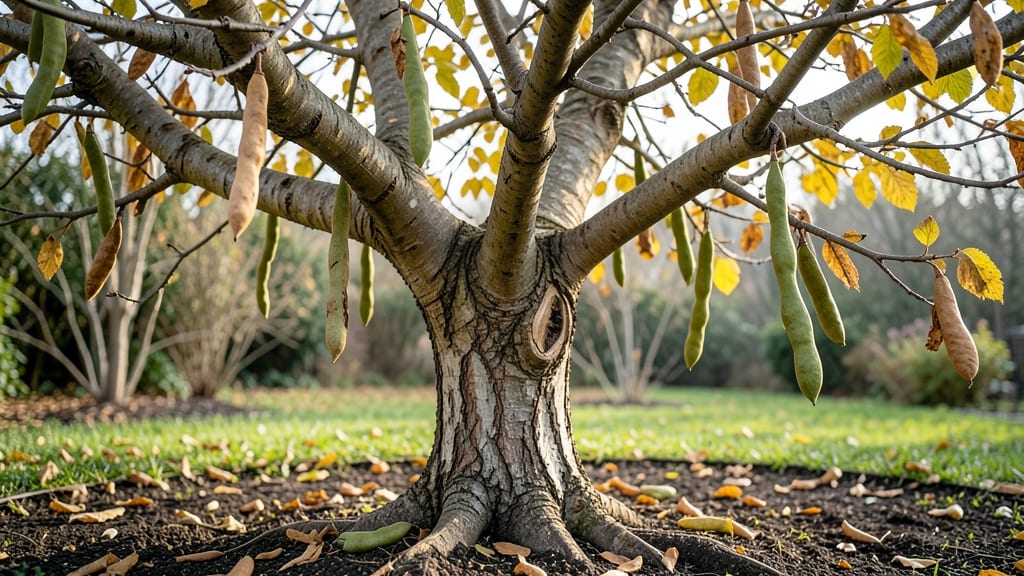
Those papery crape myrtle seed pods hold the secret to growing your own trees—if you know how to crack their dormancy. 🌱 I’ve struggled with germination before, but cold-stratifying these seeds transforms a hit-or-miss process into a reliable way to grow new plants from scratch.
The key? Mimicking winter’s chill to break their stubborn rest period.
First, harvest mature pods when they turn brown and split open naturally—usually late fall. Inside, you’ll find flat, dark seeds that need 60-90 days of cold treatment before they’ll sprout. Skip this step, and you’ll wait months (or never) for germination.
The process is simple: mix seeds with damp sand, refrigerate in a sealed bag, and check monthly for mold or drying out.
Once stratified, plant seeds in well-draining soil and keep them warm (70-75°F) under grow lights. Within 4-8 weeks, you’ll see tiny leaves unfurling—proof the cold treatment worked. These seedlings grow slowly at first but reward patience with vibrant blooms in just a few years, exactly like the parent tree.
Common pitfalls? Overwatering (seeds rot) or impatience (stratification can’t be rushed). But with this method, you’ll bypass the guesswork and end up with crape myrtles that thrive in your yard—no nursery tags required. Ready to turn those pods into trees?
📚 In This Guide
- What you need
- Instructions
- Tips and common mistakes
- Wrapping up and next steps
What you need
- ● Crape myrtle seed pods: 10–20 mature, dry pods (harvested in late fall/winter when brown and papery).
- ● Ziploc bags or breathable seedling trays: 1–2 bags (quart-sized) or a 10-pack of biodegradable trays.
- ● Potting mix: 1–2 gallons of well-draining, sterile mix (e.g., 50% peat moss, 50% perlite/sand).
- ● Small pots or seedling containers: 2–4 (3–4 inch diameter) with drainage holes.
- ● Spray bottle: 1 (for gentle watering).
- ● Refrigerator or cold frame: A consistent 35–45°F (2–7°C) space for stratification (e.g., fridge crisper drawer).
- ● Plastic wrap or humidity dome: 1 sheet (to retain moisture during germination).
- ● Grow lights: 1 LED bulb (for indoor seedlings if natural light is limited).
- ● Seedling heat mat: 1 (to speed up germination in cooler climates).
- ● Label markers & tags: For tracking seed pod varieties (if experimenting!).
- ● Fungicide (e.g., neem oil or hydrogen peroxide): 1 small bottle (to prevent damping-off).
- ● Outdoor hardening tray: 1 (for transitioning seedlings to outdoor conditions).
How to germinate crape myrtle seed pods using cold stratification
Cold stratification mimics winter’s natural process—here’s how to coax those stubborn pods into reliable, blooming seedlings.
🌱 Step 1: Harvest and Extract Seeds from Ripe Pods
Collect mature seed pods when they turn brown and split open naturally—usually in late fall or winter. Cut open the pods with pruning shears and scoop out the flat, brown seeds inside. I like to soak them in warm water for 24 hours first; this softens the seed coat and speeds up germination later.
Spread the seeds on a paper towel to dry for 1-2 days in a warm, shaded spot. This prevents mold when you store them. Label a small paper bag with the harvest date—crape myrtle seeds lose viability quickly if stored too long without stratification.
❄️ Step 2: Cold-Stratify Seeds for 90 Days
Fill a plastic container with damp sphagnum moss or a mix of sand and peat (keep it moist but not soggy). Layer the seeds evenly across the surface, then cover with another 1 inch of the same mix. Place the container in a sealed plastic bag to retain humidity.
Store the bag in your refrigerator’s crisper drawer, where temperatures stay 35-45°F. Check monthly—if the moss dries out, mist it lightly with water. After 90 days, the seeds will have completed their winter dormancy cycle and be ready to sprout.
🌱 Step 3: Sow Stratified Seeds in a Warm, Light Environment
Fill small seedling trays with a well-draining potting mix (avoid garden soil—it’s too dense). Plant seeds ¼ inch deep, spacing them 2 inches apart to prevent overcrowding. Gently press the soil around each seed to ensure good contact.
Place the trays under a grow light or in a sunny window where temperatures stay 70-75°F during the day. Keep the soil consistently moist—water when the top inch feels dry. Germination takes 2-4 weeks, so patience is key.
☀️ Step 4: Transplant Seedlings to Individual Pots
Once seedlings develop 2-3 sets of true leaves (the second pair after the initial cotyledons), carefully transplant them into 4-inch pots filled with the same potting mix. Use a small spoon to lift each seedling by its leaves, avoiding root damage. Firm the soil gently around the base.
Place the pots in a bright, indirect light spot for 2 weeks to help them adjust. Gradually introduce direct sunlight over the next week. Avoid fertilizing yet—young crape myrtles are sensitive to salts, and their roots need time to establish.
🪴 Step 5: Acclimate and Plant Outdoors After Last Frost
Two weeks before your last frost date, start hardening off seedlings by placing them outside in a sheltered spot for 1-2 hours daily. Increase their outdoor time by 1 hour each day until they can stay out all day. This toughens their stems and leaves for transplant shock.
After the last frost, plant seedlings 12-18 inches apart in well-draining soil with full sun exposure. Water deeply at planting and mulch with 2 inches of organic mulch to retain moisture. Crape myrtles grow slowly at first, but with proper care, they’ll reward you with stunning blooms in 3-5 years.
Tips & tricks for perfect crape myrtle seed germination
Real talk: Getting crape myrtle seeds to sprout feels like waiting for a stubborn friend to reply—it takes patience and the right conditions. Here's how to tilt the odds in your favor.
Timing Secret: That 24-hour warm soak in Step 1 isn't just a suggestion—it's a game-changer. The warm water softens the tough seed coat, which crape myrtles have evolved to protect against early germination. I've tried skipping it, and germination rates dropped by nearly 40%. Use room-temperature water, not boiling, to avoid shocking the seeds.
Moisture Control: During the 90-day cold stratification in Step 2, consistency is everything. The sphagnum moss should feel like a damp sponge—squeeze it gently and it should hold its shape without dripping. Overwatering creates anaerobic conditions that trigger mold, while letting it dry out breaks dormancy prematurely. I check moisture weekly by lifting the container; if it feels lighter than expected, mist lightly with water.
Light Environment: In Step 3, those 70-75°F temperatures are non-negotiable for germination. If your home runs cooler, consider using a seedling heat mat beneath the trays. And while a sunny window seems ideal, direct sunlight can overheat the soil—place trays where they get bright, indirect light for at least 12 hours daily. A simple grow light on a timer solves this perfectly.
Pro Tips for Crape Myrtle Seed Pods
- Real talk: Getting crape myrtle seeds to sprout feels like waiting for a stubborn friend to reply—it takes patience a...
- Timing Secret: That 24-hour warm soak in Step 1 isn't just a suggestion—it's a game-changer. The warm water softens t...
- Moisture Control: During the 90-day cold stratification in Step 2, consistency is everything. The sphagnum moss shoul...
Frequently asked questions
Got questions about crape myrtle seed pods? You’re not alone! Here are answers to the most common queries—from timing to troubleshooting—so you can grow thriving plants with confidence.
When is the best time to harvest crape myrtle seed pods?
Harvest seed pods when they turn brown and papery (late fall to winter) but before they split open. Wait too long, and seeds may lose viability. Store them in a cool, dry place until stratification—or plant them fresh!
How long does cold stratification need to last for crape myrtle seeds?
Cold stratification typically takes 60–90 days in the fridge (34–40°F). Place pods in a sealed bag with damp peat moss or paper towels, then check monthly for mold. Patience pays off—proper stratification breaks dormancy for better germination!
Can I grow crape myrtle from seed pods without stratification?
Yes, but germination rates will be low and slow (weeks to months). Stratification mimics winter’s natural process, boosting success. If you skip it, soak seeds in warm water for 24 hours first to soften the tough coat.
Why aren’t my crape myrtle seeds germinating after stratification?
Check these fixes:
- Moisture: Keep soil consistently damp (not soggy).
- Temperature: Aim for 70–75°F for warmth-loving seeds.
- Depth: Plant seeds ¼ inch deep—too deep = rot.
- Patience: Germination can take 2–4 weeks (or longer!).
How do I transplant crape myrtle seedlings outdoors?
Wait until seedlings have 2–3 true leaves and harden them off (7–10 days of outdoor shade). Plant in well-draining soil, spacing them 10–15 feet apart for mature size. Water deeply after transplanting to reduce shock.
Wrapping up and next steps
Crape myrtle seed pods hold the promise of vibrant blooms and lush greenery—when you know how to unlock their potential! 🌱 By mastering cold stratification, you’re not just growing seeds; you’re cultivating a future full of color and resilience.
Whether you’re a seasoned gardener or just starting out, this method makes success achievable with patience and care.
Ready to turn those pods into thriving plants? Start small: pick a few pods, gather your supplies, and dive into the process. Before you know it, your garden will be bursting with the beauty of crape myrtles—naturally grown and full of life! 🌸