
Lawn
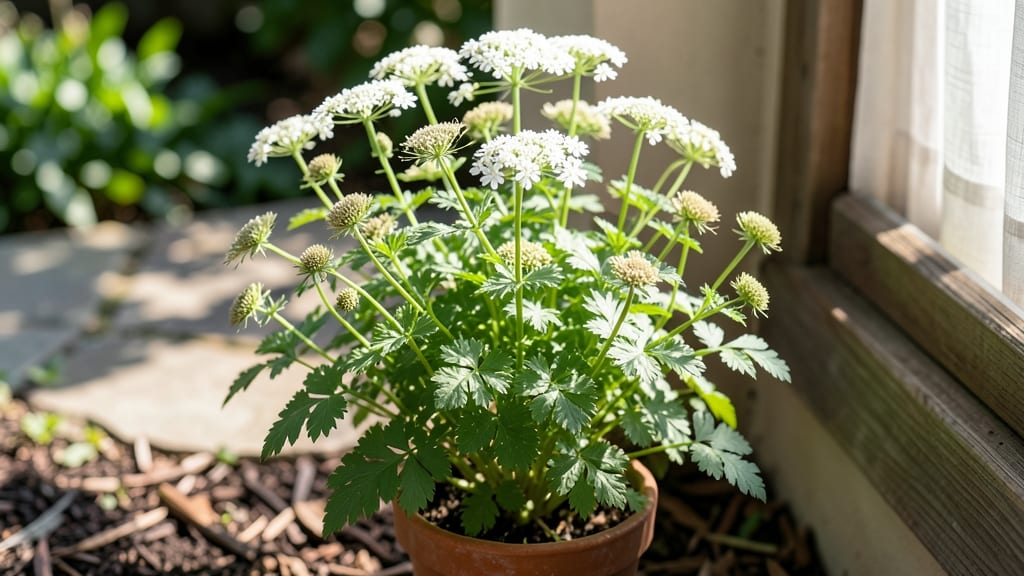
Growing coriander from seed to harvest in just 60 days feels like a culinary superpower. 🌱 I learned the hard way that cilantro and coriander seeds come from the same plant, but their growing needs are very different—and mastering both gives you fresh leaves and spice for every dish.
The secret starts with soil: loose, well-draining mix with 50% compost prevents bolting (that bitter taste you hate). Plant seeds ¼ inch deep, 2 inches apart, and keep them moist—germination takes 7-14 days, and patience here separates winners from frustrated gardeners.
By day 30, you’ll snip fresh cilantro for tacos, then let some plants flower for coriander seeds. The flowers attract pollinators, and when dried, those seeds become the spice you buy in jars. It’s the same plant, just two different harvests from the same plot.
Works in containers or garden beds, even in partial shade. Here’s how to keep both parts thriving side by side—no more store-bought cilantro or expensive coriander seeds again.
📚 In This Guide
- What you need
- Instructions
- Tips and common mistakes
- Wrapping up and next steps
What you need
- ● Coriander seeds (cilantro seeds) – 1–2 packets (about 1–2 tbsp per plant). Choose organic seeds for best results.
- ● Growing containers or garden bed – 6-inch-deep pots (for containers) or well-draining soil (for in-ground planting).
- ● Potting mix or garden soil – Light, well-draining mix (add perlite or sand if needed).
- ● Watering can or spray bottle – For gentle, consistent moisture.
- ○ Fertilizer (optional but helpful) – Balanced organic fertilizer (5-10-5 ratio) or compost.
- ● Trowel or small hand shovel – For planting seeds.
- ○ Glove (optional) – To protect hands from soil or seed residue.
- ● Sunlight access – 6+ hours of direct sunlight daily (or grow lights for indoors).
- ○ Mulch (optional) – Straw or shredded leaves to retain moisture.
- ○ Pruning shears (optional) – For harvesting leaves or stems.
Step-by-Step instructions for growing coriander and cilantro together
Here’s how to coax both cilantro and coriander seeds into thriving plants—using the same space, same effort, and just a little patience.
🌱 Step 1: Prepare the Soil and Plant Seeds Directly
Coriander and cilantro both dislike transplanting, so sow seeds directly in well-drained soil. Work in a location with partial shade to full sun—they’ll bolt (go to seed) faster in scorching heat. Loosen the top 6 inches of soil and mix in 1 cup of compost per 4 square feet to enrich it without overwhelming the seeds.
Scatter seeds ¼ inch deep, spacing them 12-18 inches apart in rows 18 inches apart to prevent overcrowding. I tap the seeds gently into the soil with my fingers—pressing too hard will bury them too deep, delaying germination. Water lightly with a fine spray until the soil surface is damp but not soggy.
💧 Step 2: Maintain Even Moisture and Watch for Germination
Keep the soil consistently moist but never waterlogged—coriander seeds rot if they sit in damp conditions. Water at the base of plants in the morning so leaves dry quickly, reducing fungal risks. You’ll see tiny sprouts in 7-14 days, but don’t be alarmed if germination is spotty; coriander seeds often sprout unevenly.
Once seedlings reach 2 inches tall, thin them to 6-8 inches apart to give roots room to grow. Snip the extras at soil level with scissors—pulling risks disturbing nearby plants. This is also when you’ll notice cilantro’s feathery leaves emerging first, while coriander’s slower to show its true form.
☀️ Step 3: Manage Light and Prevent Bolting
Coriander and cilantro bolt (send up flower stalks) when stressed by heat or drought. To delay this, provide afternoon shade during hot spells and water deeply every 2-3 days when the top inch of soil feels dry. You’ll know you’re on track when both plants develop 6-8 inches of foliage before flowering.
Harvest cilantro leaves as soon as they reach 3-4 inches tall—this encourages bushier growth and prevents bolting. For coriander, let the plants mature fully; you’ll recognize ripe seeds when the seed heads turn brown and dry. Cut the entire plant at the base when seeds are ready, then dry them in a warm, dry place for 1-2 weeks before grinding.
✂️ Step 4: Harvest and Store for Long-Term Use
For cilantro, pinch off outer stems just above a leaf pair to encourage new growth. Harvest in the morning when oils are most concentrated. Rinse leaves gently, pat dry, and store in a sealed container in the fridge for up to 1 week or freeze for longer storage.
For coriander seeds, once dried, rub the seed heads between your hands or use a fork to loosen seeds. Sift to remove debris, then store seeds in an airtight container in a cool, dark place for up to 2 years. The key here is patience—rushing the drying process weakens flavor and reduces shelf life.
Tips & tricks for growing coriander and cilantro together
Real talk: These two plants are finicky, but with a few insider tricks, you'll get the best of both worlds.
Soil Prep Secret: In Step 1, when you're mixing in 1 cup of compost per 4 square feet, add a handful of coarse sand to improve drainage—especially if your soil tends to stay damp. Coriander seeds rot if they sit in soggy conditions, and this small tweak prevents that. I also like to sprinkle a thin layer of mulch after planting to retain moisture without smothering the seeds.
Germination Watch: Step 2 mentions the 7-14 day germination window, but here's what nobody tells you—cilantro often appears first, while coriander can be slow. If you're impatient, cover the bed with a clear plastic dome or row cover for the first 7 days to create a greenhouse effect. Just remove it during the day to prevent overheating.
Bolting Prevention: The instructions warn about bolting in Step 3, but the real key is consistency. I set a phone reminder for every 2-3 days to check soil moisture—if the top inch feels dry, water deeply. Also, avoid fertilizing during hot weather, as excess nitrogen triggers bolting. A light feeding with compost tea in early spring is better than synthetic fertilizers.
Harvesting Hack: For cilantro in Step 4, harvest in the morning when oils are most potent, but here's a pro move: Cut outer stems first, leaving the center to regrow. This gives you 3-4 harvests from one planting. For coriander seeds, wait until they're fully brown and dry—if you harvest too early, they won't store well, and the flavor will be bland.
Pro Tips for Coriander Seed Cilantro
- Real talk: These two plants are finicky, but with a few insider tricks, you'll get the best of both worlds.
- Soil Prep Secret: In Step 1, when you're mixing in 1 cup of compost per 4 square feet, add a handful of coarse sand t...
- Germination Watch: Step 2 mentions the 7-14 day germination window, but here's what nobody tells you—cilantro often a...
Frequently asked questions
about growing coriander seed (cilantro) can save you time and frustration! Here are answers to the most common queries to help you grow a thriving harvest.Can I grow coriander seed and cilantro from the same seeds?
Yes! The same seeds are used for both. Coriander seeds are the dried, mature fruit of the cilantro plant. If you harvest the leaves, you get cilantro; if you let the plant flower and dry, you get seeds. Pro tip: For a continuous harvest, plant seeds every 2-3 weeks!
Why does cilantro bolt so quickly?
Cilantro bolts (goes to seed) fast due to its short lifespan—often within 4-6 weeks. Heat and long daylight hours trigger bolting. To delay it, grow cilantro in cool seasons (spring/fall) or use shade cloth in hot climates. Pro tip: Choose slow-bolting varieties like 'Calypso' or 'Santo' for longer harvests.
What’s the best temperature for growing cilantro?
Cilantro thrives in cool weather (50–75°F). It struggles in heat above 80°F, turning bitter and bolting. For summer growth, plant in partial shade or use containers to move plants as needed. Pro tip: Mulch soil to keep roots cool and retain moisture.
What can I do if my cilantro tastes soapy?
Soapy cilantro is often due to genetics—some people can’t taste it, while others detect a bitter, soapy flavor. If you dislike it, try different varieties (e.g., 'Slow Bolt' or 'Cebollita'). Alternatively, use the seeds (coriander) instead, which are universally flavorful and aromatic!
Can I regrow cilantro from store-bought stems?
Yes! Place cilantro stems in a jar of water, cover loosely with a plastic bag, and keep in bright, indirect light. Roots should sprout in 1-2 weeks. Transplant to soil once established. Pro tip: Use organic cilantro for best regrowth success!
Wrapping up and next steps
Growing coriander seed and cilantro from scratch is a rewarding journey that brings fresh, fragrant flavors to your kitchen in just 60 days!
Whether you're a beginner or a seasoned gardener, these versatile plants thrive with minimal effort—just remember to start seeds indoors, provide consistent moisture, and harvest at the right time. 🌱✨
Now that you’re equipped with all the tips and tricks, roll up your sleeves and get planting! Share your progress with fellow gardeners or experiment with new recipes featuring your homegrown cilantro and seeds. Happy growing—your taste buds (and dinner guests) will thank you! 😊