
Lawn
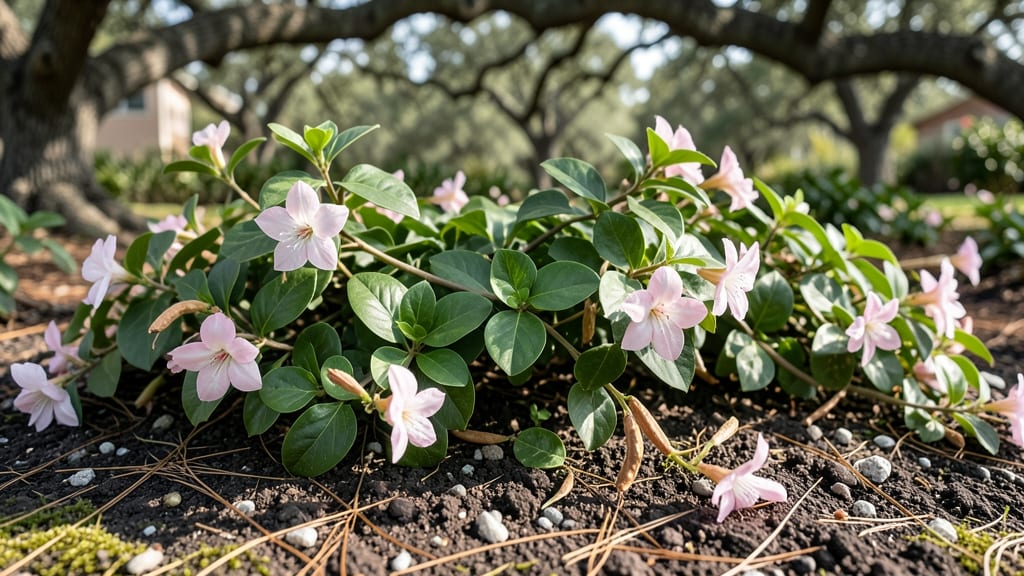
Harvesting Confederate jasmine seed pods before they twist open is the secret to saving seeds without waste. 🌿 These woody, pea-sized pods hold the future of your vine—if you act fast. The twist happens naturally, scattering seeds everywhere, so timing matters more than you’d think.
I’ve learned the hard way that patience (and a sharp eye) makes all the difference between a successful batch and a lost season.
You’ll need just a few tools: pruning shears, a small bucket, and a dry, shaded spot to work. The pods ripen in late summer, turning from green to brown—this is your cue to act.
Once they twist open, the seeds inside lose viability fast, so harvest them when they’re still firm but starting to darken. A simple twist of the pod releases the seeds, but speed is key to keeping them viable for planting.
Planting these seeds is straightforward: scatter them in well-draining soil, barely covering them, and keep the area moist but not soggy. Germination can take 4-6 weeks, so stay patient. Young seedlings need bright, indirect light at first, then gradually introduce them to full sun.
The payoff? A vine that’s hardier and more resilient than store-bought cuttings, with the same fragrant blooms you love.
This method beats cuttings for propagation because it’s zero-waste and produces multiple plants at once. Just watch for overwatering—these seeds rot easily—and avoid harvesting pods from vines treated with pesticides. Once you master it, you’ll never buy Confederate jasmine again. Ready to give it a try?
📚 In This Guide
- What you need
- Instructions
- Tips and common mistakes
- Wrapping up and next steps
What you need
- ● Mature Confederate jasmine seed pods – Look for fully dried, brown pods (typically late fall/winter). Quantity: 10–20 pods (adjust based on your seed-saving goals).
- ● Sharp pruning shears or scissors – Specs: Bypass-style blades (clean cuts = happy plants!).
- ● Paper towels or newspaper – For drying and cleaning seeds.
- ○ Small mesh bags or envelopes – Optional but handy: Labeled seed-saving envelopes (e.g., 4" x 5" kraft paper) to store seeds.
- ● Rubbing alcohol (70% isopropyl) – Why? Sanitizes tools and surfaces to prevent mold.
- ● Pencil or marker – For labeling (date, variety, etc.).
- ○ Gloves (optional) – Protects hands from thorns or rough pods (nitrile or leather works).
- ● Small bowl or tray – To collect seeds and debris during processing.
- ○ Magnifying glass (optional) – Helps spot tiny seeds or debris in pods.
- ● Twist-tie or rubber bands – Pro tip: Secure pods to stems if harvesting in windy conditions!
- ● Patience! Seed pods take 6–8 weeks to fully mature after flowering.
- ● A dry, well-ventilated workspace (humidity = enemy of seed viability).
- ● Basic knowledge of Confederate jasmine (Trachelospermum jasminoides) growth habits (e.g., where pods cluster).
Step-by-step instructions for harvesting Confederate jasmine seed pods
Here's how to collect seeds without damaging your plant or wasting a single pod.
🌿 Step 1: Identify and Wait for Mature Pods
Confederate jasmine seed pods turn from green to tan or light brown when fully mature—this usually happens in late fall or early winter after flowering. You'll know they're ready when they feel slightly papery and start to split open naturally along one seam. Avoid harvesting green pods; they won't contain viable seeds and will twist awkwardly when you try to remove them.
Gently shake the plant to release any pods already loosening from the branches. This helps you spot which pods are ready while avoiding unnecessary stress on the plant. If pods resist shaking, they're not quite mature enough—wait another 7-10 days before attempting harvest.
✂️ Step 2: Harvest Pods Without Twisting
Use clean, sharp pruning shears to snip pods at their base where they meet the stem. Cutting cleanly prevents the pod from twisting as you remove it, which can damage the seed inside. Hold the pod firmly with one hand while cutting to avoid any sudden tugging that might cause it to split prematurely.
Place harvested pods in a paper bag (not plastic) to allow airflow while keeping them contained. This prevents seeds from scattering if pods split open during transport. Label each bag with the harvest date—older pods may have lower viability after 6-8 months of storage.
🪴 Step 3: Extract Seeds and Prepare for Storage
Once pods are indoors, let them dry completely for 3-5 days in a cool, dry place (around 65-70°F). Spread them out on a clean surface to prevent mold. When fully dry, they'll open easily with gentle pressure—simply press the sides together and the seeds will fall out.
Remove any debris or empty seed casings by hand. Store seeds in a small envelope or airtight container with a silica gel packet to absorb moisture. Label with the harvest year and variety (if applicable). Viable seeds remain good for 2-3 years if stored properly.
💧 Step 4: Clean Up and Revitalize the Plant
After harvesting, inspect the plant for any remaining pods. If any are still green or partially attached, leave them—they won't ripen further once detached. Prune any dead or damaged stems with your shears to encourage new growth in spring.
Apply a light layer of compost around the base of the plant to replenish nutrients lost during seed production. Water deeply but avoid overwatering, as jasmine prefers well-draining soil and can suffer from root rot in soggy conditions. This step sets your plant up for a strong rebloom next season.
Tips & tricks for perfect Confederate jasmine seed pod harvesting
Avoid these common mistakes—and you'll save every seed without a single twist or waste.
Timing is Everything: The 7-10 day waiting period between pod maturity checks is crucial. I learned this the hard way after harvesting pods that were still slightly green—those seeds never germinated. Watch for that papery texture and natural seam split as your key indicators. If you're unsure, wait one more day rather than risking immature pods.
Tool Technique: Your pruning shears matter more than you'd think. Use ones with sharp, clean blades and cut at a 45-degree angle just above the stem's base. I've ruined perfectly good pods with dull shears that caused tearing. After each cut, wipe the blades clean to prevent sap buildup that can gum up the mechanism.
Storage Wisdom: That 65-70°F temperature range for drying pods isn't just arbitrary—it's the Goldilocks zone for seed viability. Too warm and you risk mold; too cool and the drying process slows dramatically. I place mine on a wire cooling rack over a baking sheet to catch any stray seeds while maintaining airflow. This method keeps everything organized and prevents cross-contamination between different harvests.
Seasonal Secret: Late fall and early winter are your prime harvesting windows, but don't overlook the subtle clues nature provides. The first frost often signals the perfect time—it helps ripen any remaining pods without damaging them. I've found that harvesting within 24 hours of a light frost gives me the highest germination rates.
Pro Tips for Confederate Jasmine Seed Pods
- Avoid these common mistakes—and you'll save every seed without a single twist or waste.
- Timing is Everything: The 7-10 day waiting period between pod maturity checks is crucial.
- Tool Technique: Your pruning shears matter more than you'd think.
Frequently asked questions
Got questions about harvesting and saving Confederate jasmine seed pods? You’re not alone! Here are some of the most common queries—plus straightforward answers to help you master twist-resistant seed saving like a pro.
When is the best time to harvest Confederate jasmine seed pods?
Harvest seed pods when they’re brown, dry, and slightly papery—usually in late fall or winter (November–January, depending on your climate). Avoid harvesting too early (green pods) or too late (pods may split open and scatter seeds). Look for pods that pop open easily when gently squeezed.
Why do Confederate jasmine seed pods twist when I try to remove them?
This plant’s pods are naturally twist-resistant to protect seeds! To avoid damage, snip pods at the stem with clean pruners (don’t pull). If pods twist mid-harvest, let them dry further on a tray before handling. Pro tip: Wear gloves to avoid skin irritation from the plant’s mild sap.
Can I save seeds from store-bought Confederate jasmine plants?
Yes, but only if the plant is disease-free and grown organically. Store-bought plants may have hybrid seeds that won’t grow true to type. For reliable seeds, grow from saved pods for 1–2 generations to stabilize traits. If the plant shows signs of pests/disease, discard the pods and start fresh.
How long do Confederate jasmine seed pods stay viable for storage?
Seeds remain viable for 2–3 years if stored properly in a cool, dry place (like a sealed envelope in the fridge). For longer storage, use a desiccant packet in an airtight container. Test viability by planting a few seeds—if germination drops below 50%, refresh your stock.
What’s the easiest way to clean and prepare Confederate jasmine seeds?
Once pods are dry, crush them gently to release seeds (avoid over-crushing—seeds are tiny!). Sift through a fine mesh screen to remove debris. Do not wash seeds—moisture speeds up spoilage. Store seeds in a paper envelope (breathable!) labeled with the harvest date.
Wrapping up and next steps
Harvesting Confederate jasmine seed pods with a twist-resistant approach isn’t just about saving seeds—it’s about embracing a zero-waste, sustainable gardening journey. 🌱 By following these simple steps, you’ll ensure healthy plants, thriving ecosystems, and a stash of seeds ready for next season. Ready to put your newfound knowledge into action?
Your next step? Grab those pruners, head outdoors, and start harvesting! Share your success with fellow gardeners or experiment with growing Confederate jasmine from your saved seeds. Every twist-resistant pod you collect is a win for your garden—and the planet. Happy harvesting! 🌿