
Fertilization
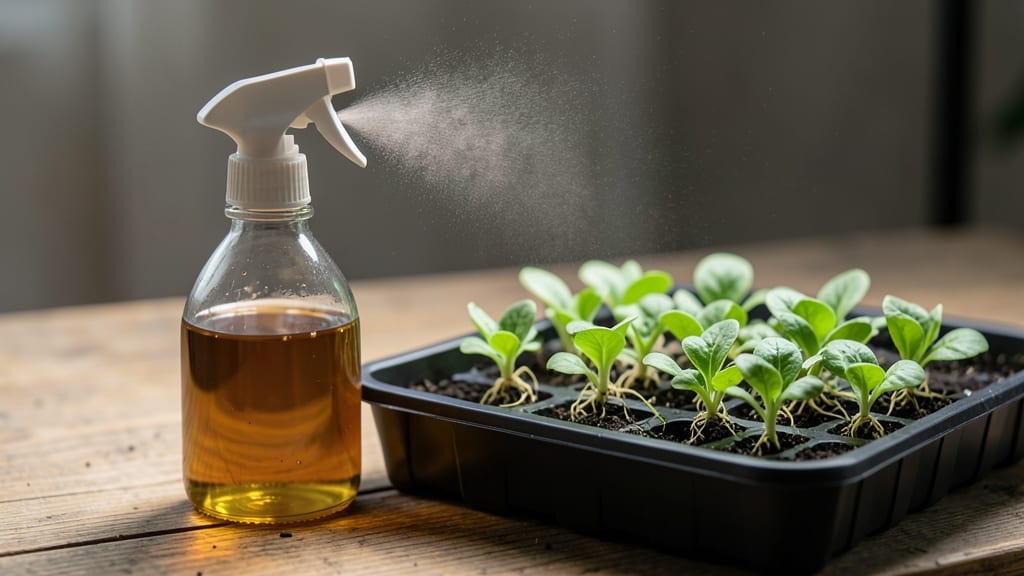
Compost tea for seedlings isn’t just a fancy gardening trick—it’s the secret weapon behind my 2-week-old seedlings that outpace their neighbors by days. 🌱 The liquid gold packed with microbes and nutrients gives them a growth spurt that makes store-bought transplants look slow.
I’ve used it for years, and the difference is night and day: stronger stems, deeper greens, and seedlings that actually want to grow.
The magic happens when you brew it right—whether you go for the fast, oxygen-rich aerobic version or the slower, deeper anaerobic brew. Both work, but timing matters: wait until those first true leaves appear (around the 2-4 leaf stage) before applying.
Too early, and you risk overwhelming tiny roots; too late, and you miss the critical growth window. I start with a 1:1 ratio of compost to water, but adjust based on how my seedlings respond.
What you’ll end up with are seedlings that stand tall on their own, not flop like sad little plants. They’ll resist damping-off disease better, absorb nutrients faster, and transplant with minimal shock.
The key is consistency—apply it every 7-10 days during the seedling stage, and you’ll see the difference in just a few weeks. Just watch for signs of overuse: slimy leaves or moldy soil means you’ve gone too strong.
Works for any seedling—veggies, flowers, or herbs—whether you’re growing in trays, solo cups, or even under grow lights. The best part? You’re not just feeding the plants; you’re building a stronger soil ecosystem for when they hit the garden. Ready to give it a try?
📚 In This Guide
- What you need
- Instructions
- Tips and common mistakes
- Wrapping up and next steps
What you need
- ● Compost – 1 gallon (must be well-aged, not fresh manure or kitchen scraps with meat/dairy).
- ● Water – 5 gallons of dechlorinated water (use filtered or let tap water sit out for 24 hours).
- ● Breathable container – A 5-gallon bucket with a lid (or a burlap sack for aerobic tea).
- ● Oxygen source – A small aquarium pump or a bubble stone (essential for aerobic tea).
- ● Stirring tool – A wooden or plastic spoon (avoid metal to prevent chemical reactions).
- ● Fine mesh strainer or cheesecloth – For filtering tea before use.
- ● pH test kit – To adjust tea to 6.5–7.5 (use lime or vinegar if needed).
- ● Seedlings – Healthy, young plants ready for a nutrient boost (aim for 2–4 weeks old).
- ● Molasses or humic acid – 1 tbsp per 5 gallons (boosts microbial activity).
- ● Beneficial microbes – A packet of mycorrhizal fungi or bacillus bacteria.
- ● Spray bottle – For foliar feeding (dilute tea 1:1 with water).
- ● Gloves – To protect hands from compost residue.
- ● Timer – To monitor brewing time (18–48 hours, depending on method).
How to make and apply compost tea for seedlings
Here's the fast, nutrient-packed method I use to give seedlings a growth explosion within days.
🌱 Step 1: Prepare the Compost Tea Base
Fill a 5-gallon bucket with 4 gallons of dechlorinated water (let tap water sit uncovered for 24 hours or use filtered water). Add 1 gallon of finished compost—the dark, crumbly kind that's broken down but not steaming. Stir vigorously to create a slurry that looks like rich, dark tea. This activates the beneficial microbes and nutrients that will feed your seedlings.
Cover the bucket loosely with a breathable cloth or paper towel to prevent debris from entering while allowing oxygen exchange. The tea needs 24-48 hours to steep at room temperature (65-75°F). You'll know it's ready when it smells earthy and slightly sweet—like a forest floor after rain. Avoid using fresh manure or unfinished compost, as it can burn tender seedlings.
💧 Step 2: Strain and Dilute for Safe Application
After steeping, strain the mixture through a fine mesh bag or cheesecloth into a clean container, pressing gently to extract all the liquid. The strained tea should be a deep amber color. Do not use undiluted compost tea—it's too strong and can harm seedlings. Mix 1 part strained tea with 3 parts water in a 5-gallon spray tank for a safe, nutrient-rich solution.
Add 1 tablespoon of unsulfured molasses per gallon of diluted tea to feed the microbial activity. Stir well and let it sit for 15-30 minutes before use. The molasses acts like a snack for the microbes, boosting their population and making the tea even more effective. You'll see tiny bubbles forming—this is a good sign of active microbial growth.
☀️ Step 3: Apply Tea to Seedlings at the Right Time
Use the diluted compost tea on seedlings when they show first true leaves (not the initial cotyledons). Water the soil deeply with the tea until it drips from the bottom of the container, ensuring roots absorb the nutrients. Apply in the early morning to allow foliage to dry before evening, reducing the risk of fungal issues. You'll notice seedlings perk up almost immediately—they'll stand taller and develop a deeper green color within 24-48 hours.
Repeat every 7-10 days during the seedling stage, alternating with plain water to prevent salt buildup. Avoid spraying foliage directly—focus on soaking the soil. If you see any signs of mold or slimy residue on the soil surface, flush the container with plain water and reduce future applications. The goal is to feed the roots, not smother the plants.
✂️ Step 4: Monitor and Adjust for Optimal Results
Watch for vigorous growth—strong stems, rapid leaf production, and a glossy appearance are all signs your seedlings are thriving. If growth slows after the first few applications, the tea may have lost potency. In this case, brew a fresh batch. Over time, you'll develop a feel for how your seedlings respond—some varieties like peppers and tomatoes love the boost, while others, like lettuce, may prefer a gentler approach.
Keep a small notebook nearby to track results. Note which seedlings respond best, how often they need the tea, and any changes in soil moisture or temperature. For example, cooler rooms may slow microbial activity, so you might need to extend the steeping time to 48 hours in winter. The key is consistency—seedlings that receive regular compost tea develop stronger root systems and are far less likely to suffer from transplant shock later on.
Tips & tricks for perfect compost tea application
Here's what nobody tells you about getting the most out of your compost tea—these little details make all the difference for your seedlings.
Microbe Activation: The 24-48 hour steeping time at 65-75°F is non-negotiable for proper microbial activation. If your kitchen runs cooler (below 65°F), move the bucket to a warmer spot like near a sunny window or even a slightly heated garage. You'll know it's ready when you smell that rich, earthy aroma—like a forest floor after spring rain. This is your cue that beneficial microbes are thriving and ready to work their magic.
Straining Technique: Don't rush the straining process in Step 2—press gently but firmly against the mesh bag to extract every last drop of nutrient-rich liquid. The deeper amber color means more concentrated nutrients. I've seen beginners skip this step and end up with a weak tea that won't deliver results. A fine mesh bag or cheesecloth works best—old nylon stockings in a pinch will do too, but they might let through some fine compost particles.
Dilution Ratio: The 1:3 dilution ratio (1 part tea to 3 parts water) is your safety net for seedling health. Undiluted compost tea contains concentrated salts and organic acids that can burn tender roots. For extra-sensitive seedlings like lettuce or herbs, consider a 1:4 dilution instead. Always mix in a clean container to avoid introducing contaminants that could harm your plants.
Application Timing: Those first true leaves are your signal to start—don't apply tea to seedlings before this stage. The initial cotyledons (seed leaves) aren't yet photosynthesizing efficiently, so they can't handle the nutrient boost. Morning application is crucial too—it gives any moisture on the leaves plenty of time to evaporate before evening, reducing fungal risks. I've seen seedlings develop powdery mildew when this simple timing rule was ignored.
Pro Tips for Compost Tea Seedlings
- Here's what nobody tells you about getting the most out of your compost tea—these little details make all the difference for your seedlings.
- Microbe Activation: The 24-48 hour steeping time at 65-75°F is non-negotiable for proper microbial activation.
- Straining Technique: Don't rush the straining process in Step 2—press gently but firmly against the mesh bag to extract every last drop of nutrient-rich liquid.
Frequently asked questions
What’s the best ratio of compost to water for making compost tea?
A general rule is 1 part compost to 5 parts water (e.g., 1 cup compost to 5 gallons water). For aerobic tea (richer in microbes), use active compost (fresh, crumbly, and slightly warm). For anaerobic tea (stronger but riskier), let it steep for 24–48 hours—but avoid this for seedlings due to potential ammonia buildup. Always strain before use!
How often should I feed seedlings with compost tea?
Start with every 2–3 weeks once seedlings have true leaves (about 2–3 weeks old). Overdoing it can burn tender roots—dilute tea 1:1 with water if seedlings look stressed. Switch to a weekly light application (10–20% strength) during rapid growth phases. Always water soil first to avoid foliar burn!
Can I reuse compost tea, or do I need to make a fresh batch?
Nope! Compost tea is single-use—microbes die quickly after brewing. If you have leftover tea, bury it in your garden to return nutrients to the soil. For consistency, brew small batches (1–2 gallons) and use within 24 hours. Pro tip: Label your tea with the date to track freshness!
My seedlings look wilted after compost tea—what went wrong?
Wilting often means over-fertilization or salt buildup. Flush the soil with plain water to dilute excess nutrients. If tea was too strong, reduce concentration next time (try 10% tea + 90% water). Check your compost too—old, moldy, or manure-heavy compost can harm seedlings. Always do a patch test on 1–2 plants first!
Are there alternatives to compost tea for seedlings?
Try these low-risk options:
- Fish emulsion (1–2 tsp/gallon): Packed with nitrogen for leafy growth.
- Seaweed extract (1 tbsp/gallon): Boosts immunity and root development.
- Worm castings tea: Gentle, microbial-rich, and perfect for delicate seedlings.
- Diluted liquid kelp (1 tsp/gallon): Adds trace minerals without overpowering.
Wrapping up and next steps
Compost tea for seedlings is a game-changer—packed with nutrients, beneficial microbes, and natural growth hormones that supercharge your young plants. Whether you’re a seasoned gardener or just starting, this eco-friendly boost can mean healthier roots, stronger stems, and faster growth without harsh chemicals. 🌱
Ready to give your seedlings the best start? Start small—try brewing a batch for your next planting session and observe the difference! For even better results, keep experimenting with ratios and plant types to find what works best for your garden. Happy growing! 🌿