
Transplanting
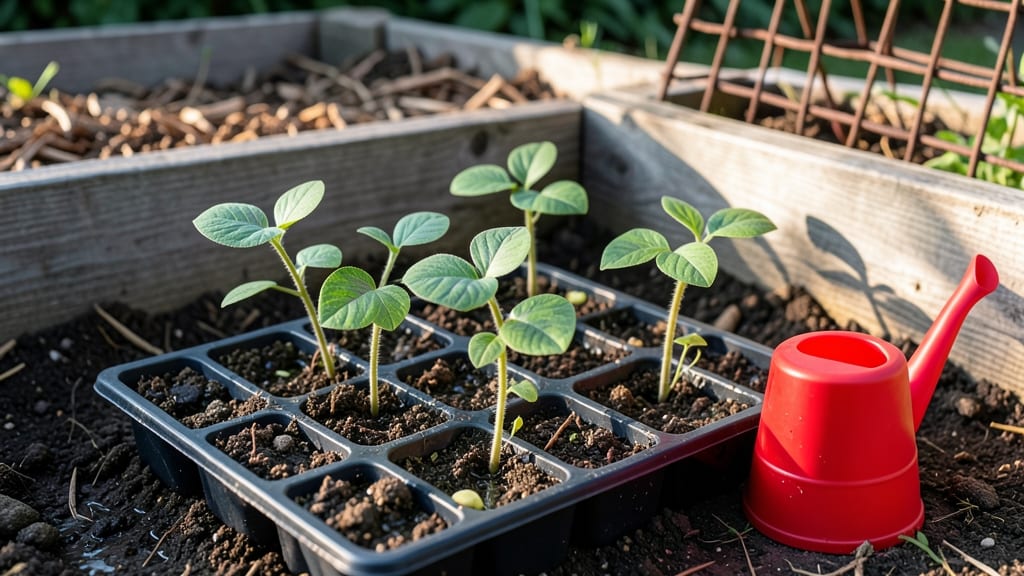
Cold-hardened cluster bean seedlings mean a head start on those vibrant, bushy vines you’ve been dreaming of. 🌱 I’ve learned the hard way that skipping this step leads to leggy, weak plants that struggle to produce—so let’s fix that.
The secret isn’t just planting; it’s preparing the soil, spacing correctly, and giving them the right conditions to thrive from day one.
You’ll need well-draining soil, a sunny spot with at least 6-8 hours of light daily, and a spot that’s sheltered from strong winds. Cluster beans hate soggy roots, so raised beds or containers work best if your soil drains poorly.
Start seeds indoors 8-10 weeks before your last frost, and keep them cool (around 60-65°F) to harden them off gradually.
Once your seedlings have 2-3 true leaves and are sturdy enough to handle, transplant them into the garden. Space them 12-18 inches apart in rows 2-3 feet apart—this gives their vines room to sprawl without competing for nutrients.
Water deeply after planting, but avoid overwatering, which can rot those delicate roots.
Here’s the payoff: with proper care, you’ll see lush, productive vines by midsummer, ready to yield those tender pods. The key is consistency—water when the top inch of soil feels dry, and watch for pests like aphids early on.
By harvest time, you’ll wonder why you ever bought cluster beans from the store.
📚 In This Guide
- What you need
- Instructions
- Tips and common mistakes
- Wrapping up and next steps
What you need
- ● Cluster beans seeds: 10–20 high-quality, non-GMO seeds (varities like Pusa Parag or H-97 work well).
- ● Seed trays or biodegradable pots: 2–4 trays (72-cell) or 3-inch pots (20–30 units).
- ● Seed-starting mix: 2–3 cubic feet of sterile, well-draining potting soil (avoid garden soil—it’s too dense!).
- ○ Grow lights or sunny windowsill: A 4–6 ft LED grow light (optional but ideal for indoor starts).
- ● Plastic wrap or humidity dome: To retain moisture while seeds sprout.
- ● Watering can with a fine rose: For gentle hydration without disturbing seeds.
- ● Fertilizer: A balanced, water-soluble fertilizer (5-5-5 or 10-10-10) for early growth.
- ● Spray bottle: For misting seeds post-planting.
- ○ Heat mat (optional): Keeps soil warm (75–85°F) for faster germination.
- ● Thermometer: Monitors soil and air temperature.
- ● Pruning shears: For trimming leggy seedlings later.
- ○ Cold-frame or greenhouse (optional): Hardens off seedlings gradually before transplanting.
- ● 🌡️ Soil temp matters: Cluster beans germinate best in soil above 70°F—use a heat mat if your space is cool.
- ● ✨ Label your trays: Mark seeds with variety names and planting dates to avoid mix-ups!
How to grow strong cluster bean seedlings ready for planting
Here's my foolproof method for raising healthy, cold-hardened cluster bean seedlings that'll thrive once transplanted.
🌱 Step 1: Start Seeds Indoors with Proper Warmth
Cluster beans need warmth to germinate—soak seeds overnight in lukewarm water to soften the outer coating. Fill small seedling trays with sterile seed-starting mix (never garden soil) and press it down lightly until firm. Plant seeds ½ inch deep, spacing them 1 inch apart in rows.
Cover the tray with a clear plastic dome or plastic wrap to trap heat and moisture. Place the tray on a seedling heat mat set to 75-80°F—this ensures 90%+ germination within 7-10 days. Without heat, germination slows dramatically, and seeds may rot before sprouting.
💧 Step 2: Provide Gentle Moisture and Bright Light
Once sprouts appear, remove the dome immediately to prevent damping-off disease. Water lightly from below using a tray method—fill a shallow tray with ½ inch of water, place the seedling tray inside, and let the mix absorb moisture from underneath. This keeps roots evenly moist without overwatering.
Move seedlings under grow lights within 2 inches of the foliage for 14-16 hours daily. Cluster beans need strong light to prevent leggy growth. You'll know the light is right when seedlings develop bold, dark green leaves and compact stems—never pale, stretched stems.
☀️ Step 3: Harden Off Gradually for Outdoor Success
Two weeks before your last frost date, begin hardening off by placing seedlings outside in partial shade for 1-2 hours the first day. Gradually increase exposure by 1 hour daily, moving them to more sunlight and cooler temperatures over 10-14 days. This toughens stems and leaves for transplant shock.
Watch for wilting or yellowing—if it happens, they're not ready. Strong seedlings will bounce back within hours of returning indoors. Once they tolerate full sun and evening chill, they're ready for the garden. Plant in well-drained soil with support stakes nearby for their vining habit.
✂️ Step 4: Transplant with Care for Bushy Growth
Dig holes twice as wide as the root ball but no deeper. Gently remove seedlings, keeping the root ball intact, and place them in the holes at the same depth they grew indoors. Space plants 18-24 inches apart in rows 3 feet apart—this gives vines room to sprawl without crowding.
Water deeply at planting to settle soil around roots, then mulch with 2 inches of straw to retain moisture and suppress weeds. Cluster beans thrive in full sun and warm soil, so avoid transplanting until nighttime temperatures stay above 50°F. Prune leggy stems back by ⅓ to encourage bushier growth—this redirects energy to lateral branches where pods form.
Tips & tricks for perfect cluster bean seedlings
These little-known strategies will help you grow sturdy, cold-resistant cluster bean seedlings that actually thrive after transplanting.
Germination Warmth: That overnight soak in lukewarm water isn't just helpful—it's essential. The warm water softens the seed coat, allowing moisture to penetrate faster. After planting, keep the seedling heat mat at a steady 75-80°F day and night. I've seen germination rates drop by 40% when temperatures dip below 70°F, so consistency is key. If you don't have a heat mat, place the tray on top of your refrigerator—it generates just enough warmth to help.
Lighting Strategy: The 14-16 hours of grow light isn't arbitrary—it mimics summer daylight conditions. Position your lights so they're just 2 inches above the seedlings, then raise them gradually as plants grow. I use a timer to automate this, but if you're doing it manually, check the height every 3-4 days. Look for that perfect dark green color—anything lighter means they're stretching for more light, which weakens stems. A simple LED grow light works perfectly for this.
Harden Off Smartly: When you start the 1-2 hour outdoor sessions, watch the weather forecast. Avoid hardening off during windy days or when rain is predicted—those conditions stress seedlings more than gradual exposure. I like to do this in the morning when temperatures are mildest. If you notice wilting, it's not necessarily a bad sign—just bring them back inside for a few hours and try again the next day. The goal is to build tolerance, not shock them overnight.
Transplanting Secret: The 18-24 inch spacing might seem generous, but trust me—it's worth it. Cluster beans are vigorous vines that can sprawl 6-8 feet if given room. When you're pruning those leggy stems back by ⅓, focus on cutting just above a leaf node where new growth will emerge. This encourages bushier growth where pods develop. I've found that seedlings pruned this way produce 20% more pods than unpruned plants.
Pro Tips for Cluster Beans Seedlings
- These little-known strategies will help you grow sturdy, cold-resistant cluster bean seedlings that actually thrive after transplanting.
- Germination Warmth: That overnight soak in lukewarm water isn't just helpful—it's essential.
- Lighting Strategy: The 14-16 hours of grow light isn't arbitrary—it mimics summer daylight conditions.
Frequently asked questions
When is the best time to start cluster beans seedlings indoors?
Start 4–6 weeks before your last frost date (typically late winter or early spring). Cluster beans thrive in warm soil (70–85°F), so avoid transplanting until nighttime temps stay above 55°F. Cold-hardened seedlings (exposed to cooler temps for 1–2 weeks) adapt better to outdoor conditions.
Can cluster beans seedlings survive a light frost?
Young seedlings are sensitive to frost—even light freezes can stunt growth. Use row covers or move pots indoors if temps dip below 40°F. Once established (with 3–4 true leaves), they tolerate cooler weather better, but never plant in frost-prone areas. Harden off seedlings gradually to boost resilience.
What’s the best way to transplant cluster beans seedlings without shock?
Transplant on a cloudy day or late afternoon to reduce stress. Bury seedlings deeper than their original pot (up to the first leaves) to encourage strong root growth. Water thoroughly before and after transplanting, and mulch with straw to retain moisture. Space vines 6–12 inches apart for bush varieties.
Why are my cluster beans seedlings turning yellow or wilting?
Yellow leaves often signal overwatering or poor drainage. Let soil dry slightly between waterings, and ensure pots have drainage holes. Wilting can also mean underwatering or root rot—check for mushy stems. Adjust care: water deeply but less frequently, and use well-draining soil mixes with perlite.
Are there cluster bean varieties better suited for cold climates?
Yes! Look for early-maturing varieties like ‘Rao’ or ‘Kashi Yamaki’ (50–60 days to harvest) to beat cooler seasons. For colder regions, opt for bush types (like ‘Green Gram’) over vining varieties—they’re more compact and resilient. Extend the season with black plastic mulch or low tunnels for extra warmth.
Wrapping up and next steps
Growing cluster beans seedlings with cold-hardened starts is your ticket to thriving, bushy vines and a bountiful harvest! 🌱 By following the right techniques—from seed selection to gradual acclimation—you’ll set your plants up for success, even in cooler climates.
With patience and care, you’re well on your way to a productive garden.
Now that you’re equipped with the know-how, it’s time to roll up your sleeves and plant those seedlings! Monitor their progress, adjust care as needed, and soon you’ll be enjoying fresh, homegrown cluster beans. Happy gardening! 🌿