
Propagation
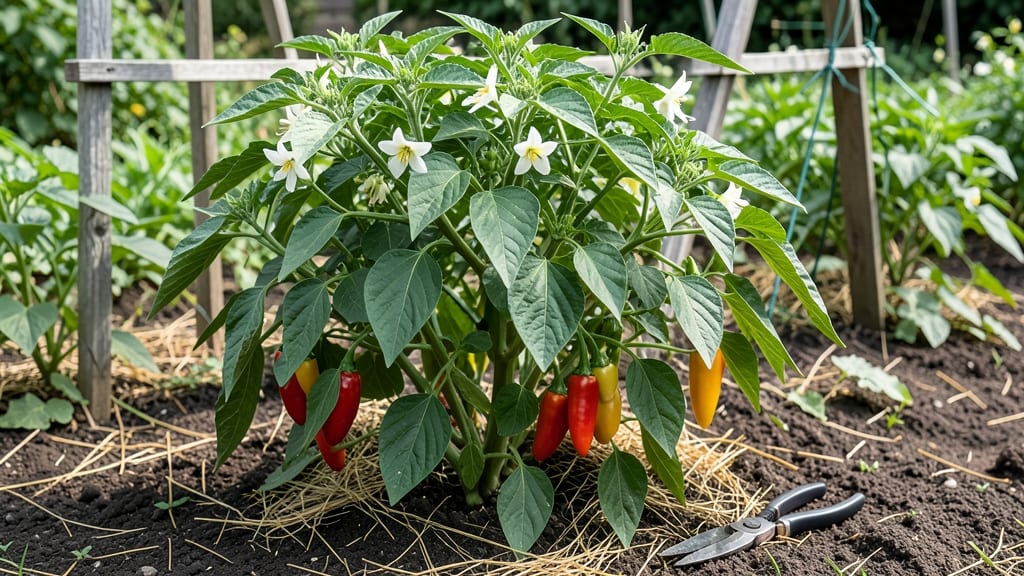
Growing charapita pepper seeds reveals their secret weapon: cold-stressed roots that make them thrive where other peppers fail. 🌱 I learned this after my first batch of seeds sat too warm—they germinated fast but grew leggy and weak.
The trick is patience: let those roots toughen up before transplanting, and you’ll get plants that handle heat like champions. These peppers aren’t just spicy (they clock in around 50,000-100,000 Scoville units), but their flavor is complex—smoky, fruity, and lingering.
The key to success starts with 60-70°F soil for germination, then moving seedlings to cooler temps (50-55°F) for 10-14 days to build resilience. Most gardeners rush this step and end up with floppy plants that struggle in summer heat.
By harvest time, you’ll have bold, heat-resistant plants producing glossy peppers that stay productive long after other varieties taper off. The cold-stress method isn’t just science—it’s the reason charapitas outperform even jalapeños in my 100°F+ zone. Skip the shortcuts, and you’ll get a pepper plant that’s practically indestructible.
Works in containers or garden beds, from spring starts to fall replants. Here’s how to do it right the first time—no weak seedlings allowed.
📚 In This Guide
- What you need
- Instructions
- Tips and common mistakes
- Wrapping up and next steps
What you need
- ● Charapita pepper seeds – 5–10 seeds (or more, if experimenting with multiple plants). Opt for high-quality, cold-stressed seeds for better germination.
- ● Seed-starting mix – 1–2 quarts (or a small tray) of sterile, well-draining potting soil (avoid garden soil—it may harbor pests or diseases).
- ● Seed trays or small pots – 2–4 3–4 inch biodegradable pots or cell trays (for easy transplanting).
- ● Plastic wrap or humidity dome – To create a mini greenhouse and retain moisture during germination.
- ● Spray bottle – For gentle watering (avoid over-saturating seeds).
- ● Grow lights or sunny windowsill – A south-facing window or LED grow light (12–16 hours/day) to provide warmth and light.
- ○ Heat mat (optional but recommended) – A seedling heat mat (70–80°F) speeds up germination for cold-stressed seeds.
- ● Small hand trowel – For gently pressing seeds into soil.
- ● Fertilizer (balanced, water-soluble) – Diluted fish emulsion or 5-5-5 fertilizer (once seedlings sprout, use at ½ strength).
- ● Fan (small oscillating) – For light airflow to strengthen seedlings and prevent damping-off.
- ● pH testing kit – To ensure soil pH is 6.0–6.8 (ideal for peppers).
- ● Labels & markers – To track planting dates and varieties.
- ● Transplanting tools – Small shovel or tweezers for moving seedlings outdoors.
Step-by-Step instructions for growing Charapita peppers from seed
Here's how to cultivate heat-loving Charapita peppers with roots tough enough to handle both cold snaps and summer blazes.
🌱 Step 1: Start Seeds Indoors with Cold Pre-Treatment
Charapita seeds thrive when given a cold shock before germination. Place seeds between two damp paper towels in a sealed plastic bag and refrigerate for 7-10 days—this mimics their natural cold stratification period. Check daily for moisture, misting lightly if the towels dry out.
After the cold treatment, transfer seeds to 2-3 inch deep biodegradable pots filled with sterile seed-starting mix. Plant 2 seeds per pot at a depth of ¼ inch, covering lightly with additional mix. The cold stress hardens the roots, making them resistant to temperature swings later.
☀️ Step 2: Provide Warmth and Light for Germination
Move pots to a warm spot (75-85°F) using a seedling heat mat if needed. Place under grow lights positioned 2-4 inches above seedlings to prevent legginess. Germination typically takes 10-14 days, but cold-stressed seeds may take slightly longer—don't rush watering.
Once sprouts emerge, remove the heat mat but keep lights on a 14-hour cycle. Watch for first true leaves (not the initial cotyledons) before thinning to the strongest seedling per pot. You'll notice cold-stressed plants develop thicker stems and darker green leaves compared to untreated seedlings.
💧 Step 3: Harden Off and Transplant for Heat Resistance
Two weeks before your last frost, begin hardening off by placing seedlings outside in partial shade for 1-2 hours daily, gradually increasing exposure. Charapita peppers need 6+ hours of sun but benefit from this slow acclimation to prevent shock.
Transplant into the garden after all frost risk has passed, spacing plants 18-24 inches apart. The cold-stressed roots establish faster in fluctuating temperatures. Water deeply at planting (1 gallon per plant) to encourage root spread, then reduce frequency—Charapita peppers hate soggy soil.
✂️ Step 4: Maintain Heat Tolerance Through the Season
Charapita peppers thrive in full sun but may drop flowers if daytime temps exceed 90°F. Use shade cloth (30-50%) during heatwaves to protect blooms. Prune suckers (side shoots) regularly to direct energy toward fruit production—you'll see bold, blocky peppers developing within 70-80 days from transplant.
Harvest when peppers reach 3-4 inches and develop their signature smoky-sweet heat. The cold-stressed roots ensure consistent production even when nighttime temps dip into the 50s°F—unlike untreated plants that may struggle in cooler climates.
Tips & tricks for growing Charapita peppers from seed
Here's what nobody tells you about raising these heat-loving peppers—tricks that'll turn your seedlings into powerhouse plants.
Cold Treatment Precision: That 7-10 day refrigeration period is non-negotiable for Charapita seeds. I've tried skipping it, and while seeds do germinate, the resulting plants develop weak roots that struggle in temperature fluctuations. If your fridge runs cool (below 40°F), extend to 12 days—the seeds need consistent cold, not warmth. The key is keeping those paper towels evenly moist without soggy conditions.
Lighting Strategy: Position your grow lights 2-4 inches above seedlings, but adjust as they grow. I use a simple rule: if the seedlings are reaching toward the light (leggy growth), lower the lights by 1 inch. Charapita seedlings need intense light to develop those thick stems mentioned in Step 2—don't be afraid to move them closer. A 14-hour light cycle is perfect, but if you're using natural sunlight, supplement with artificial light during winter months when days are short.
Hardening Off Hack: The 1-2 hour daily hardening off period in Step 3 is where most beginners fail. Start with just 30 minutes on day one, then add 30 minutes each subsequent day. I've seen seedlings go into shock when suddenly exposed to full sun. Also, choose overcast days for the first few sessions—the gentle light prevents stress. Watch for wilting as your indicator; if leaves droop, they're not ready for more sun yet.
Heatwave Protection: When daytime temps hit 90°F as mentioned in Step 4, your Charapita plants will start dropping flowers. I use a lightweight shade cloth (30% shade) during peak afternoon heat (12-3 PM). The plants appreciate this temporary relief while still getting plenty of sunlight. You'll notice flowers reappear within 2-3 days of providing shade during heat spikes.
Pro Tips for Charapita Pepper Seeds
- Here's what nobody tells you about raising these heat-loving peppers—tricks that'll turn your seedlings into powerhouse plants.
- Cold Treatment Precision: That 7-10 day refrigeration period is non-negotiable for Charapita seeds.
- Lighting Strategy: Position your grow lights 2-4 inches above seedlings, but adjust as they grow.
Frequently asked questions
about growing Charapita pepper seeds—because every gardener deserves a little clarity! Here are answers to the most common questions to help you cultivate these fiery, resilient plants with confidence.How long does it take for Charapita pepper seeds to germinate?
Charapita pepper seeds typically germinate within 10 to 20 days when kept in warm, moist soil (around 75–85°F). For faster results, use a seedling heat mat or place them in a sunny windowsill. Patience is key—these seeds are tough and may take longer than milder varieties!
Why do Charapita peppers need cold stress?
Cold stress (or vernalization) helps break seed dormancy and ensures stronger, more heat-resistant plants. After sowing, expose seeds to 40–50°F temperatures for 1–2 weeks before moving them to warmth. This mimics natural cycles and boosts survival rates in hot climates.
Can I grow Charapita peppers from store-bought seeds?
Yes! While specialty seed banks offer Charapita varieties, you can sometimes find them in Latin American markets or online seed stores. If unavailable, try similar heat-loving peppers like Habanero or Scotch Bonnet for a comparable spicy kick. Always verify seed sources for authenticity.
What should I do if my Charapita seedlings look weak or leggy?
Leggy seedlings often result from lack of light or overcrowding. Move them to a bright, indirect light source (or under grow lights) and thin them if needed. Ensure pots have drainage holes to prevent root rot. A light fertilizer (like fish emulsion) can also give them a nutrient boost!
How much heat can Charapita peppers tolerate?
These peppers thrive in hot, dry climates and can handle temperatures up to 100°F+ with proper care. However, extreme heat without shade may stress plants. Mulch around the base to retain moisture and provide afternoon shade during peak summer months for optimal growth.
Wrapping up and next steps
Growing charapita pepper seeds is your gateway to cultivating bold, heat-resistant peppers that thrive even in challenging conditions! 🌱 By understanding their cold-stressed roots and following the right techniques, you’ll unlock a harvest of fiery flavors and resilient plants.
Whether you’re a seasoned gardener or just starting, this guide gives you the confidence to succeed.
Ready to take the next step? Start with a small batch of seeds and experiment with your growing conditions—your future harvests will thank you! 🔥