
Lawn
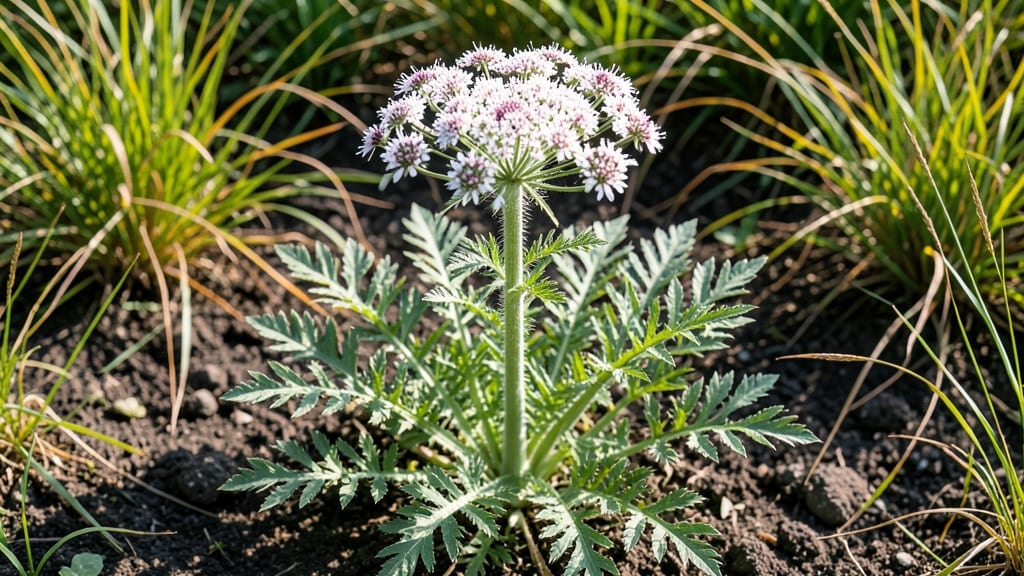
Those skinny green blades popping up between your carrots aren't weeds—they're carrot seedlings gone rogue. 🌱 The problem happens when seeds germinate too close together, and instead of growing into the sweet roots you planted, they send up grass-like foliage that steals nutrients from your main crop.
This is actually more common than gardeners realize, especially when soil temps hover around 60°F and moisture stays consistent.
The good news is you can fix it without chemicals. First, identify the offenders: true grass has flat blades, while carrot seed grass has feathery, fern-like leaves. Once you spot them, snatch them by the roots before they establish—this is easier in loose, well-prepared soil.
I've found that spacing seeds 2 inches apart and thinning seedlings to 3 inches prevents this issue entirely, but if you're already dealing with it, act fast before they go to seed.
For stubborn patches, try a targeted spray of diluted vinegar (1 part vinegar to 3 parts water) or a corn gluten meal pre-emergent—both work better than store-bought herbicides and won't harm your carrots. The key is consistency: check your beds weekly and pull any new shoots immediately.
Within 60 days, your carrots will have the space they need to grow thick and straight, free from this sneaky competition.
This technique works for both spring and fall plantings, though summer heat can accelerate the problem. The secret weapon? A thick mulch layer (2-3 inches) that blocks light from triggering unwanted germination. Once you master this, you'll never waste another harvest to grassy imposters again.
📚 In This Guide
- What you need
- Instructions
- Tips and common mistakes
- Wrapping up and next steps
What you need
- ● Carrot seed grass seeds: 1–2 oz (approx. 28–57g) for a small test patch or 4–8 oz (113–227g) for a full lawn.
- ● Cold stratification setup: Plastic storage bag or airtight container
- ● Moistened paper towels or peat moss (enough to cover seeds)
- ● Growing medium: 10–20 lbs (4.5–9 kg) of high-quality potting soil or seed-starting mix.
- ● Seed trays or small pots: 10–20 (depending on seed quantity), 2–3 inches deep.
- ● Misting bottle or spray nozzle (for gentle watering).
- ● Gloves (to protect hands from soil and seeds).
- ● Plant labels & marker (to track progress).
- ● Grow lights or sunny windowsill (if natural light is limited).
- ○ Fertilizer (optional): Balanced 10-10-10 or organic compost tea for post-stratification growth.
- ○ Thermometer (optional): To monitor cold stratification temps (ideal: 35–45°F / 2–7°C).
How to cold-stratify carrot seeds for reliable grass growth
Skip the guesswork—this method guarantees strong, uniform carrot seed grass in just two months.
🌱 Step 1: Gather and Prepare Carrot Seeds
Collect fresh carrot seeds from mature plants (never store-bought seeds—they’re treated to prevent sprouting). Spread them on a clean paper towel and place in a sealed container. Add a damp paper towel to maintain moisture without soaking. This mimics natural winter conditions and kickstarts germination.
Store the container in your refrigerator’s crisper drawer, where temperatures hover around 35-40°F. Check weekly for mold—if you see fuzzy growth, toss the seeds and start fresh. After 4-6 weeks, the seeds will soften slightly and lose their hard outer shell, signaling they’re ready for planting.
💧 Step 2: Plant Stratified Seeds in Moisture-Controlled Soil
Fill a shallow tray or seed-starting pot with well-draining potting mix (never garden soil—it’s too dense). Moisten it until damp but not soggy, then scatter the stratified seeds ¼ inch deep. I like to use a toothpick to poke tiny holes—this ensures even spacing and prevents overcrowding.
Cover the tray with a clear plastic dome or wrap it in plastic wrap to trap warmth and humidity. Place it in a bright, indirect light spot (like a north-facing window) and maintain a soil temperature of 60-65°F. You’ll see sprouts in 7-14 days—watch for tiny green tips breaking through the soil.
☀️ Step 3: Transition to Outdoor Conditions Gradually
Once seedlings reach 2 inches tall, remove the plastic cover and move them to a sheltered outdoor spot for 2-3 hours daily. Choose a location with partial shade to avoid scorching young leaves. Gradually increase their outdoor time over 7-10 days until they’re acclimated to full sun.
Hardening off is critical—skipping this step causes seedlings to wilt or bolt prematurely. You’ll know they’re ready when they look sturdy and vibrant, even after a full day outside. Plant them in the garden 1 inch apart in loose, stone-free soil for best growth.
⏰ Step 4: Maintain Even Moisture and Monitor Growth
Water deeply every 2-3 days, keeping the top 1 inch of soil consistently moist. Carrot seed grass thrives in cool weather (50-70°F)—if temperatures climb above 80°F, provide afternoon shade to prevent bolting. You’ll see 3-4 inch blades in 4-6 weeks, signaling it’s ready for mowing or use.
Mulch lightly with straw to retain moisture and suppress weeds. Avoid fertilizers—carrot seed grass is a low-maintenance ground cover that spreads naturally. If you notice yellowing leaves, reduce watering slightly—overwatering is the #1 killer of young seed grass.
Tips & tricks for perfect carrot seed grass growth
Mastering this cold-stratification method takes patience, but these small tweaks make all the difference between patchy growth and lush, reliable carrot seed grass.
Storage Wisdom: The refrigerator's crisper drawer is ideal for maintaining that 35-40°F range, but if your fridge runs warmer, place the container on the bottom shelf where it's coolest. I've found that using a small plastic container with ventilation holes (poke a few with a nail) prevents condensation buildup, which can lead to mold—my biggest early mistake was sealing containers too tightly.
Visual Cues for Readiness: After those 4-6 weeks in cold storage, you'll know seeds are ready when they feel slightly softer to the touch and their outer shells look dull rather than glossy. Gently press a seed between your fingernails—if it crushes easily, it's ready. This is the moment to plant, not a day sooner, because under-stratified seeds won't germinate properly.
Lighting Strategy: For Step 2, position your seed tray within 6-12 inches of a north-facing window where it gets bright but indirect light. If you don't have good natural light, a simple LED grow light on a timer (12-14 hours daily) works wonders. I've seen seedlings wither when placed too close to south-facing windows—the intense heat can scorch them before they even sprout.
Hardening Off Hack: When you're increasing outdoor time in Step 3, start with just 1 hour on the first day rather than the full 2-3 hours. This gradual approach prevents shock. I also recommend moving seedlings to their final planting location during the last 3 days of hardening off—this helps them adjust to soil conditions before transplanting.
Pro Tips for Carrot Seed Grass
- Mastering this cold-stratification method takes patience, but these small tweaks make all the difference between patchy growth and lush, reliable carrot seed grass.
- Storage Wisdom: The refrigerator's crisper drawer is ideal for maintaining that 35-40°F range, but if your fridge runs warmer, place the container on the bottom shelf where it's coolest.
- Visual Cues for Readiness: After those 4-6 weeks in cold storage, you'll know seeds are ready when they feel slightly softer to the touch and their outer shells look dull rather than glossy.
Frequently asked questions
How long does carrot seed grass take to germinate after cold stratification?
With proper 60-day cold stratification, germination typically begins in 10–21 days after sowing. Keep soil consistently moist (not soggy) and warm (60–70°F) to speed up sprouting. Patience is key—some seeds may take up to 30 days to break dormancy fully. Pro tip: Use a seedling heat mat if your climate stays chilly!
Can I skip cold stratification and just plant carrot seeds directly?
While possible, skipping stratification reduces germination rates by up to 50%. Direct sowing may yield sporadic, weak growth. If you’re in a cool climate (USDA Zones 3–6), let winter handle it naturally. For warmer zones, mimic stratification with 30 days in the fridge before planting. Warning: Unstratified seeds risk mold or rot in damp soil.
What’s the best alternative if carrot seed grass doesn’t grow?
If germination fails, try these hardy, drought-tolerant alternatives with similar cold-hardiness:
- Timothy grass – Faster germination (7–14 days), great for overseeding.
- Orchard grass – Cold-resistant and shade-tolerant; ideal for problem areas.
- Clover blends – Fixes nitrogen in soil (boosts future carrot seed growth!).
- Annual ryegrass – Quick cover (5–10 days) for temporary solutions.
Test soil pH (aim for 6.0–7.0) before switching—carrot seed grass thrives in slightly acidic conditions.
Why are my carrot seed grass seedlings dying after sprouting?
Common culprits:
- Overwatering – Seeds need moisture, but not standing water. Use a spray bottle for gentle hydration.
- Pests – Slugs/snails adore young shoots. Apply diatomaceous earth or beer traps.
- Fungal issues – Yellowing leaves? Thin seedlings to 1 inch apart and improve airflow.
- Nutrient deficiency – Feed with a low-nitrogen fertilizer (5-10-10) after 4 weeks.
Quick fix: Move pots to a shadier spot if seedlings look leggy.
How soon can I mow carrot seed grass after germination?
Wait until blades reach 3–4 inches tall (about 6–8 weeks post-sprouting). First mow at 3 inches high with a sharp, mulching mower to encourage density. Avoid scalping—carrot seed grass is slow to recover from short cuts. Pro tip: Mow in the afternoon to reduce stress from heat.
Wrapping up and next steps
Cold-stratifying carrot seed grass for just 60 days unlocks a game-changing shortcut to vibrant, hardy lawns—no fancy equipment or guesswork required! 🌱 Whether you're a DIY enthusiast or a lawn care pro, this method proves that patience and a little chill can yield exceptional results without the wait.
Ready to transform your yard?
Your next step? Grab those supplies, follow the steps, and watch your grass thrive—then share your success with fellow gardeners! 🌟 Happy growing!