
Lawn
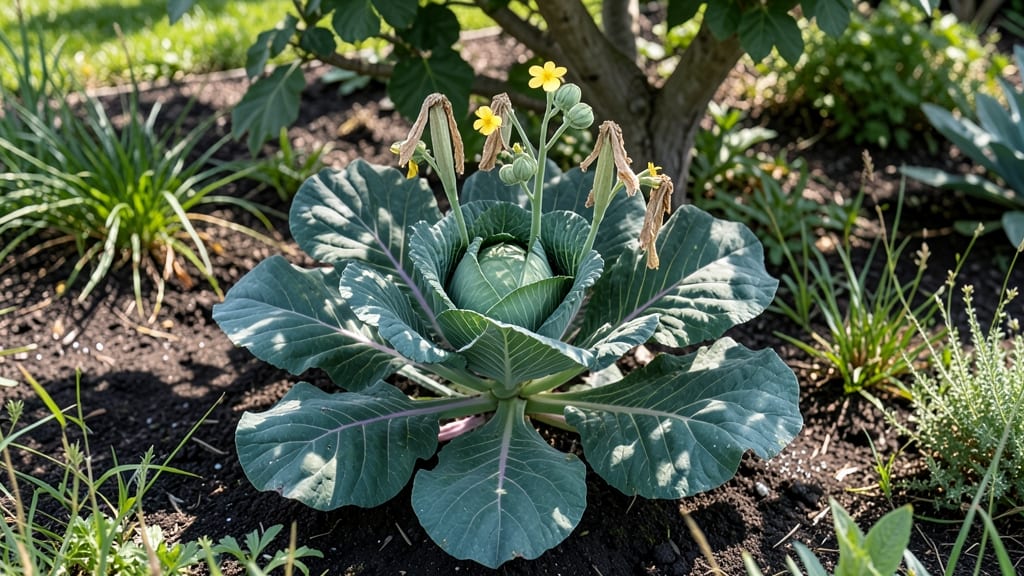
Saving cabbage seed pods turns your garden into a self-sustaining treasure chest. 🌱 Those little brown pods hiding among the leaves hold the key to next year's homegrown cabbage—if you know when and how to harvest them.
I've saved seeds from my own garden for three years now, and the process is simpler than most gardeners think, once you understand the timing and handling.
The first step is spotting those mature pods—look for the ones that've turned completely brown and start splitting open on their own. These are your keepers, while green or still-firm pods need more time.
You'll want to work quickly once they start splitting, because fresh seeds lose viability faster than dried ones. A single healthy cabbage plant can produce enough seeds for dozens of new plants, making this a cost-effective way to keep your favorite varieties growing.
Once harvested, proper drying and storage ensures those seeds stay viable for years. Spread them out on a tray in a cool, dry place for about two weeks, giving them time to fully dry before transferring to airtight containers.
When stored correctly, cabbage seeds can last 3-5 years—though they'll germinate best if used within a year or two. The payoff? Fresh, homegrown cabbage that tastes better than anything you can buy, with the added satisfaction of knowing you grew it from seeds you saved yourself.
This method works for most cabbage varieties, though hybrid cabbages (like many store-bought types) won't produce true-to-type seeds. For reliable results, stick with heirloom or open-pollinated varieties. The process is equally effective for related brassicas like kale and collards, making it a versatile skill for any home gardener.
Ready to turn your cabbage harvest into next year's planting material?
📚 In This Guide
- What you need
- Instructions
- Tips and common mistakes
- Wrapping up and next steps
What you need
- ● Mature cabbage plants (preferably Brassica oleracea varieties like Savoy or Napa cabbage for seed production).
- ● Pruning shears or sharp scissors (sterilized to prevent disease spread).
- ● Brown paper bags or breathable mesh bags (1–2 per plant, 12"–18" in diameter).
- ● Labeling tags and a marker (to track varieties and harvest dates).
- ● Drying rack or screen (elevated and well-ventilated, like a wooden frame or mesh shelf).
- ● Small paper envelopes or airtight containers (for long-term seed storage, 3–5 per variety).
- ○ Desiccant packets (optional but recommended for humidity control during storage).
- ● Glove (to protect hands from prickly pods or sap).
- ● Fine-mesh sieve (for separating seeds from chaff post-drying).
- ● Hygrometer (to monitor humidity levels, ideal range: 30–40%).
- ● Vacuum sealer (for extended seed viability beyond 1–2 years).
- ● Notebook or app (to log seed characteristics, germination tests, and storage conditions).
How to harvest cabbage seed pods for year-round storage
Here's the simple method I've used for years to collect and store cabbage seeds that stay viable for planting.
🌱 Step 1: Select and Identify Mature Cabbage Plants
Choose healthy cabbage plants that have fully matured—look for heads that feel heavy for their size and have tightly wrapped leaves. The outer leaves should turn yellowish-brown, signaling the plant is ready for seed production. I always pick plants that show no signs of disease or pest damage, as these can affect seed quality.
Let the chosen heads stay on the plant after harvesting the main crop. This allows the plant to bolt (send up a flowering stalk) naturally. You'll see tall, sturdy stems with yellow flowers within 4-6 weeks. These flowers will eventually turn into seed pods, which is what we're after.
☀️ Step 2: Allow Flowers to Mature into Seed Pods
Once the flowers appear, let them fully mature into seed pods. This process takes about 6-8 weeks in ideal conditions. The pods will start as small, green structures and gradually turn brown and dry. You'll know they're ready when they rattle when shaken—this means the seeds inside are mature and dry.
I keep the plants in a sunny spot with full sun exposure during this time. If your summer is particularly hot, provide some afternoon shade to prevent the pods from drying out too quickly. Water moderately—just enough to keep the soil moist but not soggy. Overwatering can cause the pods to split open before they're ready.
✂️ Step 3: Harvest and Dry the Seed Pods
When the seed pods are fully brown and dry, cut the entire flowering stalk from the plant. I like to do this on a dry, sunny day when the pods are at their driest. Place the stalk in a paper bag and hang it upside down in a dry, well-ventilated area. This allows the pods to fully dry out and prevents moisture buildup, which can cause mold.
Leave the pods to dry for about 1-2 weeks. You'll know they're ready when they're completely dry and brittle. Gently crush a few pods to check—if the seeds inside are dark and firm, they're ready for storage. If they're still soft or green, give them a few more days to dry.
🪴 Step 4: Extract and Store the Seeds
Once the pods are fully dry, use your fingers or a small hammer to gently break them open. Remove any debris or chaff and place the seeds in a clean, dry container. I like to use small paper envelopes or airtight glass jars for storage. Label each container with the cabbage variety and the date of harvest.
Store the seeds in a cool, dark place with low humidity. Cabbage seeds can stay viable for 3-4 years if stored properly. Check the seeds occasionally to ensure they remain dry and free from pests. If you notice any signs of moisture or mold, transfer the seeds to a new container immediately.
⏰ Step 5: Test Seed Viability Before Planting
Before using your stored seeds, do a quick viability test. Place a handful of seeds between two damp paper towels and seal them in a plastic bag. Keep the bag in a warm spot for 5-7 days. If most of the seeds sprout, they're ready to plant. If fewer than half sprout, you may need to collect more seeds or use a different batch.
This test ensures you're using the best seeds for your garden. I always do this test before the planting season to avoid any surprises. Once you confirm viability, you're ready to start growing your cabbage plants using these home-harvested seeds.
Tips & tricks for perfect cabbage seed pod harvesting
These little-known tricks will help you maximize your seed yield while keeping your cabbage pods viable for years.
Plant Selection Matters: Don't just grab any cabbage plant—look for ones with thick, firm stems and no signs of yellowing or wilting. I've found that plants with slightly larger heads (around 6-8 inches in diameter) produce more robust seed pods. Also, avoid plants that bolted prematurely—they'll yield fewer seeds. The 4-6 week waiting period after harvest is crucial; this is when the plant's energy shifts from producing heads to creating seeds.
Environmental Control: While full sun exposure is essential, don't let your pods bake in extreme heat. I've learned that afternoon shade becomes critical when temperatures exceed 90°F (32°C). A simple shade cloth or even moving plants to a slightly shadier spot can prevent premature drying. The goal is to balance drying with maintaining seed viability—too fast and seeds won't develop properly, too slow and you risk mold.
Drying Strategy: The 1-2 week drying period is where most people go wrong. I recommend hanging your pods in a location with good airflow but no direct drafts—think of it like a natural seed dehydrator. A small fan on low setting can help circulate air without creating turbulence. Watch for condensation on the paper bag—if you see this, your drying area is too humid. The pods should feel light as a feather when fully dry, almost like they're hollow inside.
Storage Wisdom: For long-term viability, I store my seeds in glass jars with silica gel packets. The low humidity environment (below 30%) is key—cabbage seeds can lose viability rapidly in damp conditions. I also add a small piece of parchment paper with the variety name and harvest date inside each jar. This prevents moisture buildup from condensation when you open the jar later. The 3-4 year viability claim holds true only if you maintain these conditions consistently.
Pro Tips for Cabbage Seed Pods
- These little-known tricks will help you maximize your seed yield while keeping your cabbage pods viable for years.
- Plant Selection Matters: Don't just grab any cabbage plant—look for ones with thick, firm stems and no signs of yellowing or wilting.
- Environmental Control: While full sun exposure is essential, don't let your pods bake in extreme heat.
Frequently asked questions
Got questions about harvesting and storing cabbage seed pods?
You’re not alone! Here are answers to the most common concerns—so you can turn your garden into a year-round seed supply with confidence.
When is the best time to harvest cabbage seed pods?
Harvest seed pods when they turn tan or brown and the outer leaves begin to yellow—usually 60–90 days after flowering. Avoid harvesting in wet weather to prevent mold. If pods split open, collect seeds immediately to avoid scattering.
How long can cabbage seed pods stay viable for storage?
Properly dried and stored in a cool, dark, and dry place (like a sealed jar or envelope), cabbage seeds stay viable for 2–4 years. Test germination annually by planting a few seeds—if fewer than 50% sprout, replace your stock.
What if my cabbage seed pods won’t open naturally?
If pods stay closed, gently crush them with a mortar and pestle or roll them on a hard surface to release seeds. Avoid moisture—wet pods can rot. For stubborn pods, let them dry further (up to 2 weeks) before trying again.
Can I use cabbage seed pods from store-bought cabbage?
No—store-bought cabbage is hybridized for flavor and shelf life, not seed production. For viable pods, grow open-pollinated varieties like ‘Golden Acre’ or ‘Early Jersey Wakefield’ from heirloom seeds.
How should I store cabbage seeds to prevent mold?
After harvesting, dry seeds completely (3–5 days) in a warm, well-ventilated area. Store in paper envelopes or airtight containers with a desiccant packet (like silica gel) to absorb moisture. Label with the variety and date!
What if my cabbage plants don’t produce seed pods?
Check for cross-pollination (cabbage needs bees!) or bolting (sudden flowering due to heat/stress). If plants are young or stressed, they may not flower. Try fertilizing lightly with phosphorus (bone meal) to encourage blooms.
Wrapping up and next steps
Harvesting cabbage seed pods is a rewarding way to extend your gardening season and ensure a fresh supply of seeds for future crops. With the right tools, timing, and storage techniques, you can enjoy viable, year-round seeds while minimizing stress.
Whether you're a seasoned gardener or just starting out, these tips will help you master the process and keep your garden thriving.
Now that you’re equipped with the knowledge, why not take the next step? Try harvesting a small batch of seed pods this season and experiment with different storage methods. Share your success—or even challenges—with fellow gardeners, and watch your green thumb grow even stronger! 🌱✨