
Lawn
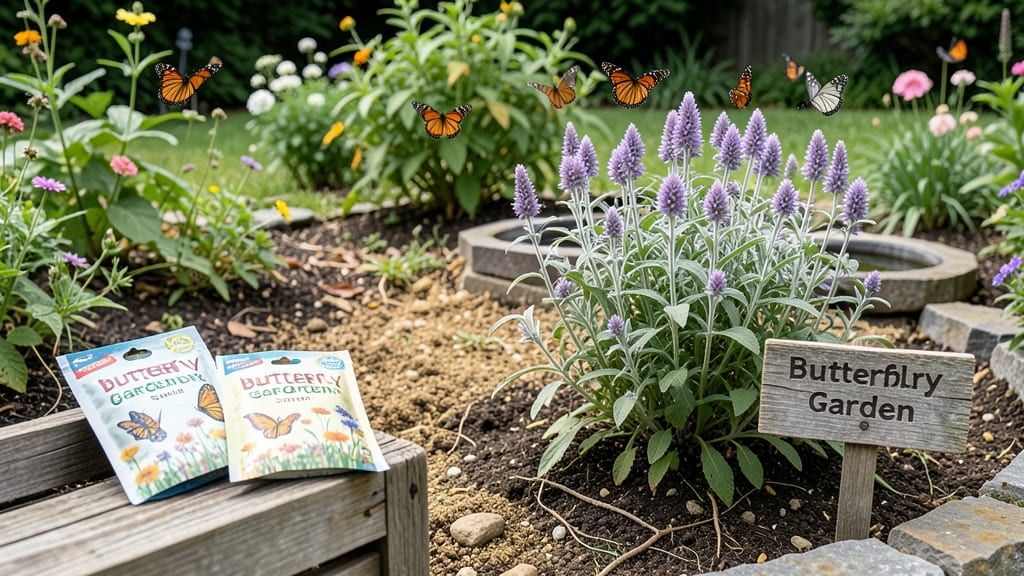
A butterfly garden seed mix transforms your yard into a fluttering paradise. 🌸 I’ve watched monarchs, swallowtails, and fritillaries turn my once-ordinary patch into a living tapestry of wings—all from a single packet of native wildflowers and host plants.
The magic starts with the right mix: milkweed for caterpillars, coneflowers for nectar, and asters for late-season blooms.
Designing one is simpler than you’d think. Sunlight is key—most pollinators thrive in full sun—but even partial shade works with shade-tolerant additions like bee balm. Loosen the soil, scatter seeds lightly (they’re tiny!), and press them in.
Within weeks, you’ll see the first blooms, and by summer, the butterflies will arrive in waves.
The payoff isn’t just pretty—it’s purposeful. A well-planned mix supports pollinators year-round, from early spring blooms to frost-kissed asters. Plus, the colors—purples, yellows, and whites—create a vibrant display that outshines any store-bought ornament. Even better? Once established, these gardens need minimal care.
Perfect for small spaces or sprawling backyards, this mix adapts to any sunny corner. Start with a 10x10-foot plot, then expand as your confidence grows. The best part? Every seed you plant is a step toward saving these delicate, disappearing visitors. Let’s get those wings fluttering in your yard!
📚 In This Guide
- What you need
- Instructions
- Tips and common mistakes
- Wrapping up and next steps
What you need
- ● Butterfly Garden Seed Mix: 1–2 lbs (or 1–2 packets) of a high-quality, native wildflower blend designed for butterflies (e.g., milkweed, coneflower, or butterfly bush seeds).
- ● Garden Soil: Well-draining, loamy soil (amend with compost if your soil is heavy or clay-like).
- ● Sunlight Spot: A sunny area with at least 6–8 hours of direct sunlight daily.
- ● Watering Can or Hose: For gentle, consistent watering.
- ○ Gloves & Hand Trowel: To protect hands and dig small holes (optional but helpful!).
- ● Mulch or Straw: 1–2 inches to retain moisture and suppress weeds.
- ● Fertilizer: Slow-release, organic fertilizer (follow package instructions).
- ● Pebbles or Rocks: For decorative borders or drainage in containers.
- ● Butterfly Puddling Station: A shallow dish with wet sand or mud (butterflies love it!).
How to create a thriving butterfly garden from seed
Transform your outdoor space into a vibrant haven for pollinators with this simple, science-backed approach.
🌱 Step 1: Select the Perfect Planting Location
Choose a sunny spot that receives at least 6 hours of direct sunlight daily—butterflies need warmth to thrive. I prefer south-facing areas where morning sun warms the soil and afternoon light remains strong. Avoid windy locations; butterflies prefer sheltered spaces where they can feed and rest without battling gusts.
Check your site for existing vegetation. Native plants provide the best nectar sources, but even non-native flowers will attract butterflies if they offer ample blooms. The ideal location balances sun exposure with some nearby shade for afternoon relief. Test your spot by observing how sunlight moves across it throughout the day—this ensures your garden stays inviting year-round.
💧 Step 2: Prepare the Soil for Pollinator-Friendly Growth
Loosen the top 6 inches of soil with a garden fork or tiller to create a crumbly texture that encourages root growth. Butterflies favor healthy plants, and well-aerated soil helps them establish quickly. Mix in 2-3 inches of compost to enrich the soil naturally—this boosts nutrient availability without harsh chemicals that repel pollinators.
If your soil drains poorly, add a layer of sand or perlite to improve water flow. Butterflies and their caterpillars are sensitive to soggy conditions, so well-draining soil prevents root rot and keeps plants thriving. I like to work the amendments into the soil while it's slightly moist—this makes the process easier and ensures even distribution.
☀️ Step 3: Plant Your Butterfly Garden Seed Mix
Scatter the seeds evenly across your prepared area, spacing them 12-18 inches apart for optimal growth. Lightly press each seed into the soil with your finger—just enough to ensure good contact without burying them too deep. Most butterfly garden seeds need ¼ to ½ inch of soil coverage for proper germination.
Water gently but thoroughly after planting to settle the seeds into place. Use a fine spray nozzle to avoid displacing them, and keep the soil consistently moist until you see first true leaves emerge. I set a reminder to check moisture daily—overwatering can drown seeds, while underwatering slows germination. Aim for soil that feels like a damp sponge when squeezed.
🌿 Step 4: Maintain Your Pollinator Haven
Once seedlings reach 2-3 inches tall, thin them to maintain proper spacing—this prevents overcrowding and ensures each plant gets enough sunlight and nutrients. Remove weaker seedlings at the base with clean shears, leaving the strongest stems. Mulch around plants with 2 inches of organic material like shredded leaves or straw to retain moisture and suppress weeds.
Water deeply 2-3 times per week, focusing on the base of plants rather than overhead spraying. Butterflies are drawn to hydrated foliage, and consistent moisture encourages lush blooms. Avoid pesticides entirely—even natural sprays can harm butterflies and their larvae. Instead, handpick pests or use a strong stream of water to deter them naturally.
⏰ Step 5: Encourage Year-Round Visitors
Plant a mix of early, mid, and late-season bloomers to provide continuous nectar from spring through fall. Include native milkweed for monarchs, coneflowers for swallowtails, and asters for migrating butterflies. I like to add a small water source—a shallow dish with pebbles and fresh water—to give thirsty visitors a place to rest and drink.
Monitor your garden weekly for new butterfly activity. You’ll notice an increase in diversity as different species arrive for their favorite flowers. Deadhead spent blooms regularly to encourage more flowers and extend the season. With consistent care, your butterfly garden will become a bustling hub of color and life, proving that even small spaces can make a big difference for pollinators.
Tips & tricks for creating a thriving butterfly garden
Creating a pollinator-friendly garden takes just a few strategic tweaks that make all the difference for your winged visitors.
Sunlight Strategy: While the instructions recommend at least 6 hours of sunlight daily, I've found that morning sun (6-10am) paired with afternoon shade (after 2pm) creates the perfect balance. This prevents heat stress on plants while still providing the warmth butterflies need to feed. Test your spot by observing how sunlight shifts throughout the day—this helps you position delicate species like fritillary hosts that prefer cooler conditions.
Soil Science: The 2-3 inches of compost recommendation is perfect, but here's what nobody tells you: mix in a handful of crushed eggshells when amending your soil. The calcium helps strengthen plant cell walls, making them more resistant to pests and diseases—something butterflies and their caterpillars will appreciate. Work these into the soil while it's slightly moist for even distribution, just like the instructions suggest.
Planting Precision: When spacing your seeds 12-18 inches apart, consider creating clusters of 3-5 plants together rather than uniform rows. Butterflies navigate by visual landmarks, and these groupings mimic natural plant communities that attract more diverse species. The ¼ to ½ inch soil coverage is ideal, but for larger seeds like milkweed, you can press them slightly deeper (up to ½ inch) to prevent wind from displacing them.
Watering Wisdom: The 2-3 times per week watering schedule works beautifully, but here's my pro move: water in the early morning (before 9am) rather than evening. This gives plants time to absorb moisture before the heat of the day, and it prevents fungal issues that can deter butterflies. A shallow dish with pebbles and fresh water (as mentioned in Step 5) should be placed in partial shade to prevent algae growth—this keeps it safe for all pollinators.
Pro Tips for Butterfly Garden Seed Mix
- Creating a pollinator-friendly garden takes just a few strategic tweaks that make all the difference for your winged visitors.
- Sunlight Strategy: While the instructions recommend at least 6 hours of sunlight daily, I've found that morning sun (6-10am) paired with afternoon shade (after 2pm) creates the perfect balance.
- Soil Science: The 2-3 inches of compost recommendation is perfect, but here's what nobody tells you: mix in a handful of crushed eggshells when amending your soil.
Frequently asked questions
What’s the best time of year to plant a butterfly garden seed mix?
The ideal time depends on your climate! In most regions, plant in early spring (after the last frost) or late summer (6-8 weeks before the first frost). This gives seeds time to germinate and establish roots before harsh weather. For warmer zones, fall planting can also work—just ensure soil temps stay above 60°F (15°C).
How long does it take for butterfly garden seeds to grow and attract butterflies?
Germination varies by seed type, but most butterfly-friendly flowers (like milkweed, coneflowers, or black-eyed Susans) sprout in 7–21 days with proper moisture. However, butterflies may take 4–8 weeks to notice your garden once blooms appear. Plant nectar-rich flowers first—they’ll draw pollinators faster than host plants (like milkweed for monarchs).
Do I need to water my butterfly garden seed mix daily?
Not quite! Water seeds lightly but consistently (about ¼ inch per week) until they sprout. After germination, aim for 1 inch of water per week, focusing on the soil—not the leaves. Mulch around plants to retain moisture. Overwatering can drown seeds, while underwatering stresses young plants. Pro tip: Water in the morning to reduce evaporation and fungal risks.
What if pests or weeds take over before my butterfly garden grows?
Don’t worry—it’s normal! Hand-pull weeds early, and use organic mulch (like straw) to suppress them. For pests, introduce beneficial insects (like ladybugs) or spray neem oil. Avoid chemical pesticides—they harm butterflies too! If slugs or snails munch on seedlings, set up beer traps or copper barriers. Pro tip: Plant densely to crowd out weeds naturally.
Can I use a butterfly garden seed mix in containers or small spaces?
Many butterfly-friendly flowers thrive in containers, window boxes, or raised beds. Choose compact varieties like butterfly weed, lantana, or pentas. Use well-draining soil and ensure pots are at least 6–12 inches deep. Place containers in sunny spots (6+ hours of light daily) and water regularly. Bonus: Vertical gardens (like trellises with passionflower) work great for small yards!
What if my butterfly garden doesn’t attract butterflies right away?
Patience is key! Butterflies need time to discover your garden. To speed things up:
- Plant a variety of nectar sources (e.g., zinnias, bee balm).
- Include host plants (like parsley for swallowtails).
- Avoid pesticides—even "butterfly-safe" ones can deter them.
- Create a water source (shallow dish with rocks).
Wrapping up and next steps
Creating a butterfly garden seed mix is more than just a gardening project—it’s a way to nurture beauty, support pollinators, and connect with nature. Whether you’re a seasoned gardener or just starting, every small patch of vibrant blooms makes a difference for butterflies and bees. 🌸
Now that you’re ready to plant, take the next step: watch your garden transform into a fluttering paradise. Share your progress with fellow gardeners or even local conservation groups—your efforts inspire others to join the movement! Happy planting! 🌿